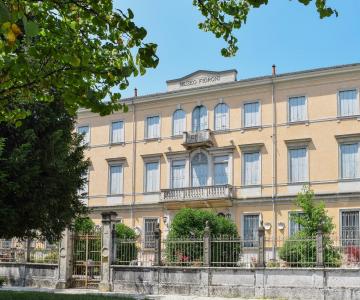
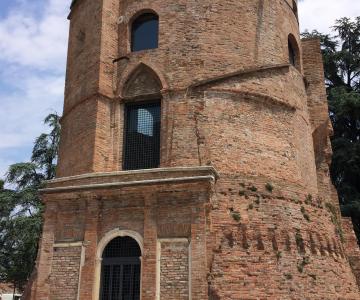
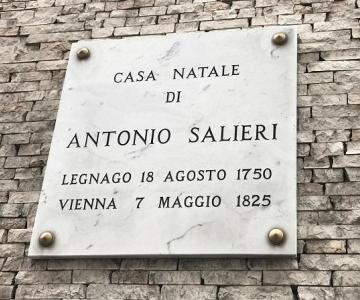
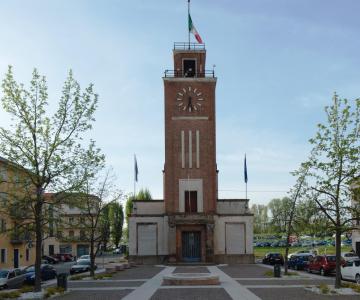
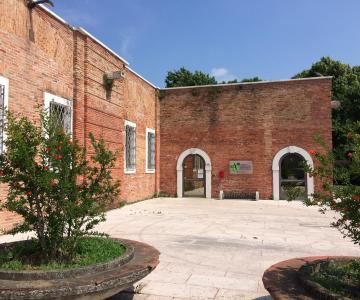
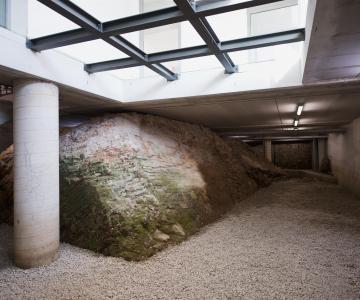
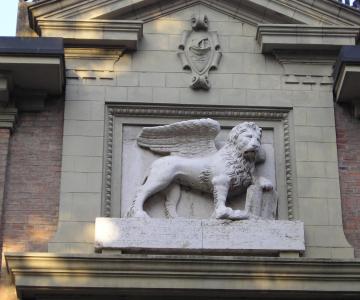
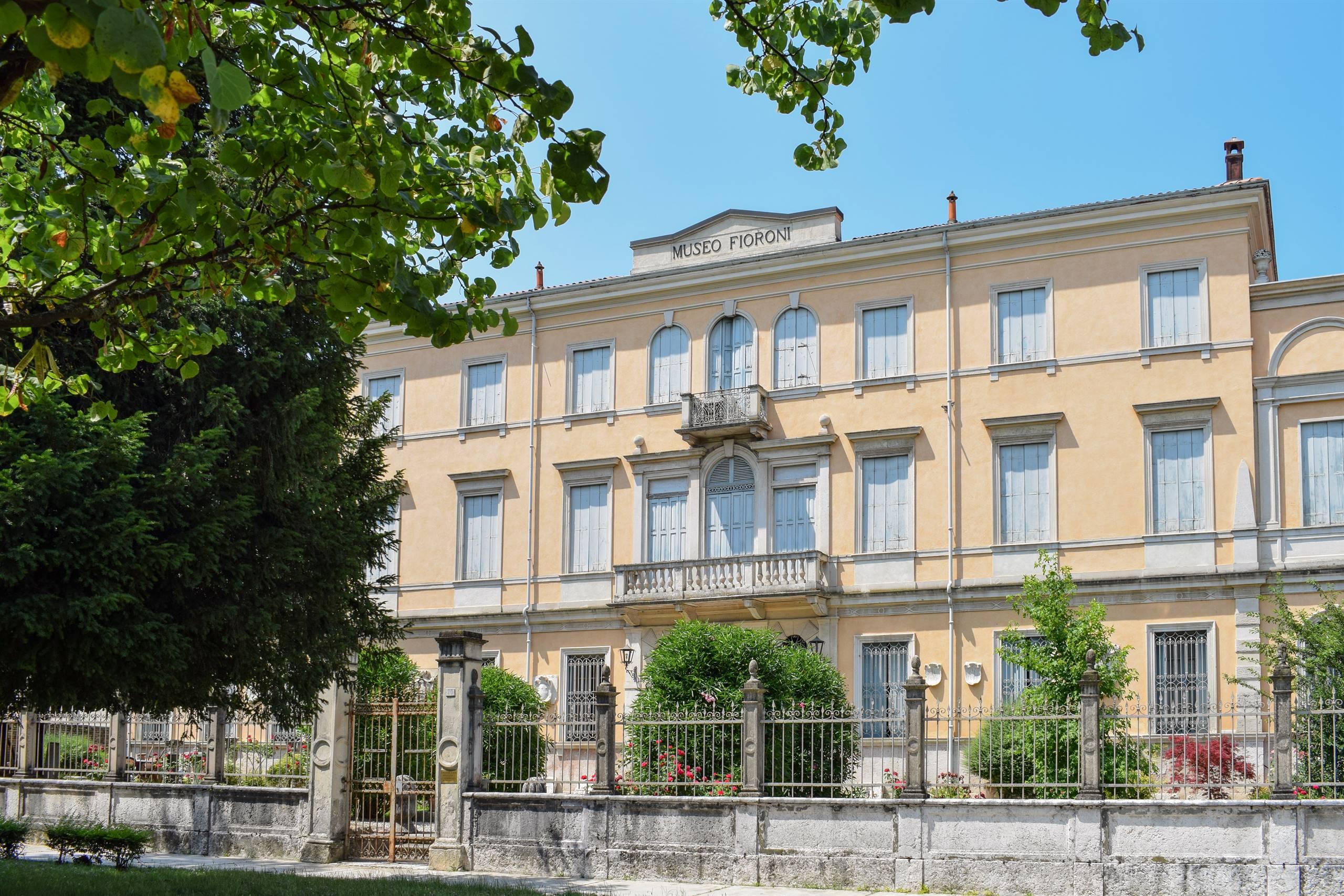
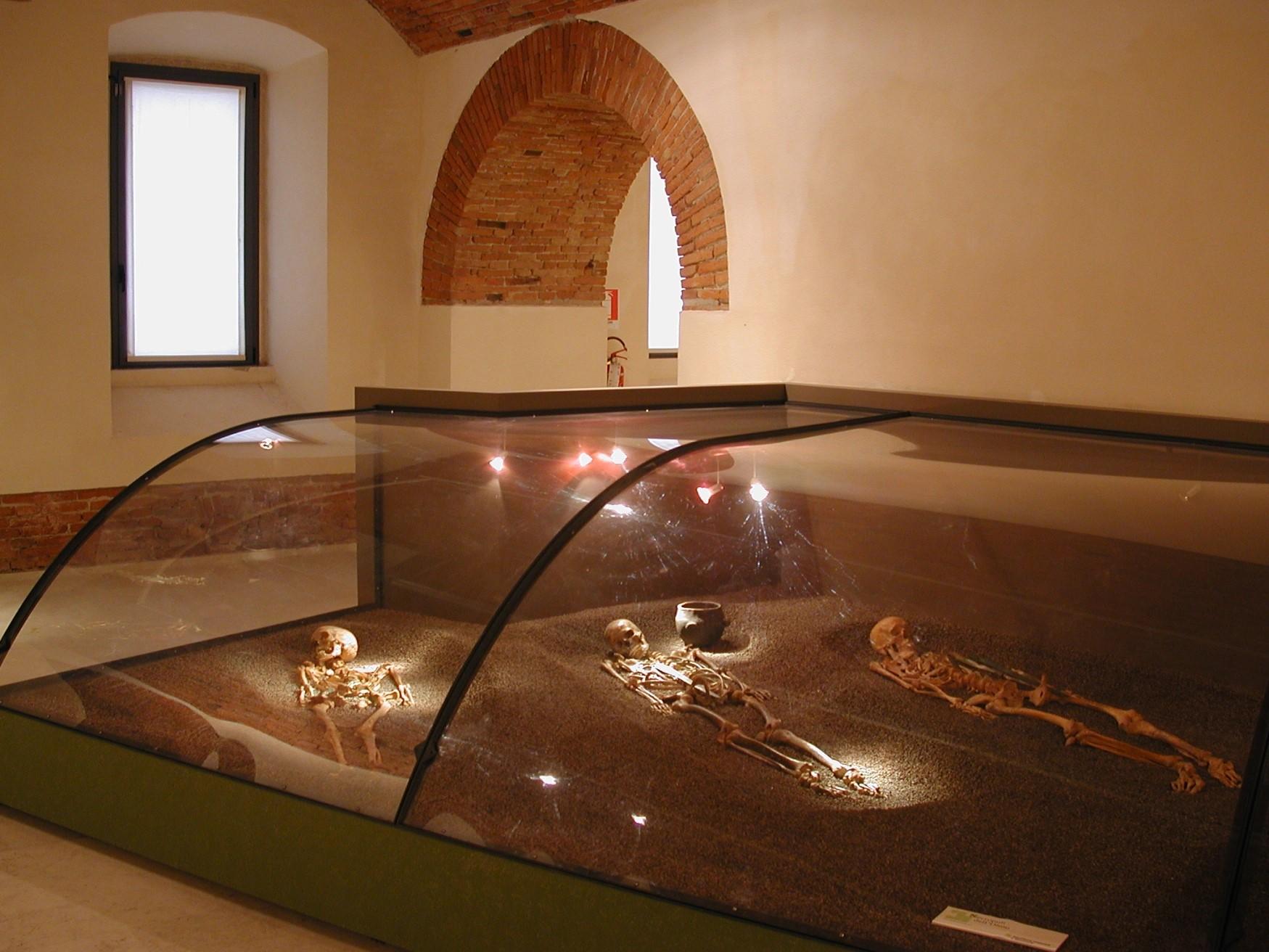
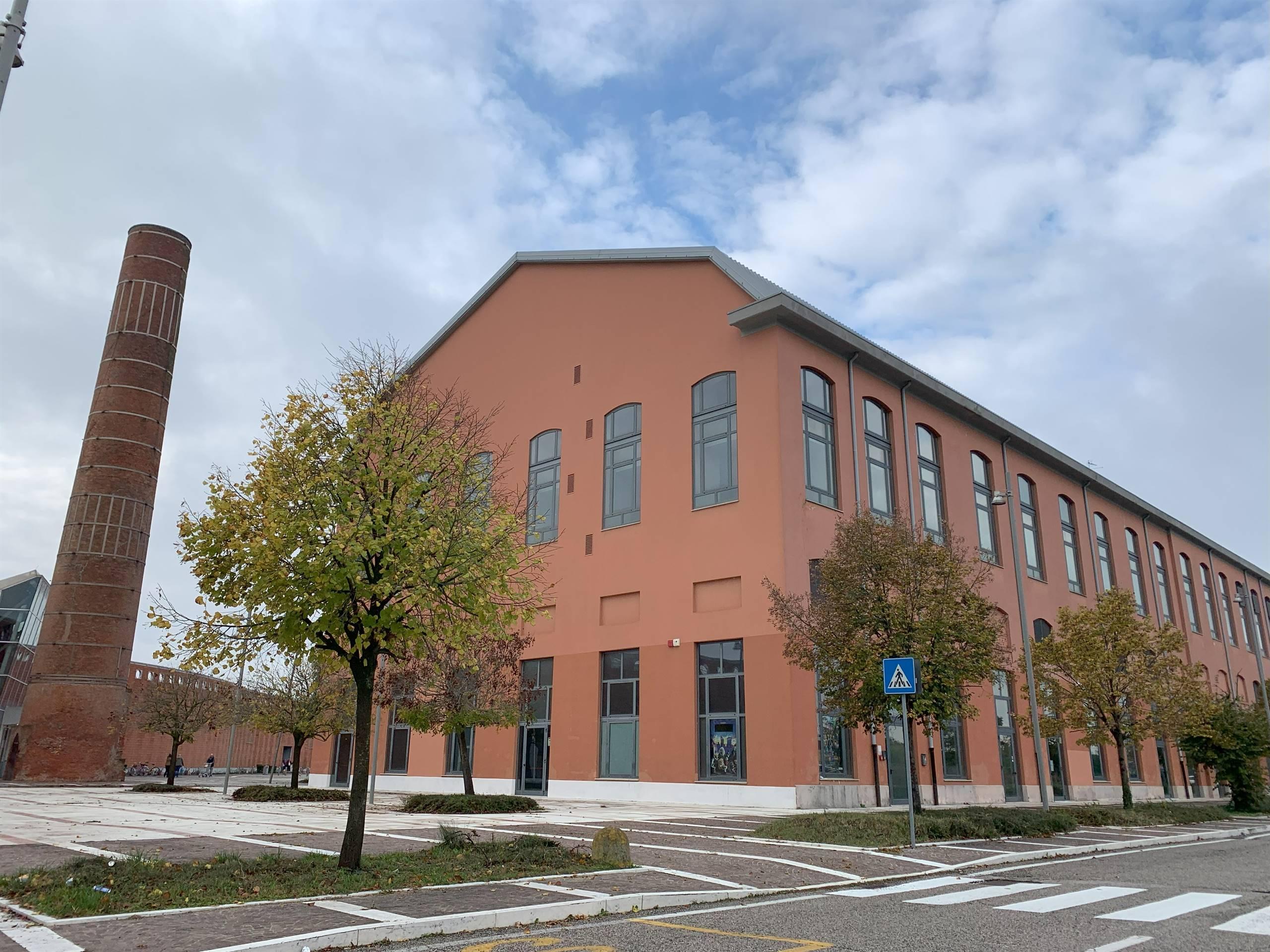
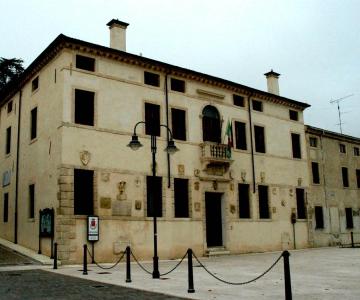
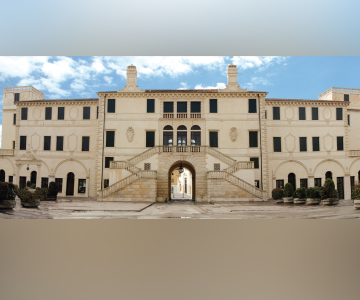
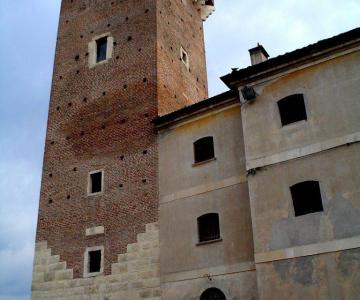
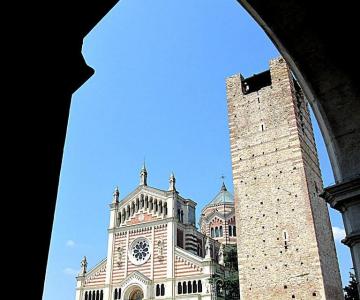
Anyone who visited Legnago today could hardly believe that the town was once walled. In fact, the only trace of the old Medieval castle is represented by the old Tower; there is almost no trace left of the centuries-long military and defensive history of the fortress. Nevertheless, in addition to being Antonio Salieri’s birthplace, Legnago is usually remembered for being part of the Quadrilatero between 1848 and 1866, the famous defensive Austrian system of the Lombardo-Veneto region: the fortresses of Verona, Peschiera del Garda and Mantua were established on the other corners. Moreover, few people know that the imposing fortifications of Legnago, exploited first by Napoleon and then by the Austrians, dated back to the time of Venetian rule indeed. Because of the war between the Republic of Venice and the Cambrai League (1509-1516), Legnago and its castle, core of violent clashes, were completely destroyed. Being the town considered a place of vital strategic importance, the Venetian Senate decided to re-establish the defensive walls immediately after the war. The project was assigned to the famous architect Michele Sanmicheli, who designed a new hexagonal plan fortress, provided with thick walls and ramparts, surrounded by a deep moat and wide clearings. The works started in 1525 and lasted about seventy years, not without difficulties and slowdowns, and an imposing construction was eventually built (4200 metres in circumference and 3,5 metres in height), intended to deeply change the urban landscape over the following three centuries. During the French occupation (1796-1814) and the Austrian occupation (1814-1866), the fortress of Legnago was restored and strengthened several times, although the old Venetian fortification wasn’t deeply changed. On the contrary, several new buildings related to warfare (barracks, warehouses, hospitals) were built within the walls during the nineteenth century. For instance, a French cavalry barracks was turned into a military Austrian hospital, where the prestigious Environmental Archaeological Complex has its premises nowadays. After the Unification of Italy, to be precise from 1887 onwards, with no more defensive needs and due also to the terrible floods of the river Adige of 1868 and 1882, the walls were completely demolished in order to build new neighbourhoods. Nowadays there are only few visible remains of those old walls along Via Leopardi and in the archaeological area of Petternella former wineries. Near Piazza Garibaldi a series of explanatory panels show the place where Mantua Gate once stood. Moreover, five winged white marble lions have survived: they were the symbol of the Republic of Venice and they adorned the fortress gates and some parts of the walls. One of these lions is displayed in the Fioroni Foundation, where you can also visit the beautiful Risorgimental Museum which preserves valuable and unique relics related to the local Risorgimento history.
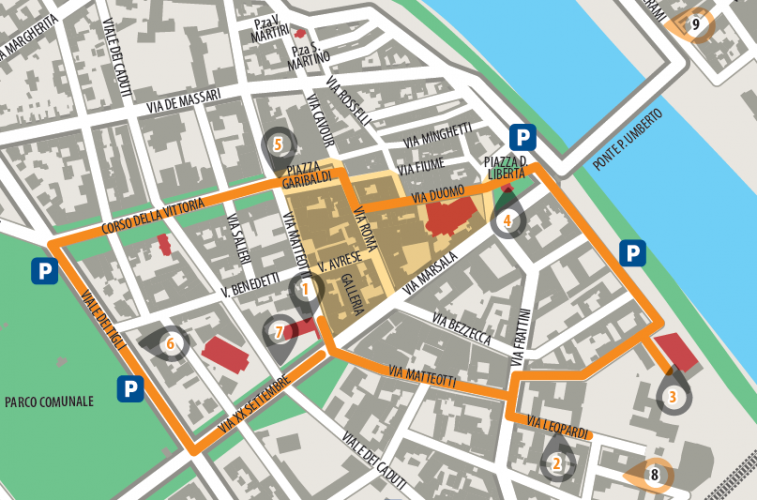
Legnago fortress of the Quadrilateral
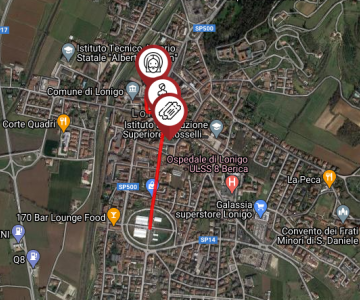
Via Giacomo Matteotti, 39 , Legnago - 37045
- Contacts
- tel. (0039) 0442 20052
- mobile (0039) 3478695087
- email museo@fondazione-fioroni.it
- fax (0039) 0442 603490
- web http://www.fondazione-fioroni.it
- Links
- Download
- Booklet di Legnago - pdf 6.94MB
TAKE ME HERE: Via Giacomo Matteotti, 39