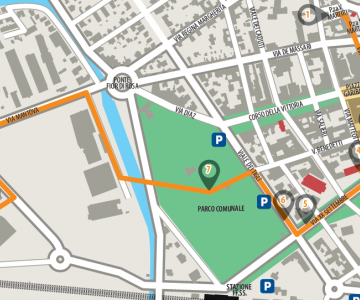
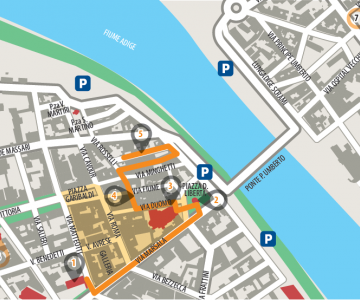
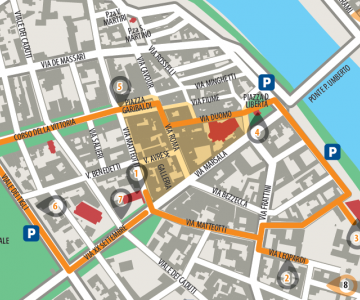
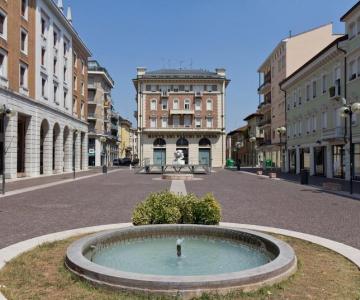
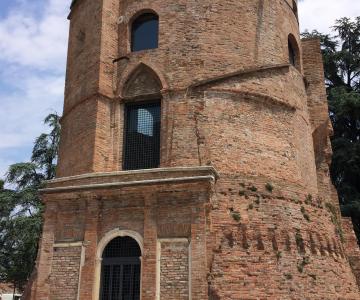
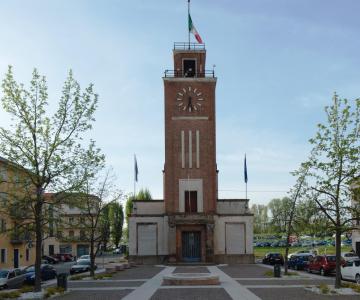
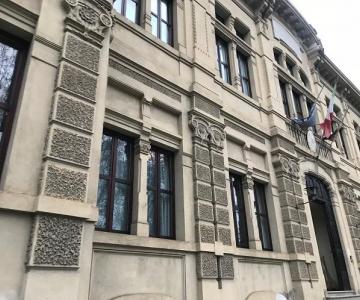
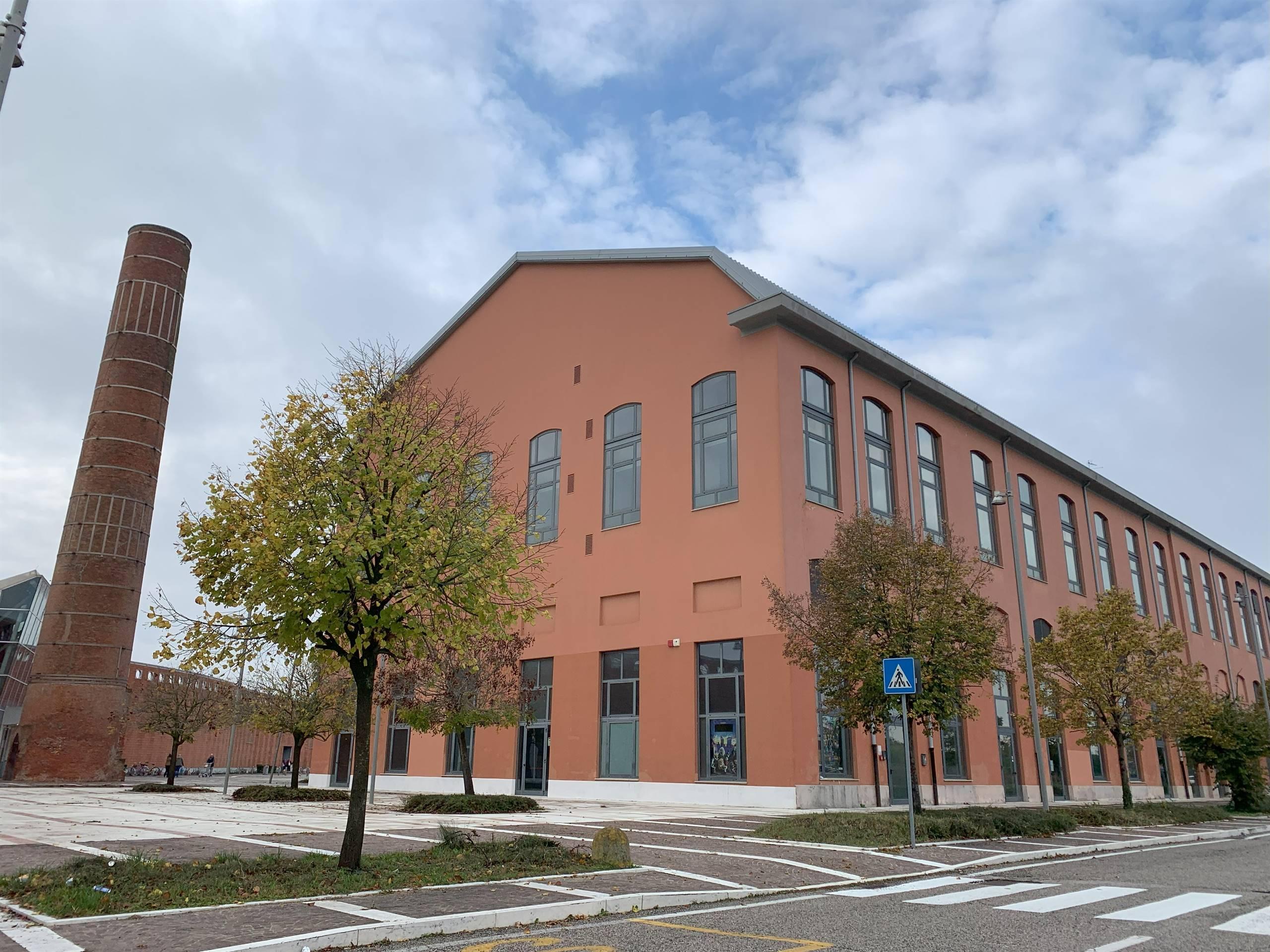
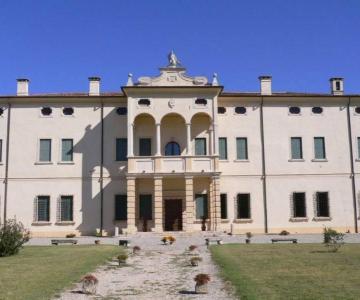
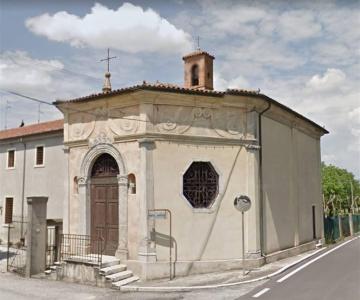
In the early twentieth century Legnago experienced a radical restoration of the main streets in the town centre and the construction of a first section of the sewer network. In 1910, not without difficulties due to the high operating costs, the electric lighting was also introduced, undoubtedly changing the face of the town. Instead the hamlets had to wait until the early 1920’s before they were connected to the electric network. In the meantime, in 1908, the walls on the left bank of the river Adige were also demolished and so the hamlet of Porto started to grow too. The building development on the right bank of the big river was boosted thanks to the work of father Davide De Massari, who founded a cooperative to build municipal houses, afterwards purchasable by tenants; the first block of houses, built on the street not by chance named after De Massari, was donated in 1905. The important Viale dei Tigli was opened in 1925: today it connects the northern part of the town with the railway underpass called Ferrara Gate by the residents. Going from north to south lots of liberty-style detached houses overlook the avenue, in addition to the former venue of the Opera Nazionale Balilla, today the gymnasium of Giovanni Cotta High School, and the Cavalcaselle former technical schools, inaugurated in 1909, today the venue of Giovanni Cotta High School. Just before arriving at the intersection with Via Gramsci you can still today admire on the left the building of the former public bathrooms opened in 1924. The so-called “Palazzone” (a very high building) was completed in 1924: it was the first condominium of Legnago, spared from the Second World War bombings and still today towering at the end of Piazza Garibaldi. The Fascism didn’t deeply affect the urban and architectural structure of Legnago. Nevertheless, some examples of rationalist architecture are the result of the two fascist decades: the war memorial standing in Piazza San Martino, resembling a “typical” fascist tower (inaugurated in 1937) and the Fascist Headquarters on Ponte Fior di Rosa, dating back to 1938 and today the Tax Office venue. The municipal bakery, restored in the 1920’s in a typical medieval-style, overlooks Via Rosselli, just in front of the war memorial. Similar buildings can be seen along Via Fiume and Via Marsala. One of the most tragic moments of the twentieth century, namely the armistice of 8th September 1943, is commemorated by a plaque placed at the beginning of Via Bezzecca, coming from Via Roma: it commemorates the sacrifice of two Italian soldiers who refused to surrender to the German occupation of the town. 70% of the old Legnago was destroyed by the Second World War bombings and the present town is largely the result of post-war reconstruction.
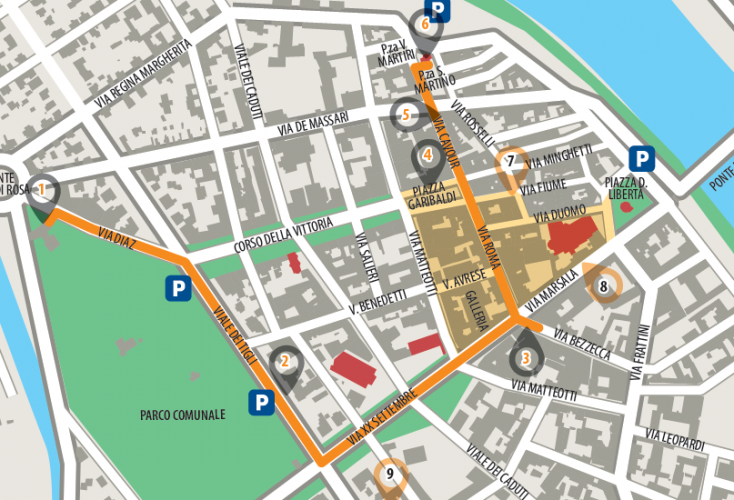
Legnago in the twentieth century
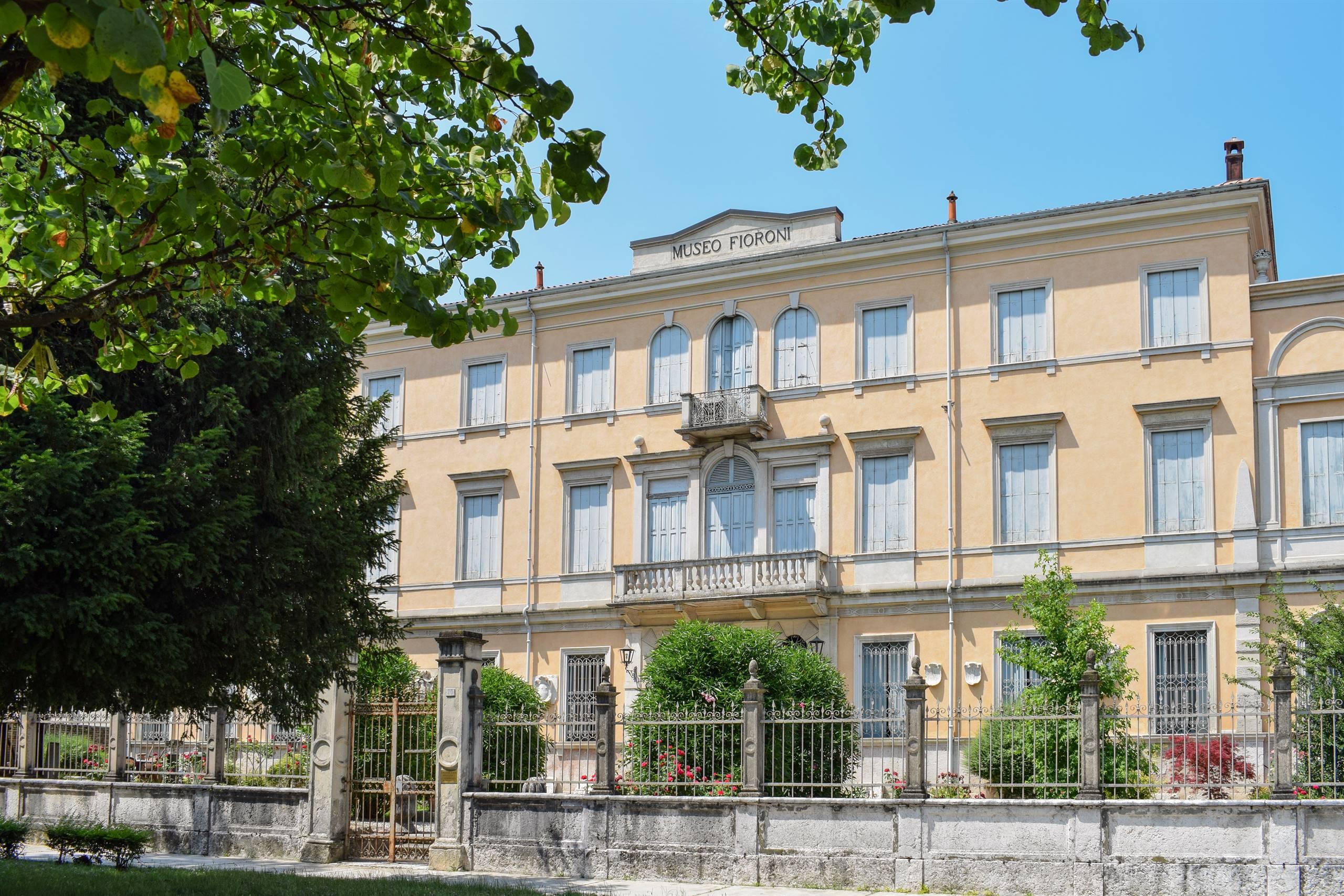
Via Giacomo Matteotti, 39 , Legnago - 37045
- Contacts
- tel. (0039) 0442 20052
- mobile (0039) 3478695087
- email museo@fondazione-fioroni.it
- fax (0039) 0442 603490
- web http://www.fondazione-fioroni.it
- Links
- Download
- Booklet di Legnago - pdf 6.94MB
TAKE ME HERE: Via Giacomo Matteotti, 39