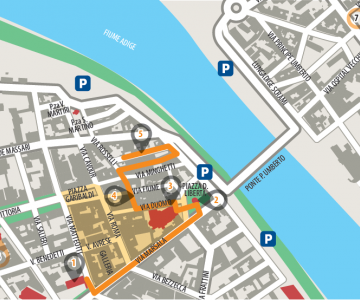
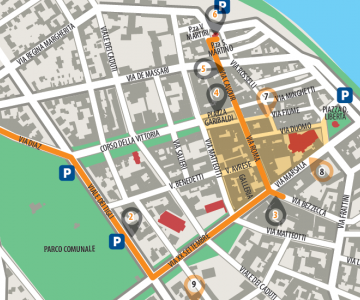
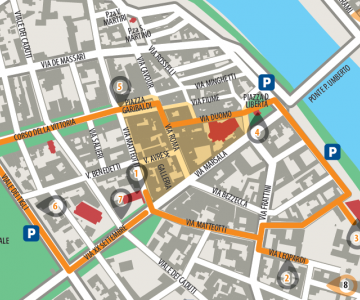
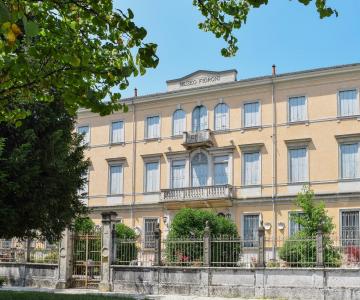
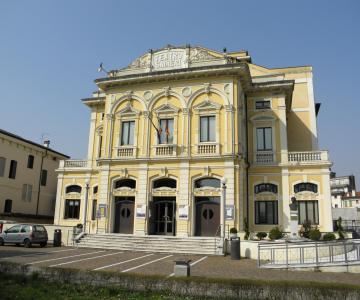
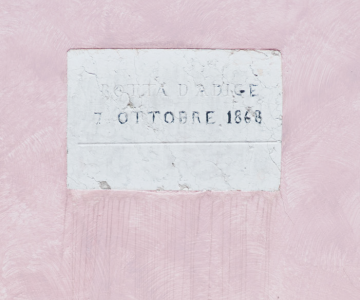
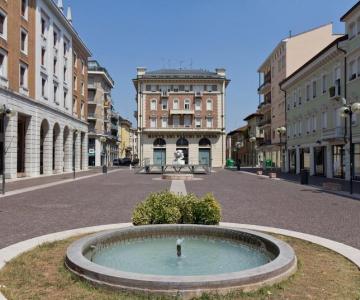
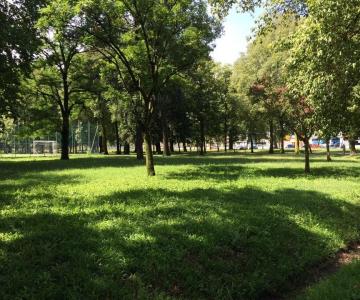
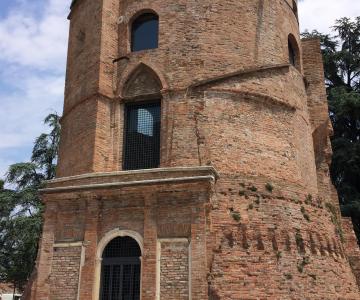
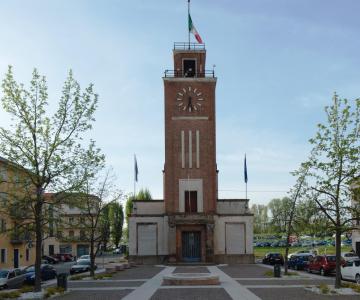
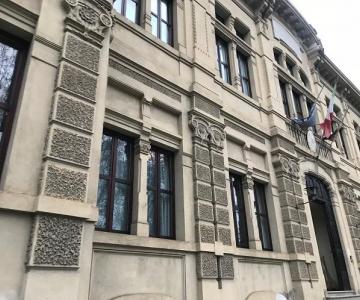
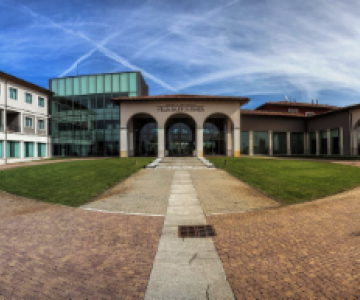
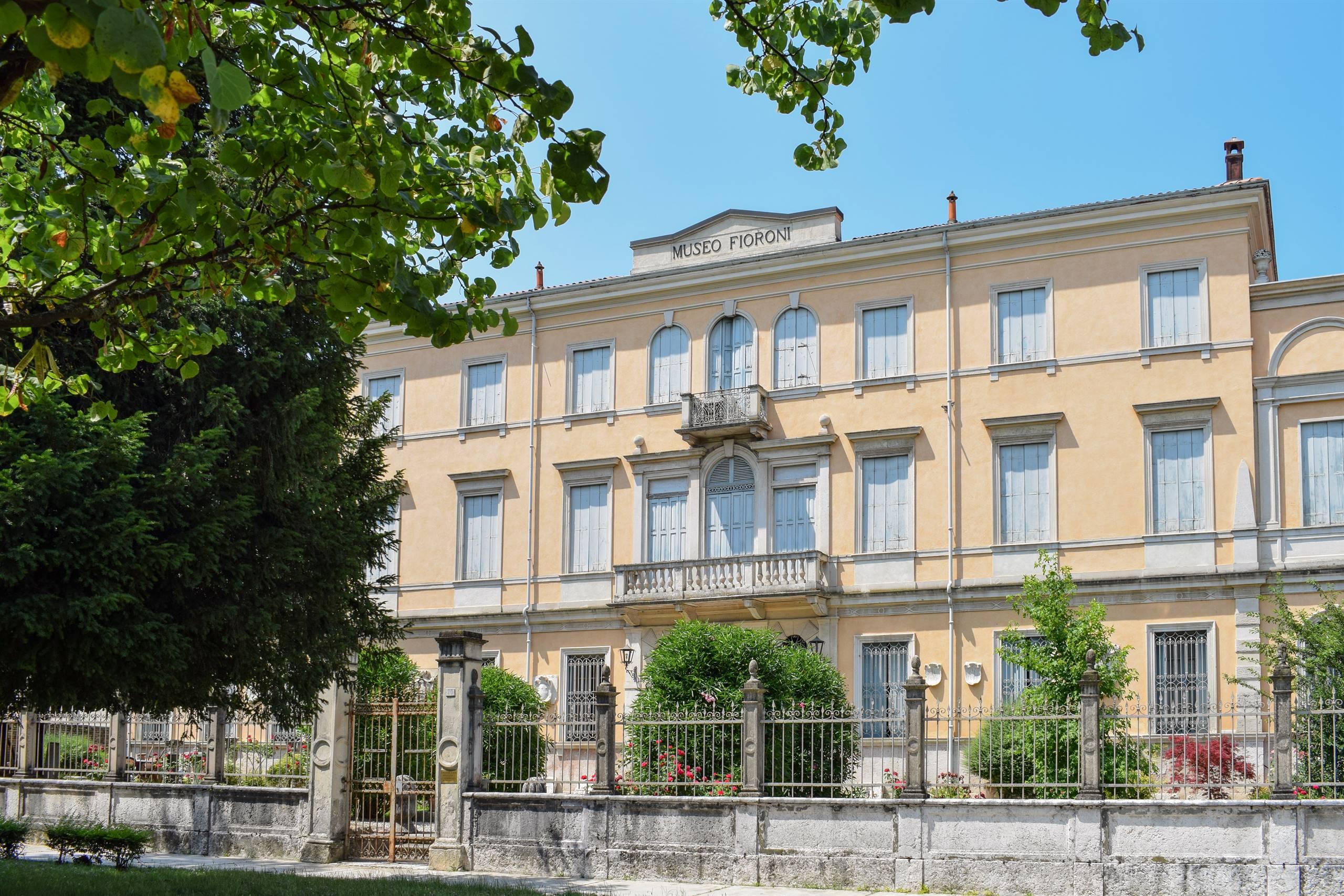
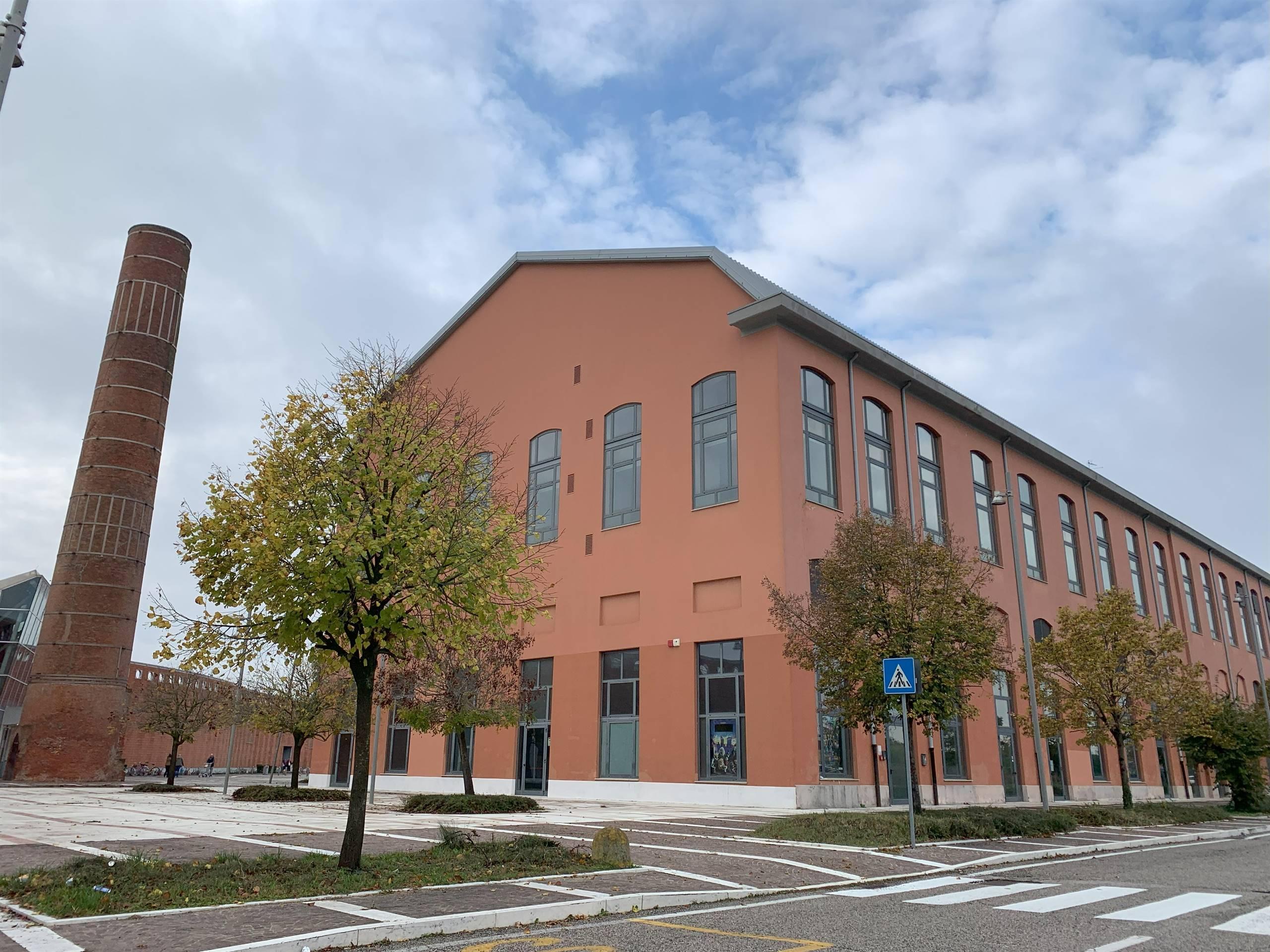
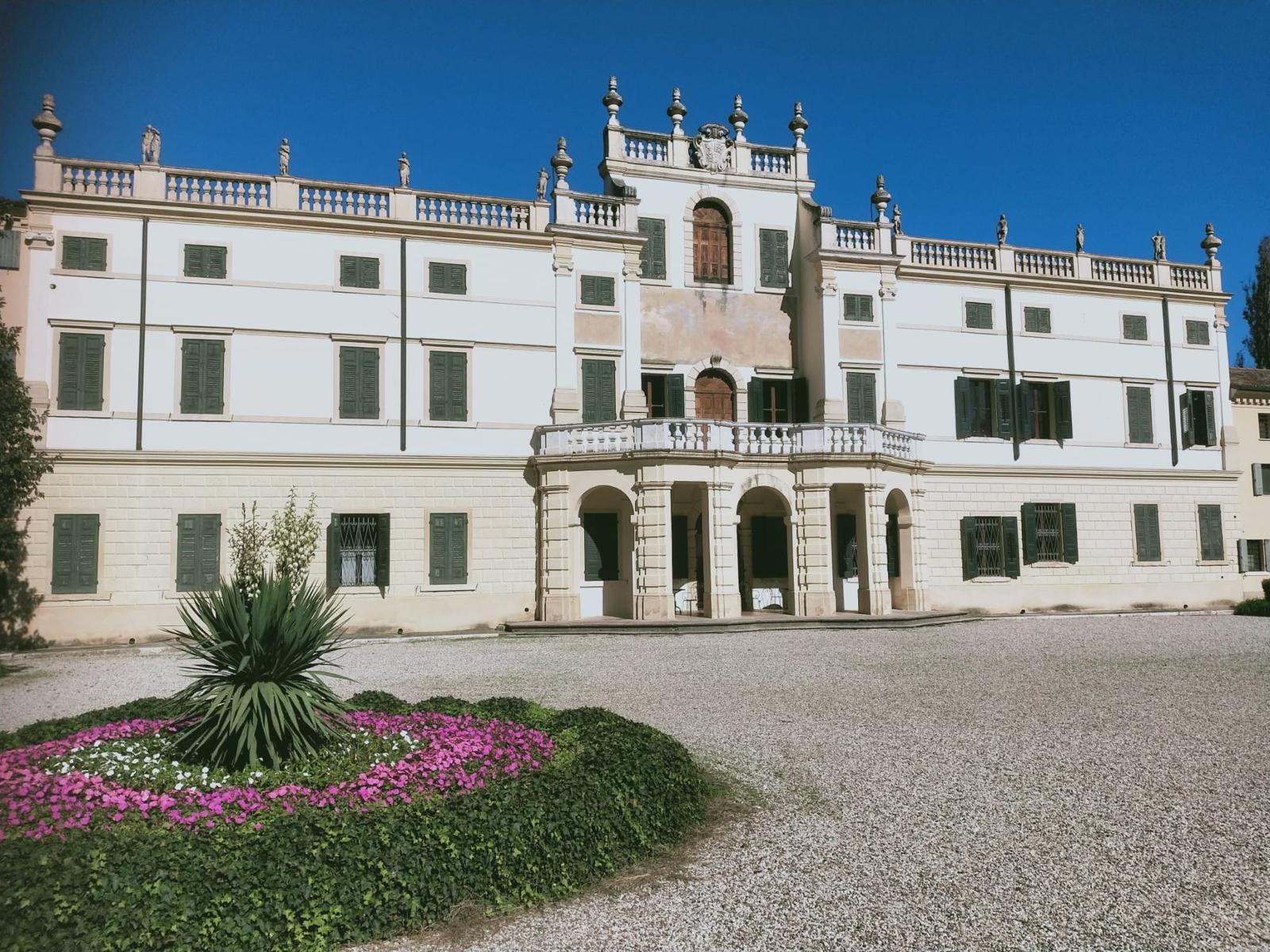
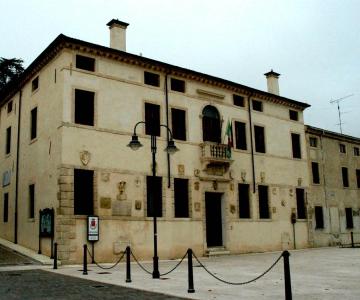
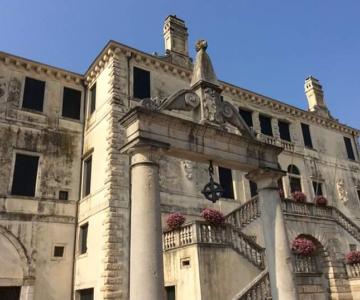
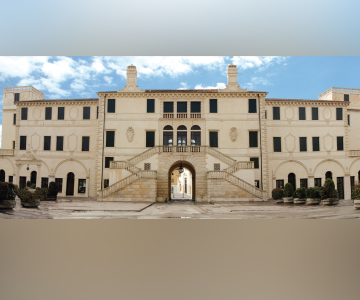
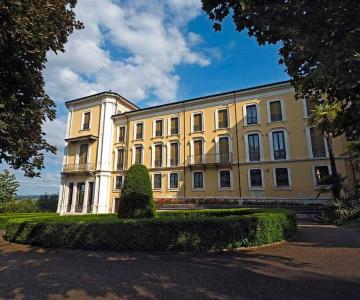
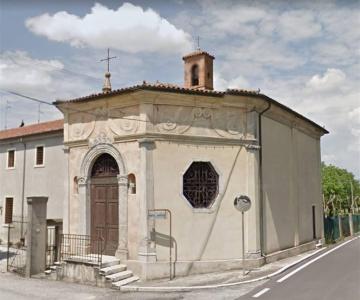
The year 1887 was of primary importance for the urban history of Legnago. The demolition of the first stretch of walls between Mantua Gate and Ferrara Gate marked the beginning of a real building revolution. Varied and complex reasons led to the complete demolition of walls and gates, some of which had a considerable architectural value: first of all you need to consider the two big floods of the river Adige, which devastated the town in 1868 and 1882, if you want to understand those reasons. Those two events are today commemorated by small plaques indicating the level reached by the water in various parts of the fortress. The new blocks, a tangible sign that the Belle Époque was beginning, were built in the western part of the town after the first stretch of walls was demolished in 1887 and they are still easily visible today in Via Davide De Massari in the north, Viale dei Caduti in the west and Via Frattini in the south. Once Mantua Gate was demolished, Piazza Garibaldi was extended into an about two hundred metres avenue, the present Corso della Vittoria. Afterwards, Via Frattini and Via Marsala were also extended; the latter, at the intersection with the present Via Matteotti, was named Via XX Settembre. Within a few years the large buildings of the middle and upper middle class of Legnago began to overlook the newly built avenues. One of those buildings can be still seen today (and it can be visited): it is Fioroni-Accordi palace, where the homonymous Foundation is housed. Then the town continued to grow in 1895, when the large area between Ponte Fior di Rosa and the new railway station was turned into a municipal hippodrome. After the Second World War, the sports facility was turned into a park, a real green lung for Legnago: the great monument to the father of the country Vittorio Emanuele II, previously standing near the Tower of Legnago, was placed in the centre of the park. In the late nineteenth century Legnago experienced a significant industrial growth too. In fact, in 1897 a big sugar beet processing factory was built beyond the river Bussè, towards Mantua: only a smokestack of that factory is still standing in the centre of the area of the new shopping centre.

Legnago in the Belle Époque
Via Giacomo Matteotti, 39 , Legnago - 37045
- Contacts
- tel. (0039) 0442 20052
- mobile (0039) 3478695087
- email museo@fondazione-fioroni.it
- fax (0039) 0442 603490
- web http://www.fondazione-fioroni.it
- Links
- Download
- Booklet di Legnago - pdf 6.94MB
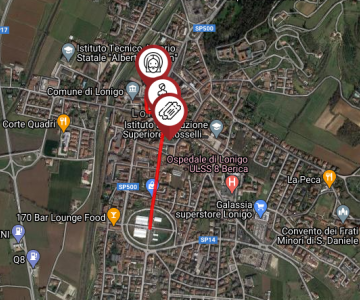
TAKE ME HERE: Via Giacomo Matteotti, 39