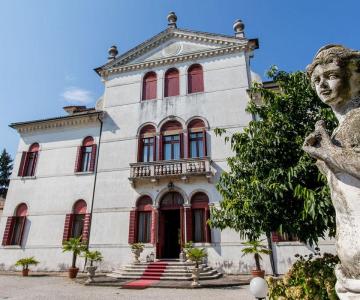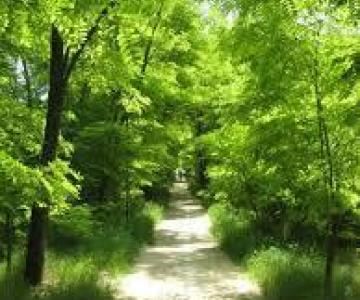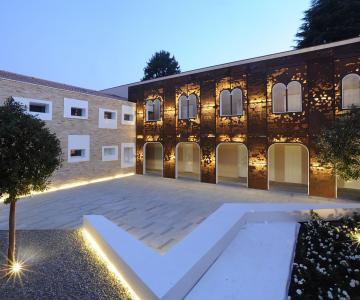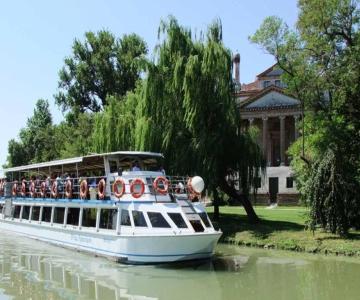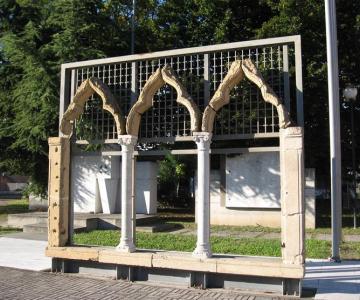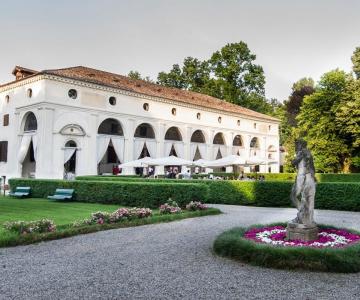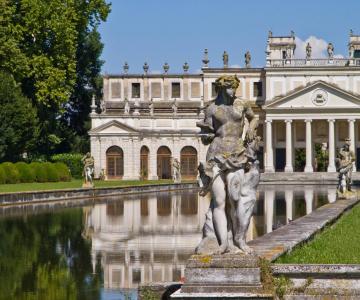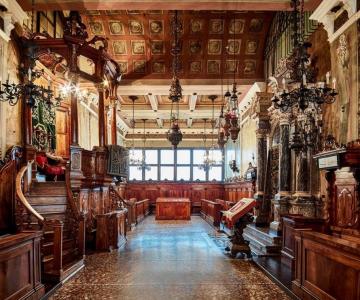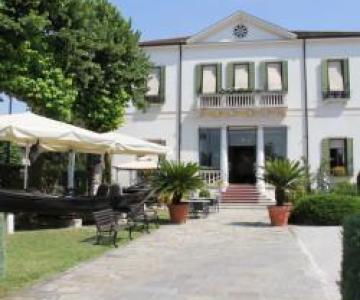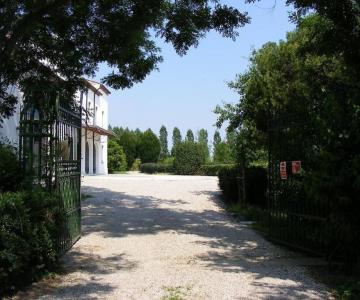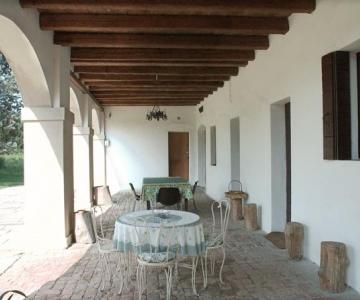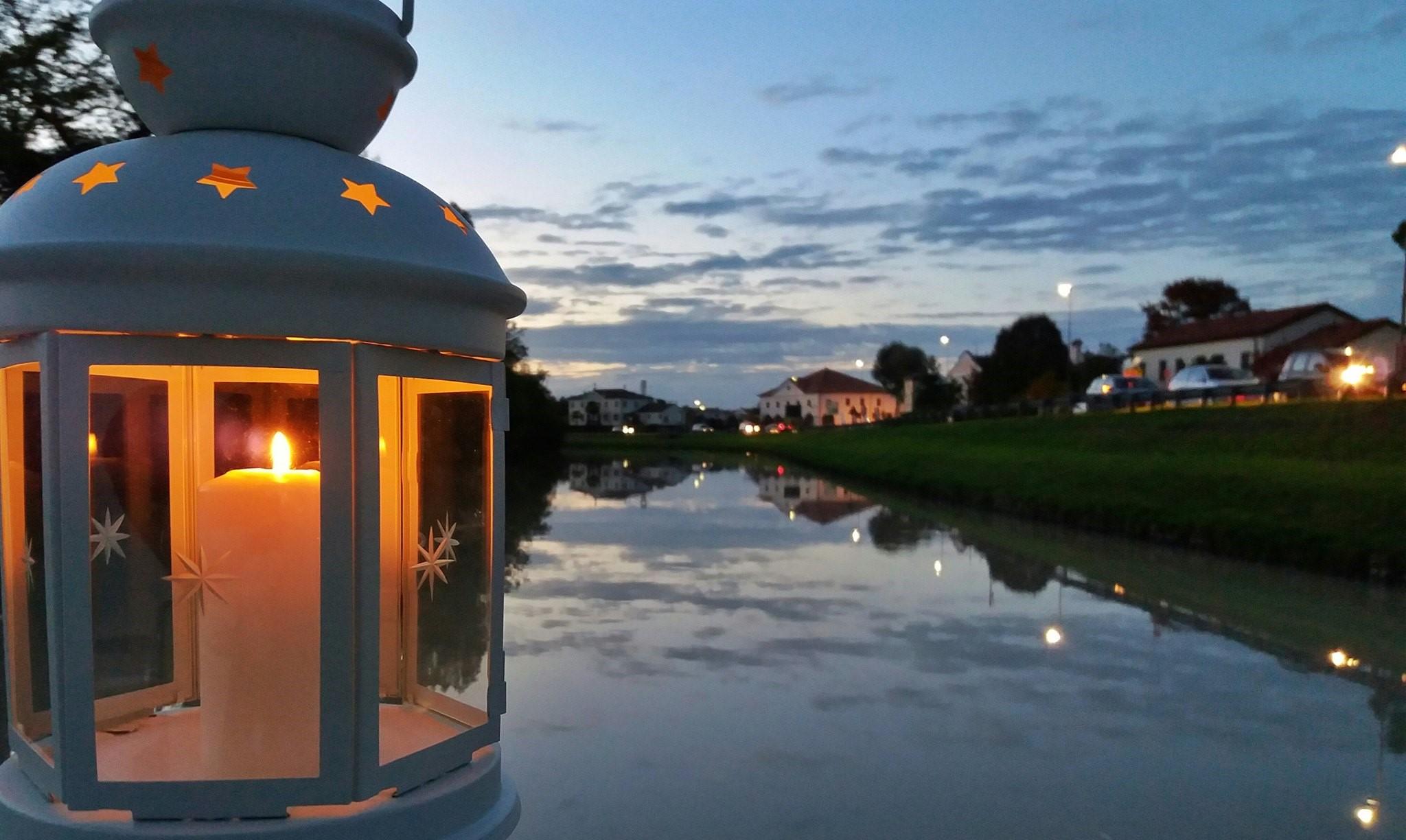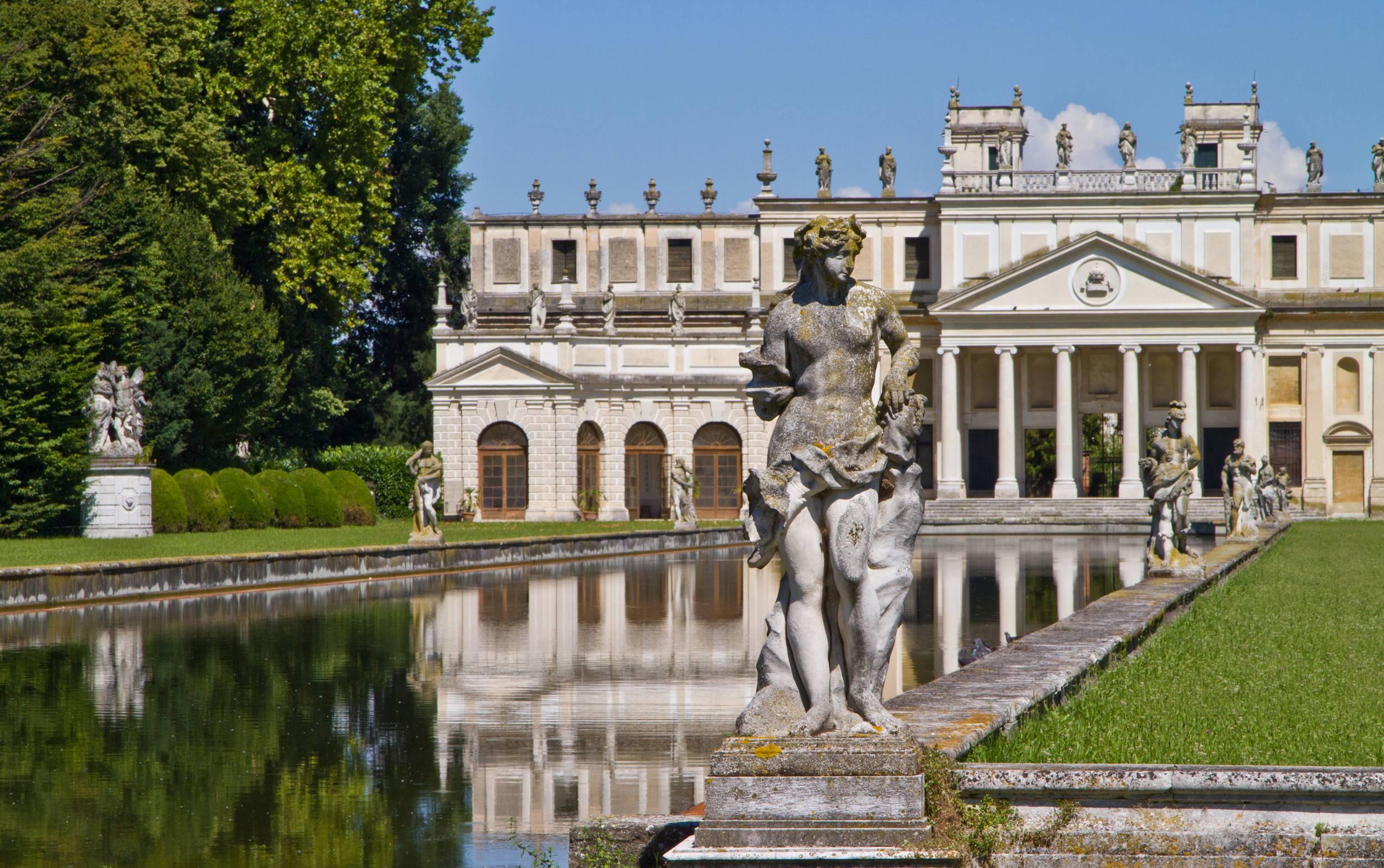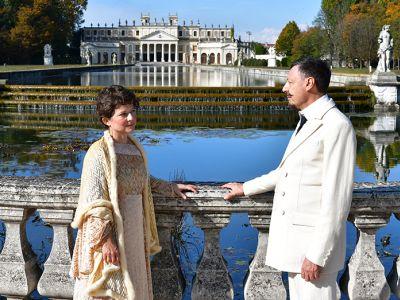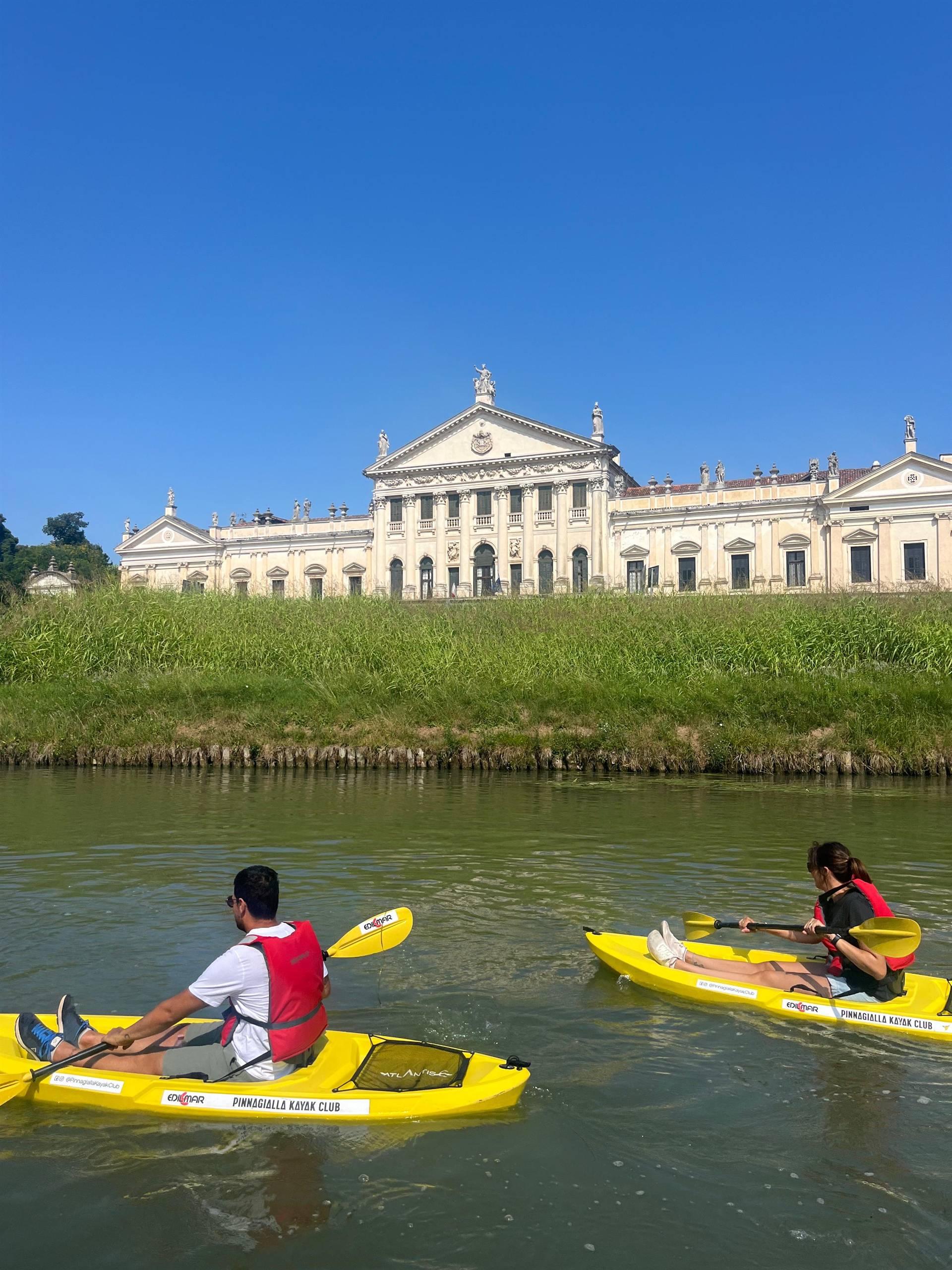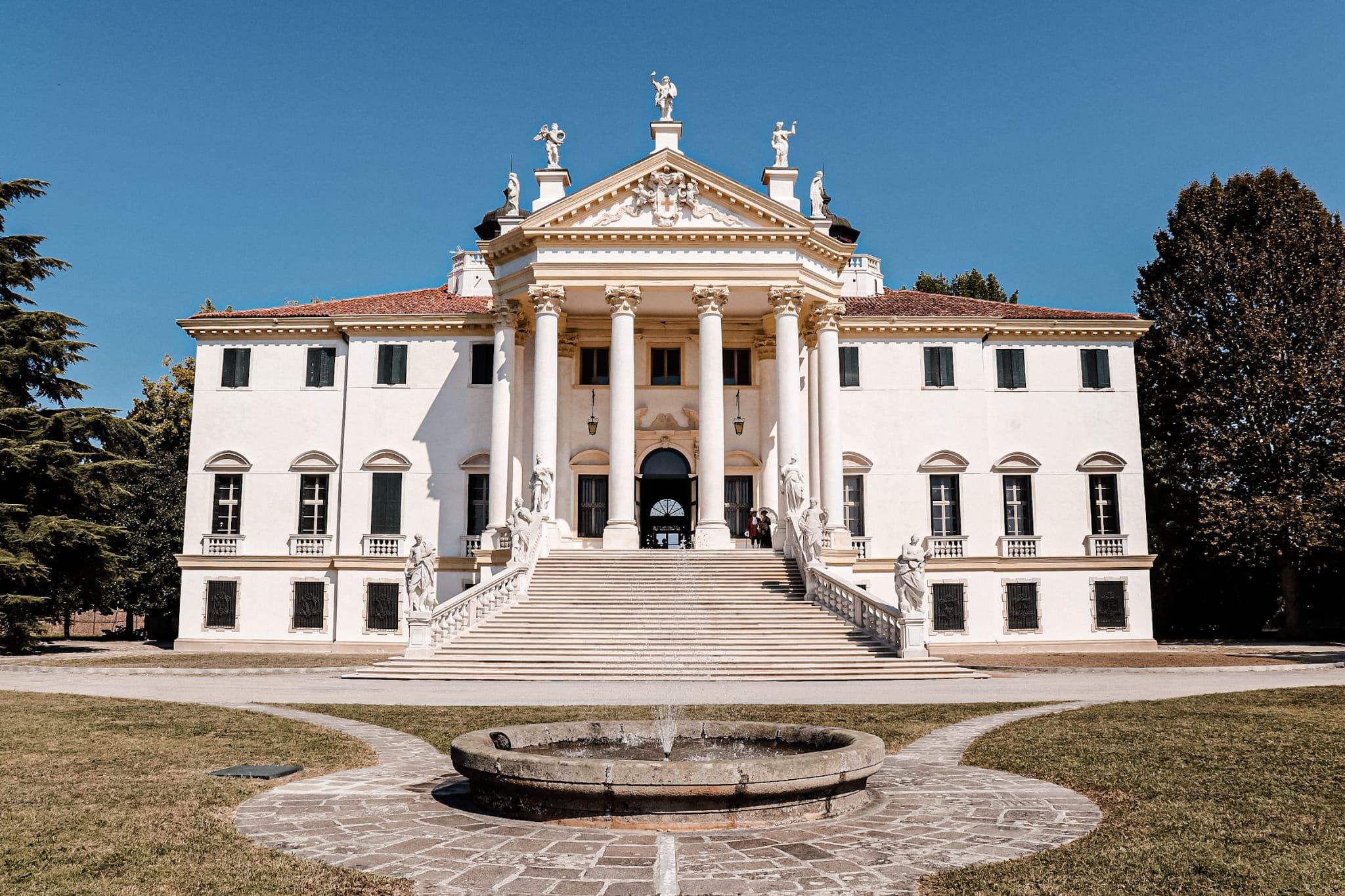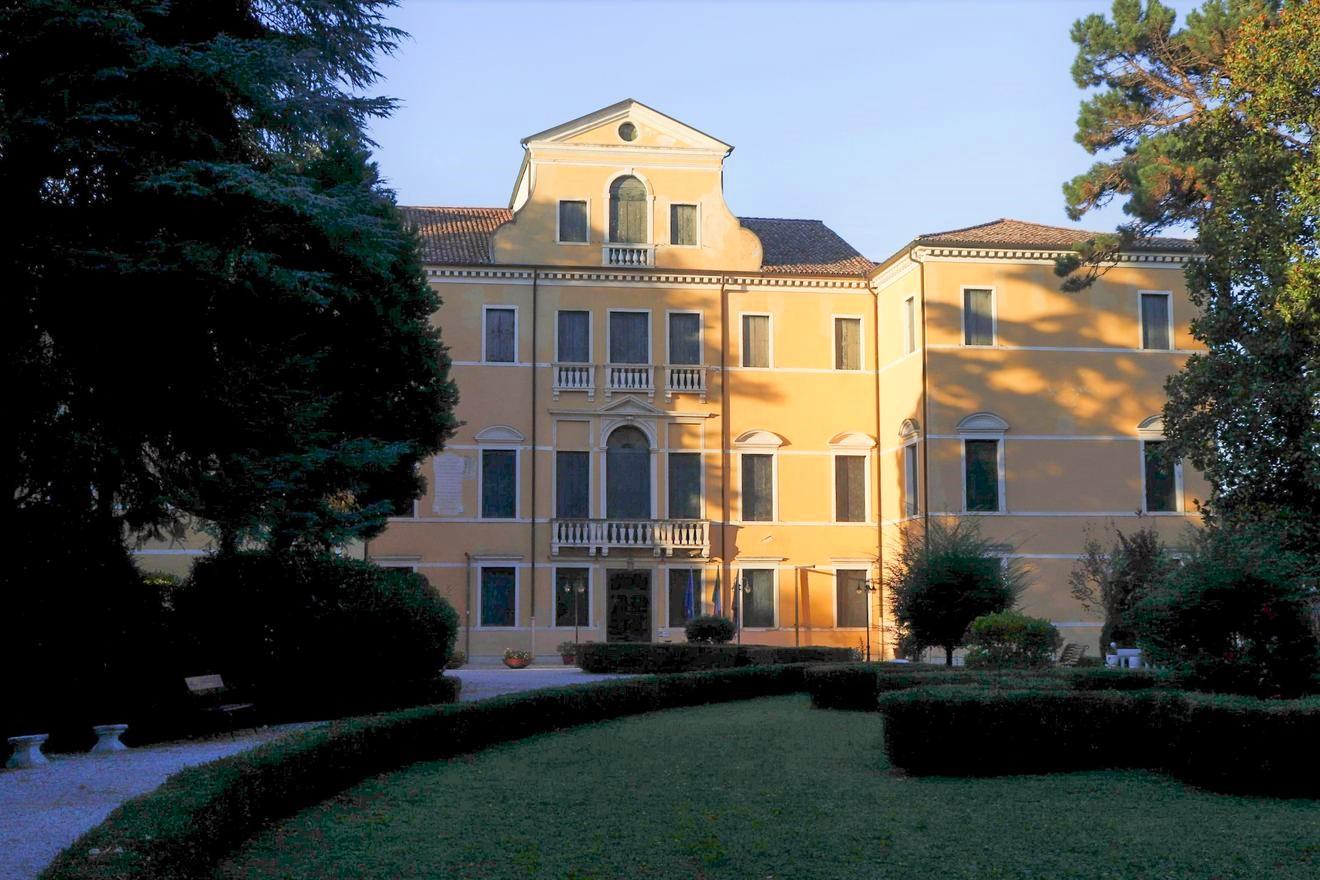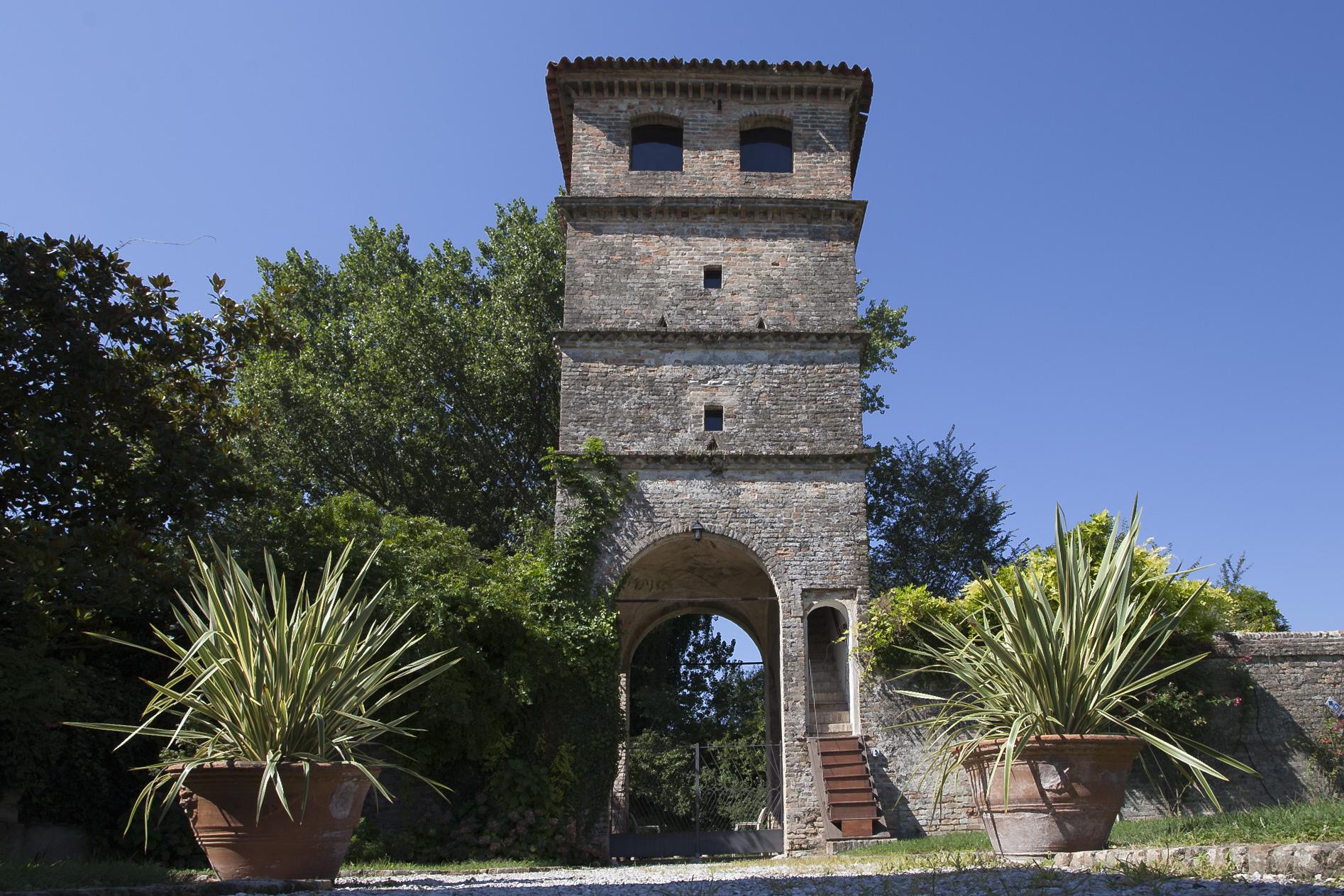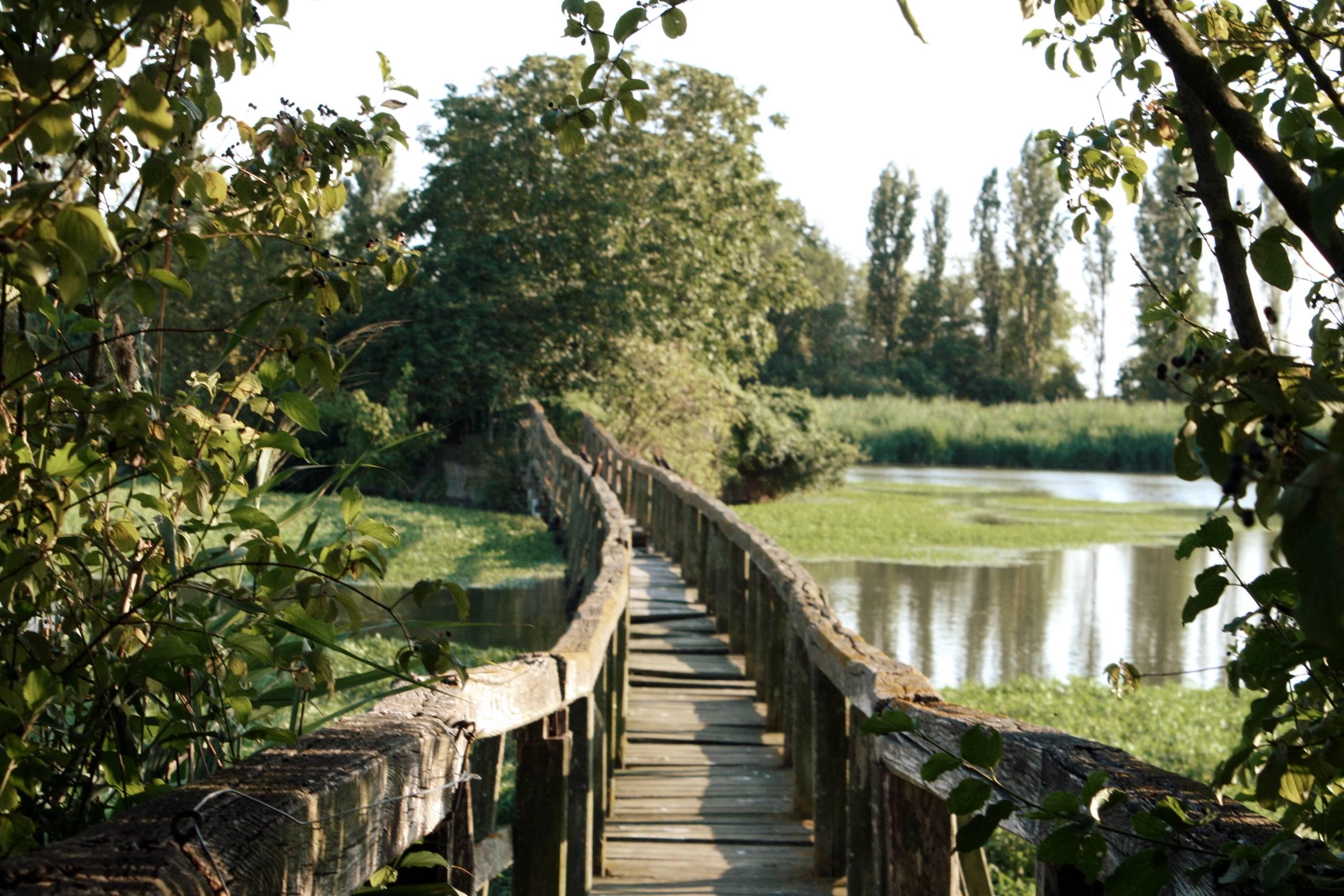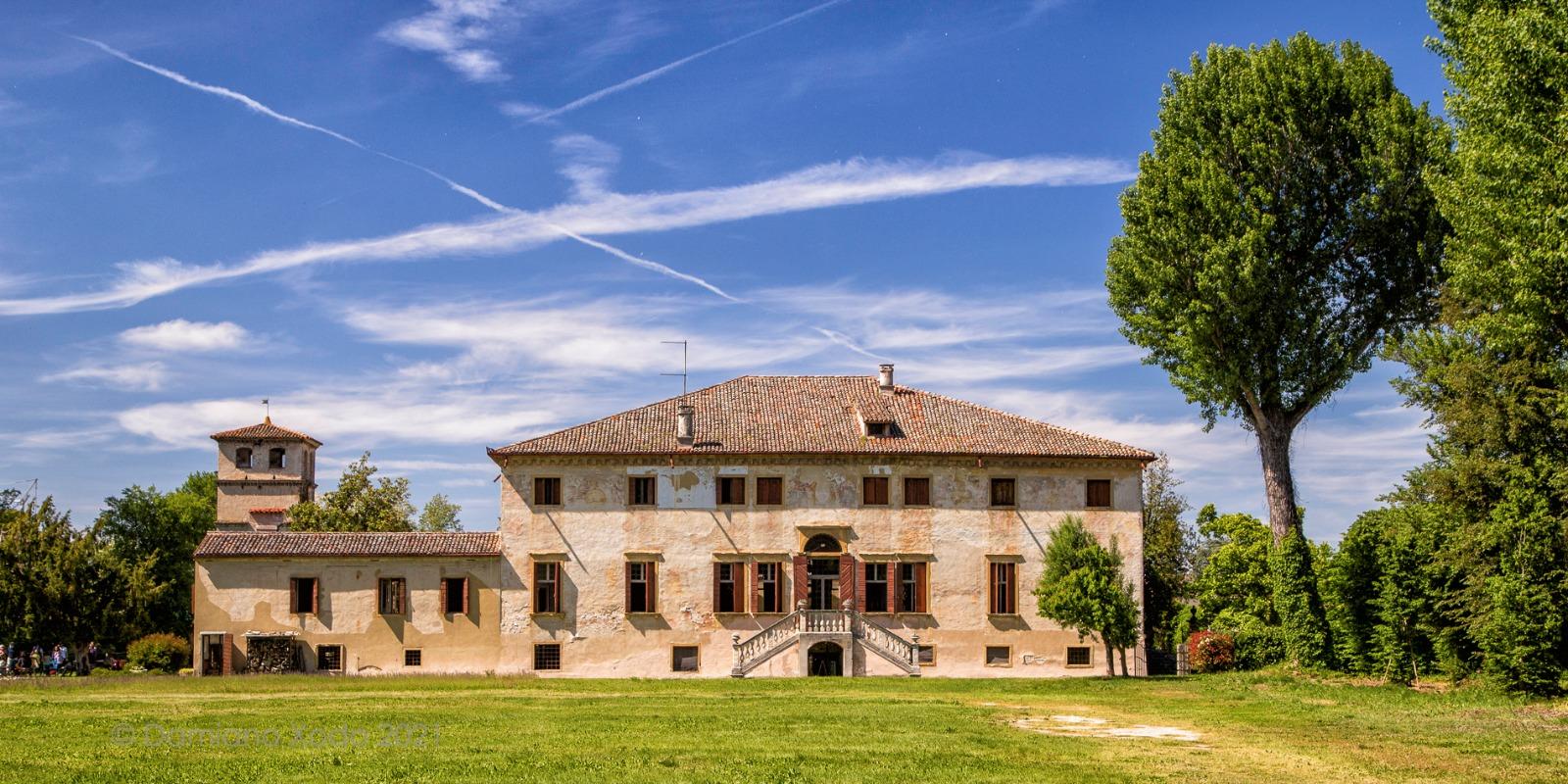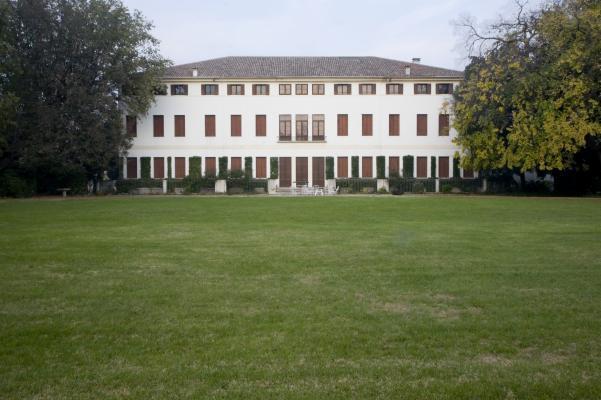
The Cittadella Vigodarzere park, now owned by Valmarana, was designed by Giuseppe Jappelli in the early 19th century, establishing a sort of English-style model in the Veneto region. The park covers an area of about 14 hectares, initially enclosed and protected by a moat along the country road surrounding it. For the creation of the park and to shape the originally flat site, Jappelli used the excavated earth from the lake and the perimeter moat. The lake has a surface area of about one and a half hectares. Much of the shores and the islet are protected from water erosion by the roots of numerous taxodium planted over the last 80 years specifically for this important role. Another feature of the lake is that, despite its modest size, it was designed in such a way that from any viewpoint, one can never see it all at once. The temple, near the lake, partially destroyed by the two world wars, was dedicated by the architect to commemorate the tragic end of the Knights Templar. Today, the three rooms dedicated to Masonic rituals are still intact and open for visiting. The Villa, the 5,000 trees in the forest, 4 kilometers of paths, five oak and robinia wooden bridges, two greenhouses, two porticos, the ice house, and the famous "duck house" complete the site.
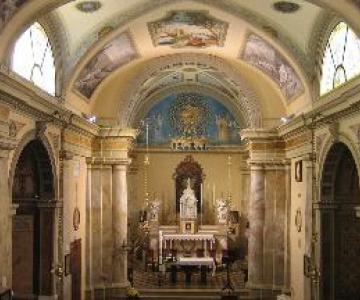
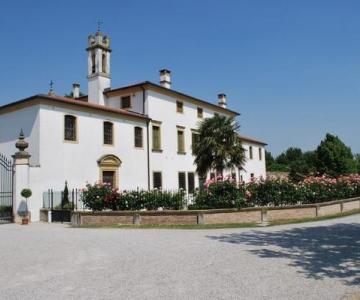
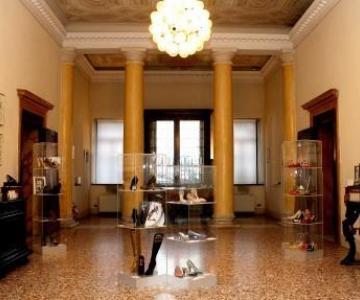
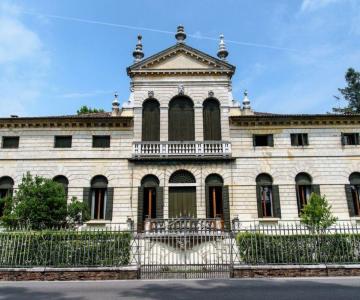
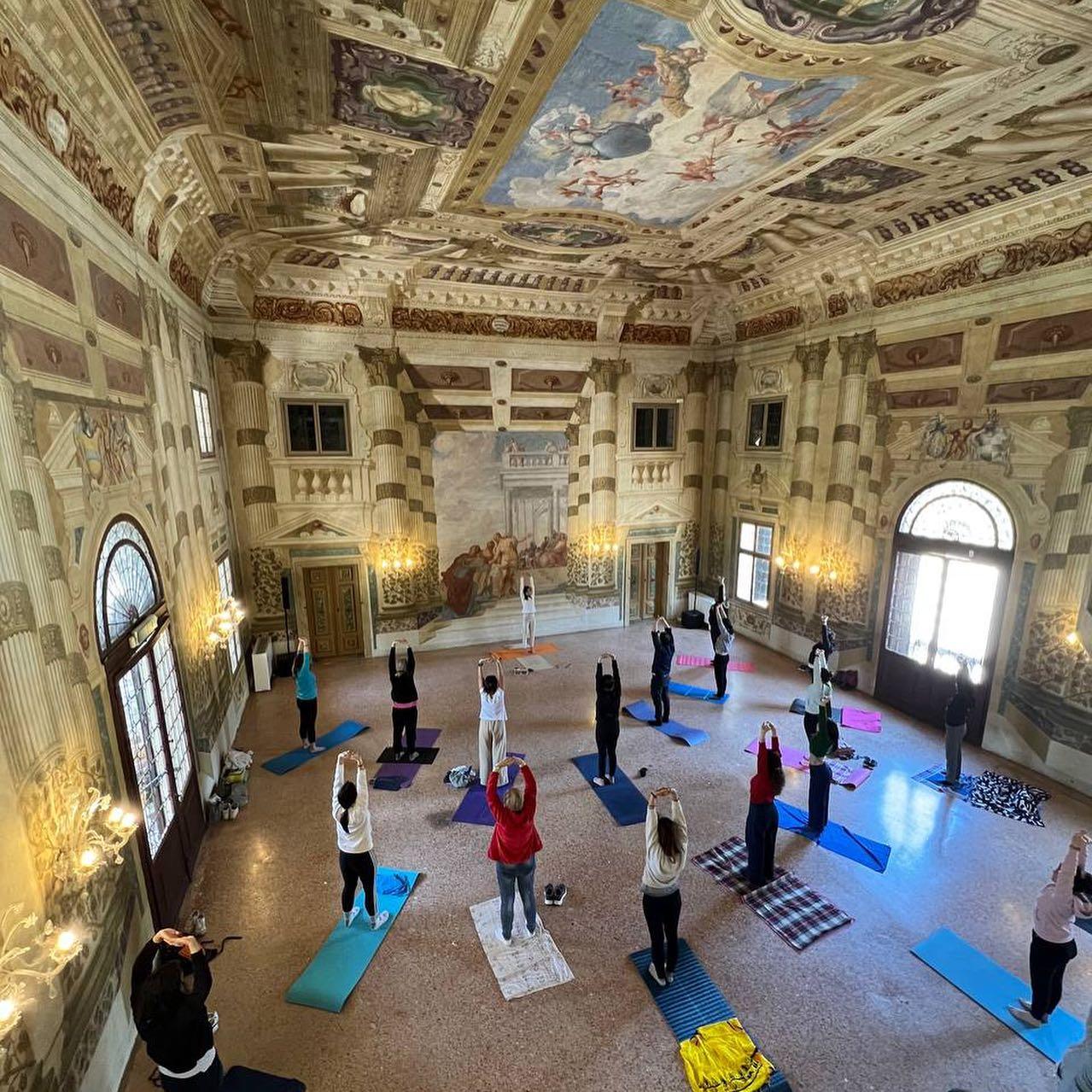
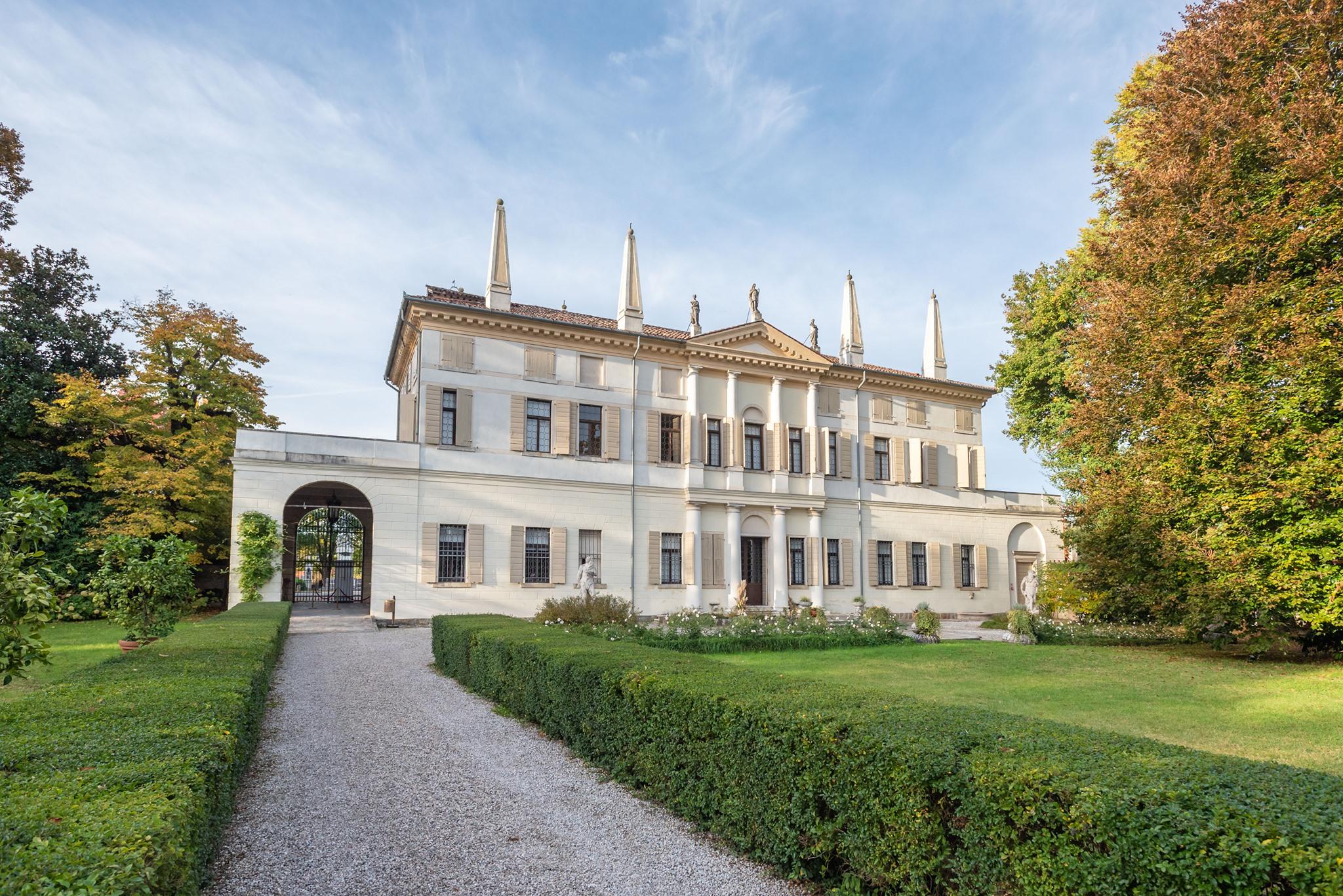
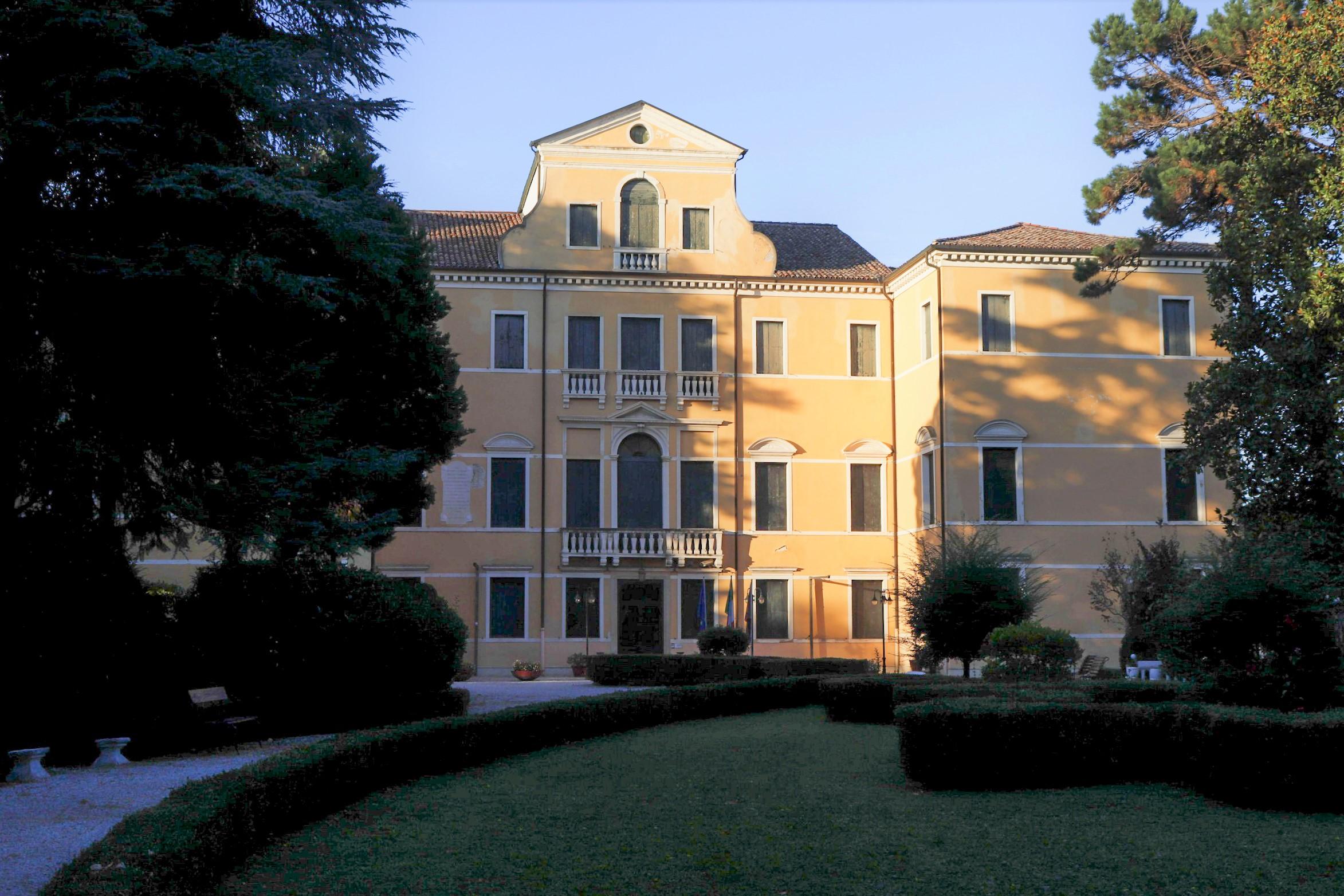
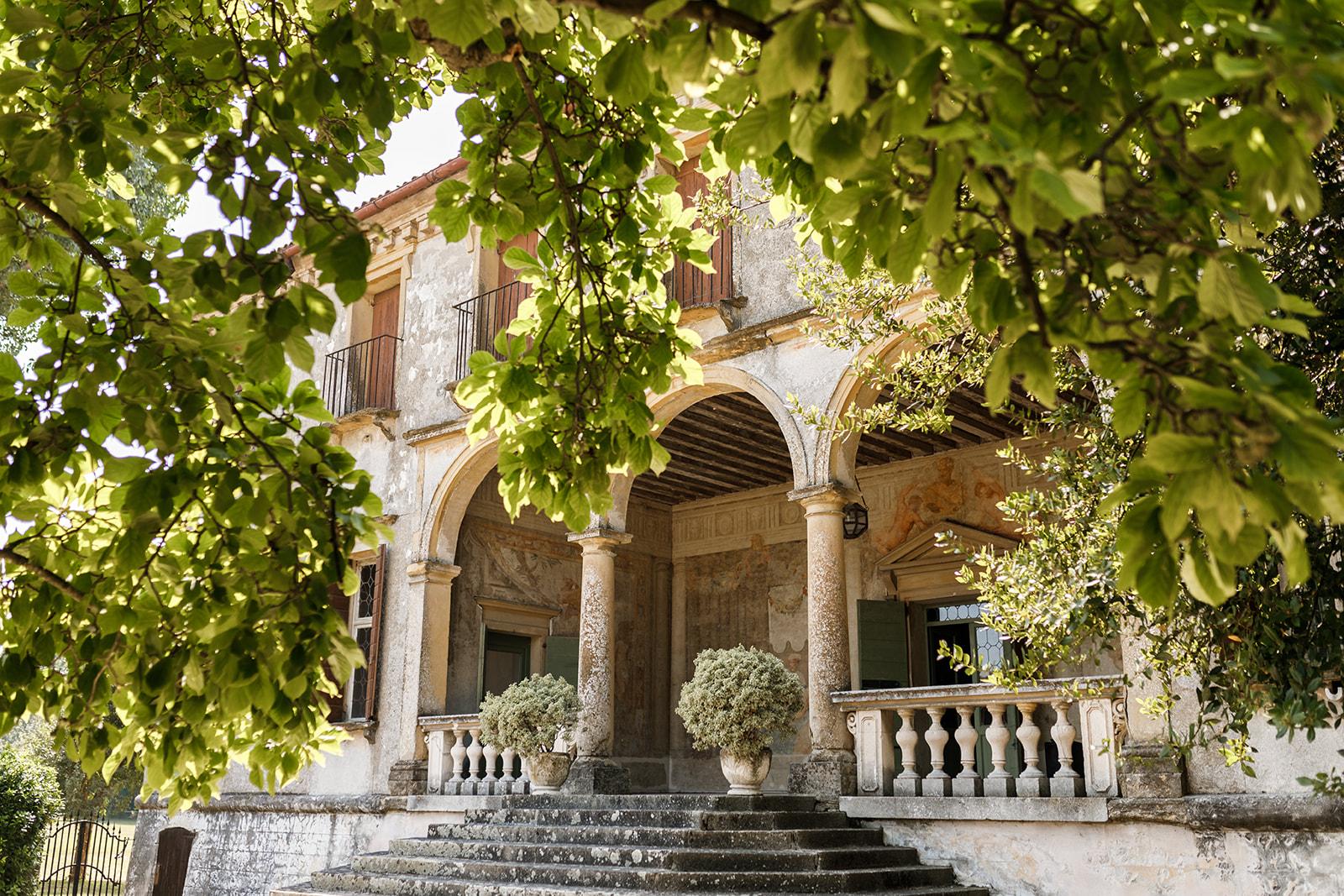
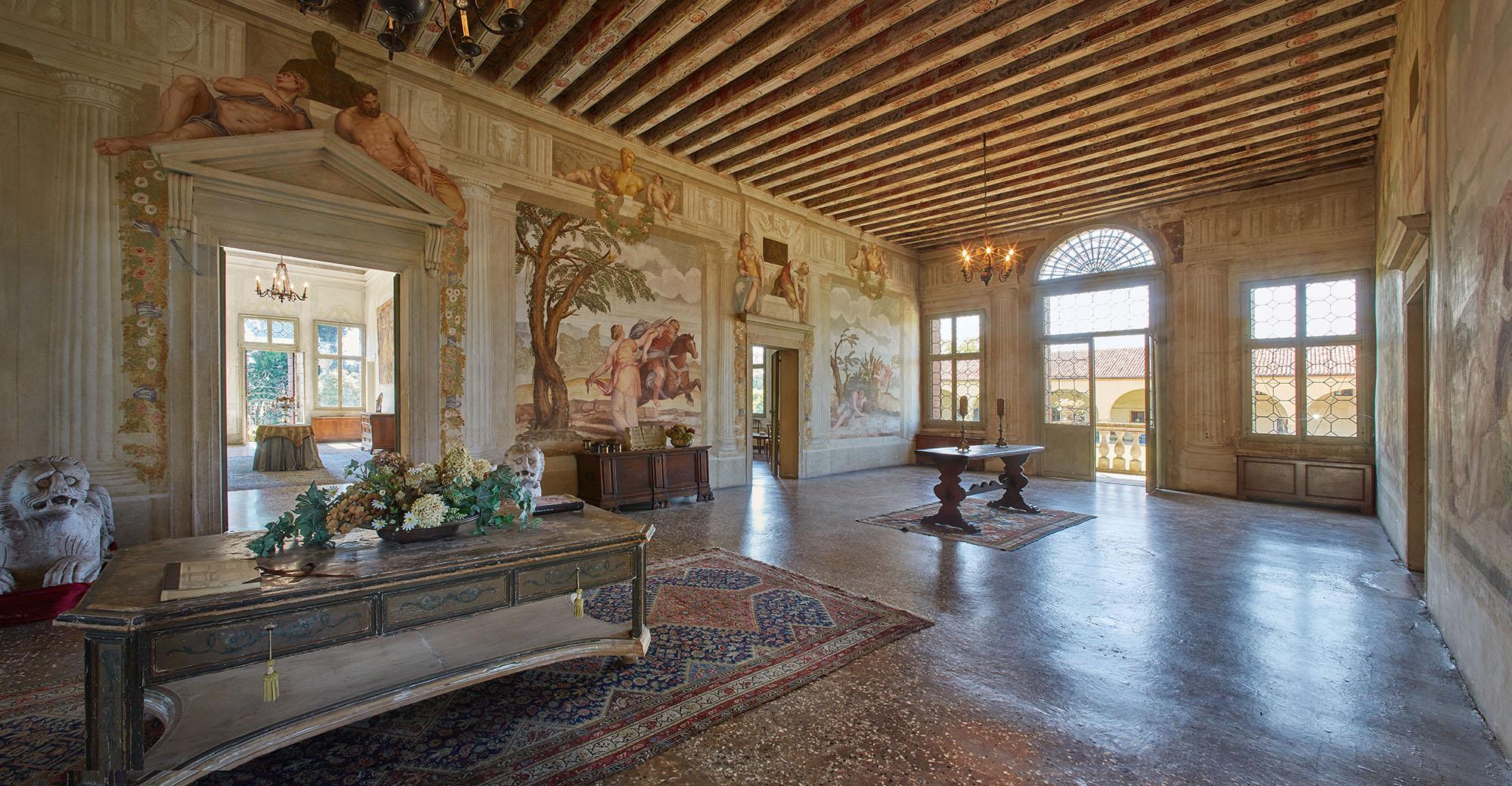
Excellences of the villa: The Villa is an imposing rectangular volume with a longitudinal development facing the park. The building has three levels, resting on a base where the dark cellars are often below groundwater level. The ground floor consists of a series of sequential rooms, while the second and third floors are designated for residential rooms, libraries, and lounges. Noteworthy is the dining room, furnished with original furniture and decorated by the frescoes of Michele Fanoli on the ceiling and some paintings by Chiara Dario Varotari depicting members of the Cittadella and Vigodarzere families. Following is the coffee lounge with four identical tables at the corners, the billiard room with English prints, and two lounges, one frescoed on the ceiling by Michele Fanoli where the hole made by English soldiers at the center of the fresco stands out for hanging a lamp…. Among the annexed buildings, the neoclassical chapel designed by Angelo Sacchetti should be mentioned.
Excellences of the context: Originally, about 30,000 plants of various special species were planted in the park, specifically studied to guide visitors in the "initiatory path." Today, the original arrangement of the various species has been lost, some due to epidemics (plane trees, horse chestnuts, and oaks), others due to a natural lesser adaptation to the climate. Currently, there are over 5,000 tall-stemmed plants, of which at least six are from the initial planting; five plane trees and one oak over 220 years old, which are subject to constant care and maintenance. Four of the five plane trees have a circumference at the base of over 7.5 meters.