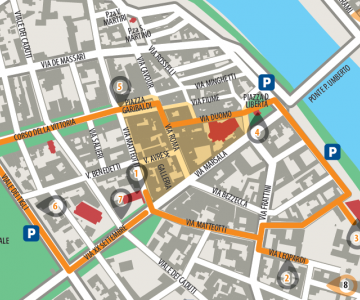
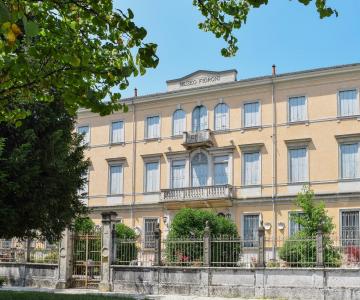
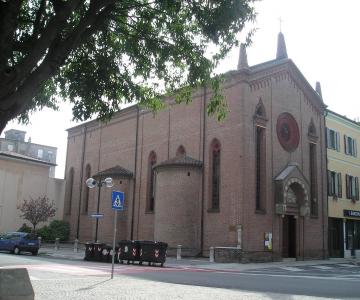
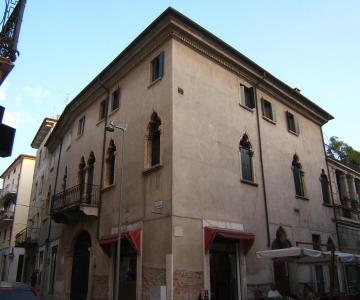
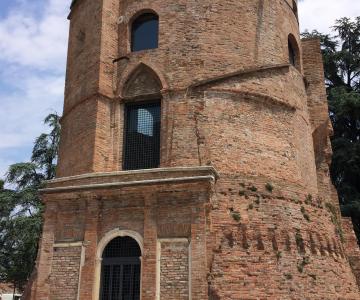
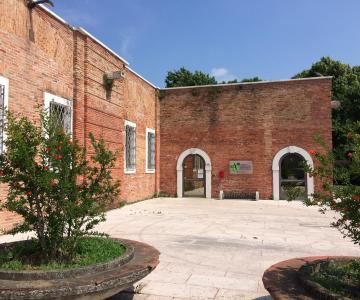
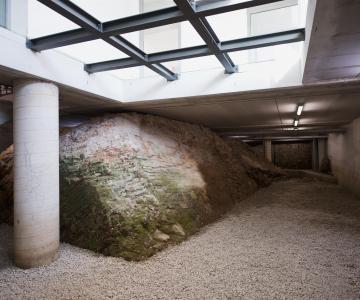
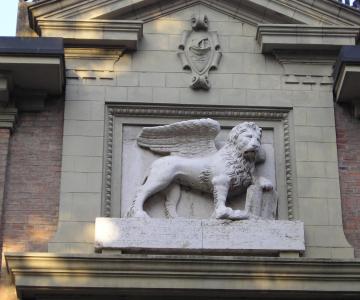
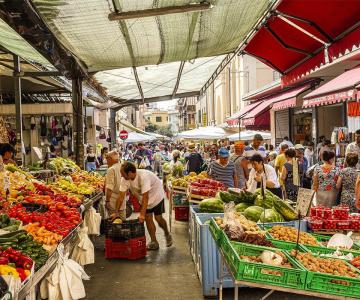
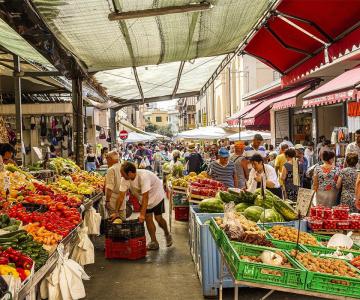
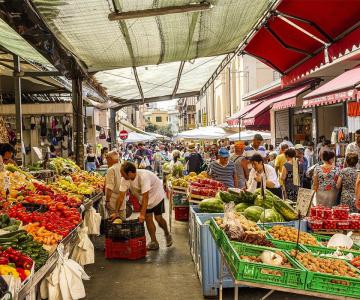
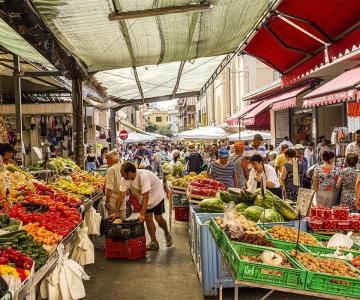
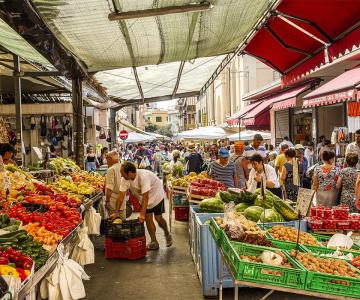
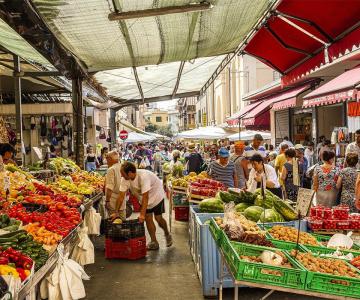
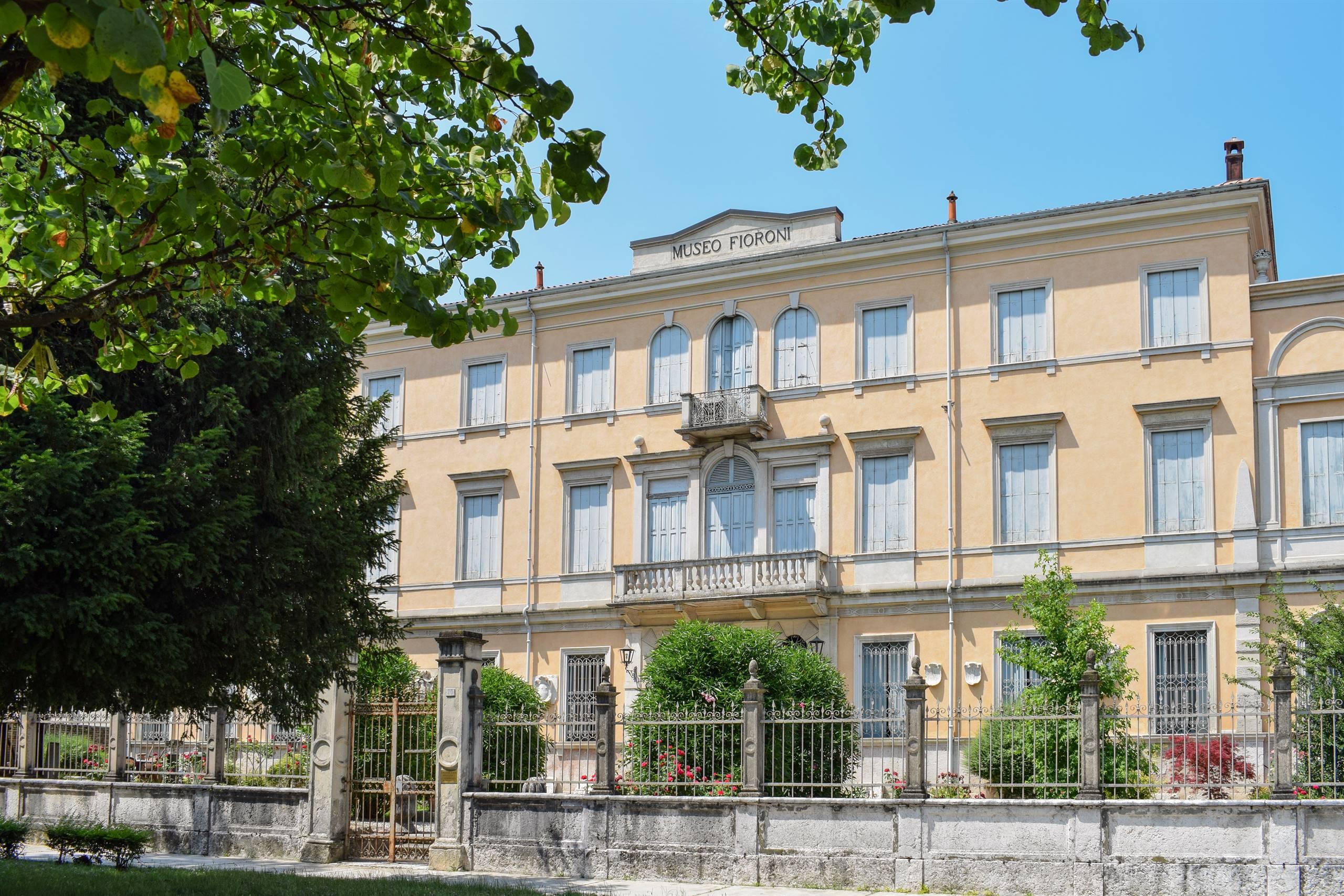
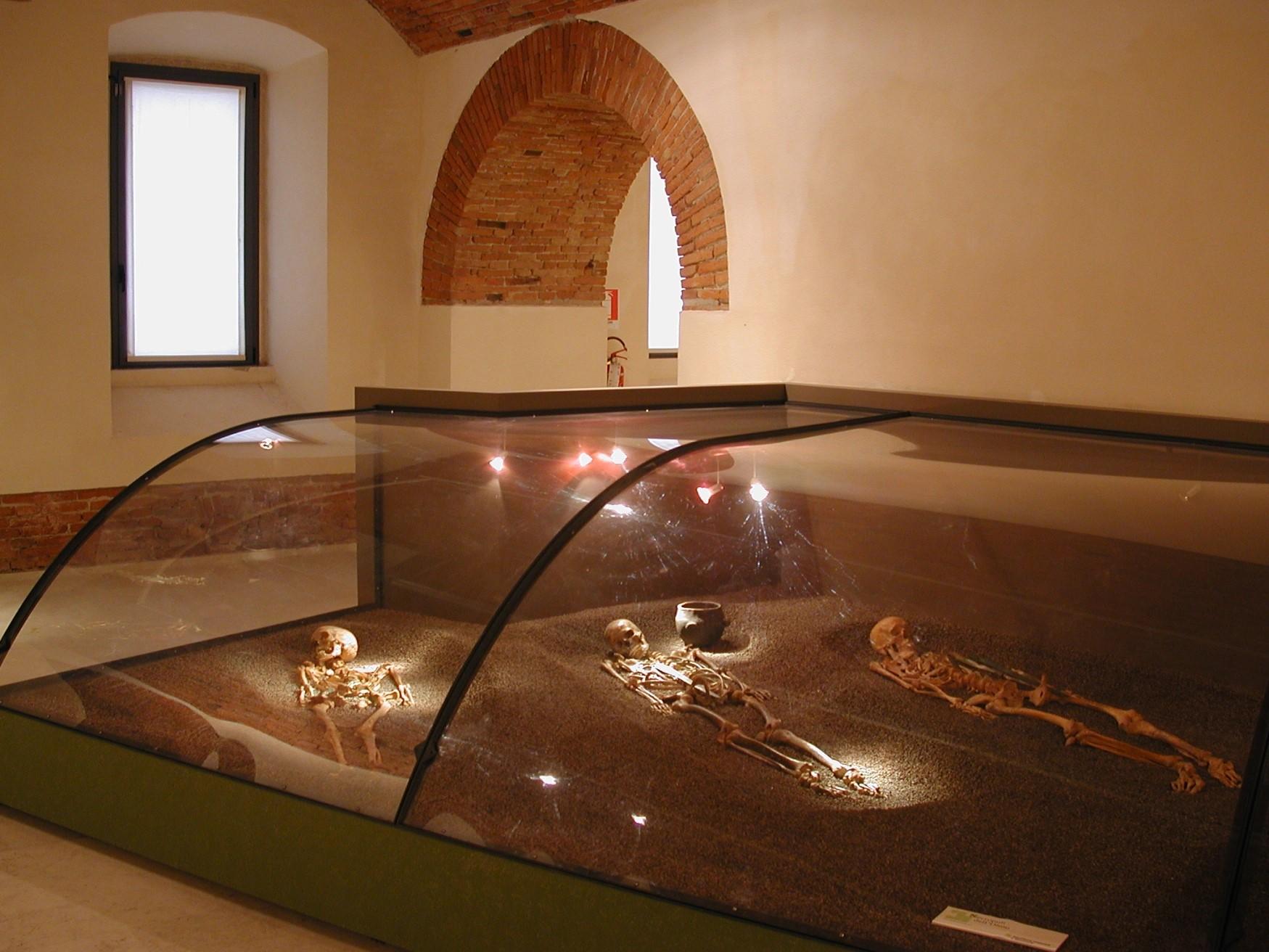
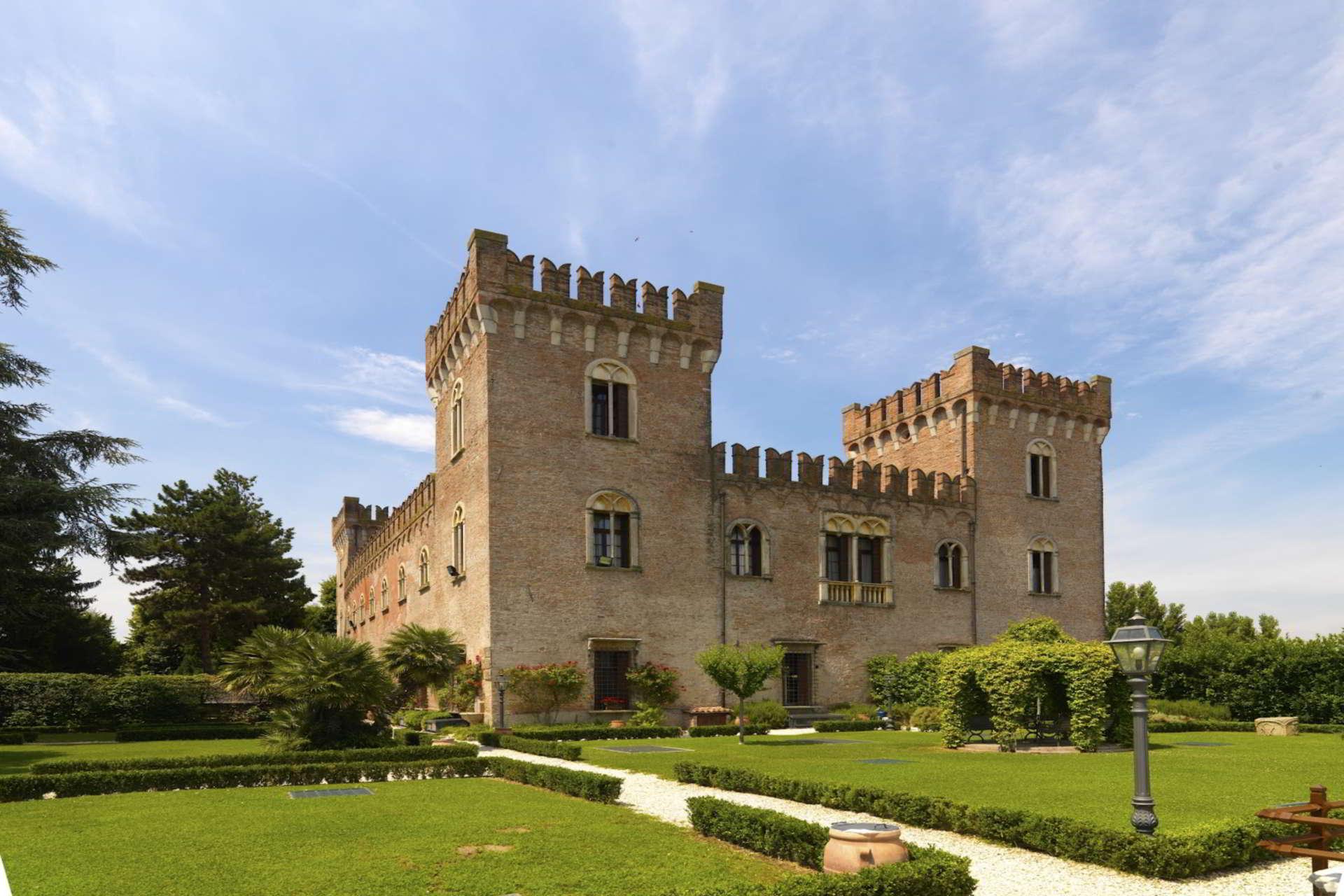
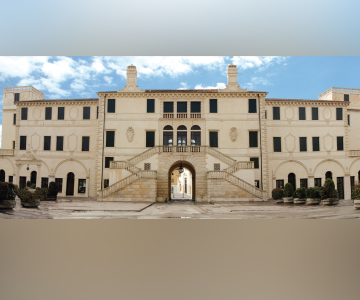
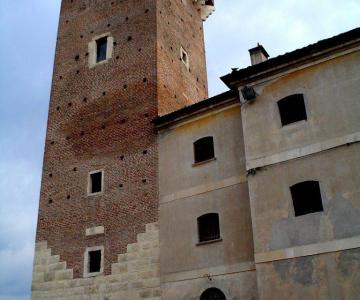
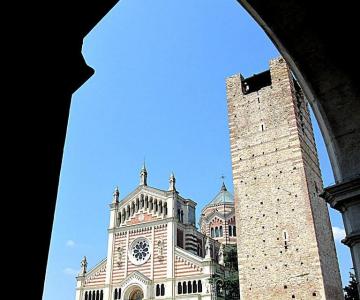
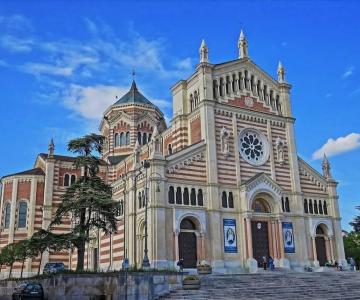
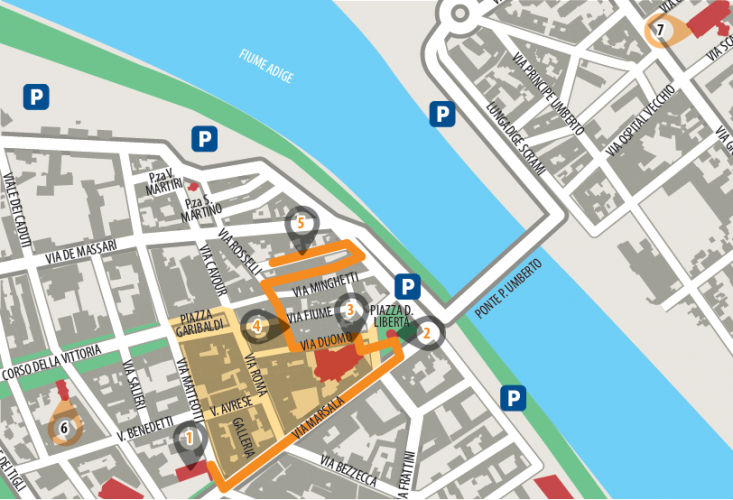
The past events of Legnago are inextricably linked to the river flowing through it: the Adige. In fact, as early as the tenth century a castle had guarded the important river traffic and the only existing bridge in the Pianura Veronese at that time. The considerable quantity of weapons found during the archaeological excavations carried out in the 1930’s of the twentieth century – and today belonging to the beautiful collections preserved in the Fioroni Museum – prove the extremely important military role always played by the town. After it was transferred to the municipality of Verona by the bishopric of Verona in the thirteenth century, Legnago was constantly involved in battles, sieges and devastations due to the whirling and sudden changes of rule – first the Scaligeri family, then the Visconti family and Carraresi family – characterizing the following centuries. When the Venetians took over (1405), Legnago became the defensive centre of the southern border of the Republic of Venice. In the first half of the fifteenth century the town was surrounded by walls, dating back to the end of the previous century, and by a deep moat filled with the waters of the river Adige. The town and walls didn’t stretch beyond the present Via Cavour, Via Roma and Via Bezzecca. There were three access ways into town: Galexina Gate, towards San Pietro of Legnago; Ferarola Gate, towards Vangadizza; a third access way entered directly the wooden bridge on the river Adige connecting Legnago with Porto. The castle represented the core of the fortress within the walls: it was rebuilt in 1475 and it was considered impregnable by contemporaries. It was also defended by thick walls, a moat and four round towers at each corner: one of the four towers is still existing and its mass proves the imposingness of those buildings. Porto di Legnago had a small castle too, although the surrounding villages weren’t protected by any kind of wall. In the fifteenth century Legnago wasn’t only a military centre, but it had a significant economic and social vitality. Manufactures and trades were thriving: a large market was held in the square in front of the castle (nowadays known as Piazza della Libertà) on a weekly basis and there were several shops and emporiums in the neighbourhoods around St. Martino’s church, in the area of the present homonymous square. The residential neighbourhoods stretching between the church and the castle were considered the most prestigious in town: the wealthiest and most important families lived there. That maze of narrow alleys (the “borghi”) is still today the most unique part of the old Legnago.
Legnago in the Middle Ages
Via Giacomo Matteotti, 39 , Legnago - 37045
- Contacts
- tel. (0039) 0442 20052
- mobile (0039) 3478695087
- email museo@fondazione-fioroni.it
- fax (0039) 0442 603490
- web http://www.fondazione-fioroni.it
- Links
- Download
- Booklet di Legnago - pdf 6.94MB
TAKE ME HERE: Via Giacomo Matteotti, 39