The place name "Bostel" may derive from Cimbrian words such as "Bustel" or "Pustel," which refer to the presence of ruins of a castle or traces of a fortified site dating back to prehistoric times.
Since 1781, there have been the first discoveries and enhancements thanks to the scholar and historian Abbot Agostino dal Pozzo, an enlightened man of culture originally from Rotzo. Subsequent study campaigns included that of the University of Padua starting in 1993.
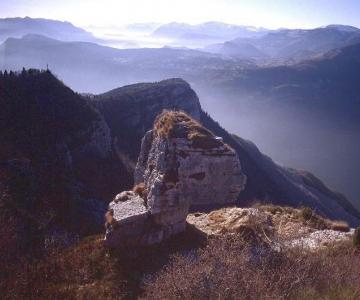
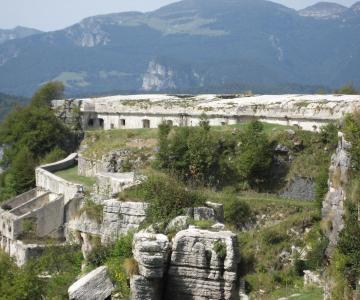
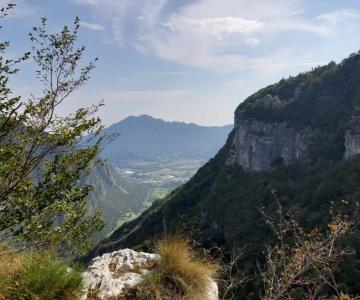
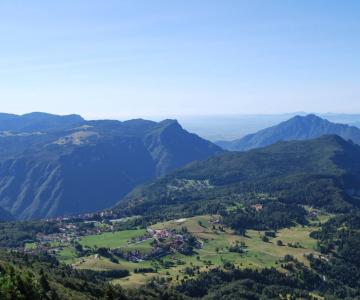
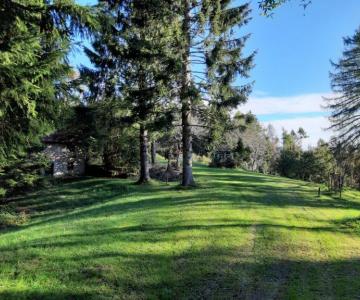
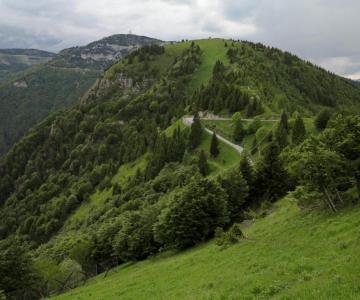
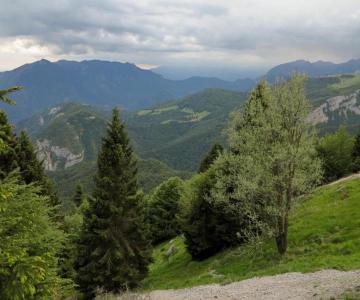
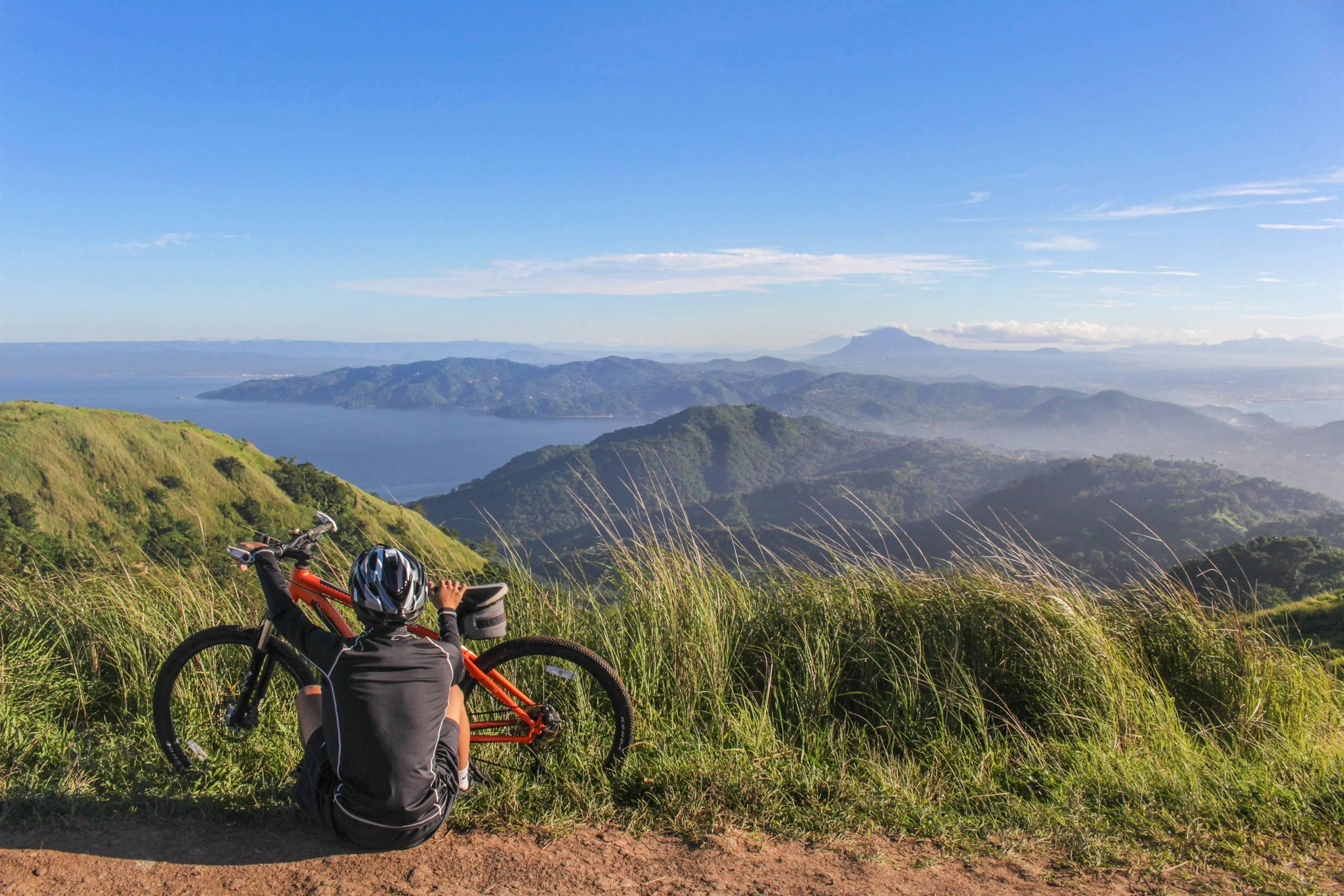
The archaeological area is located on a round hill at an altitude of 850 meters, in a strategic position for monitoring the Val D'Assa and the western part of the Plateau. A place that was once perfect for easy defense while also being open to trade and transit, especially of pastoral and metallurgical resources. It is believed that the Bostel area was frequented for over a millennium by various populations, from prehistoric to pre-Roman times, from the 13th to the 2nd century, as confirmed by traces and finds discovered in the area, from which their life and activities such as pastoralism, forestry, agriculture, and more specialized manufacturing activities have been reconstructed.
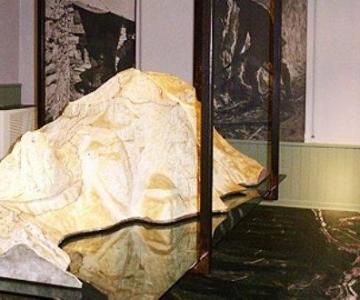
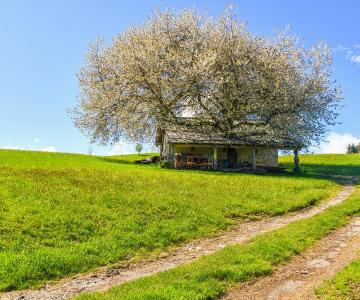
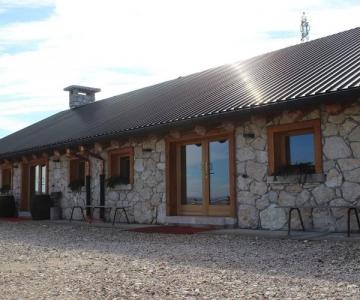
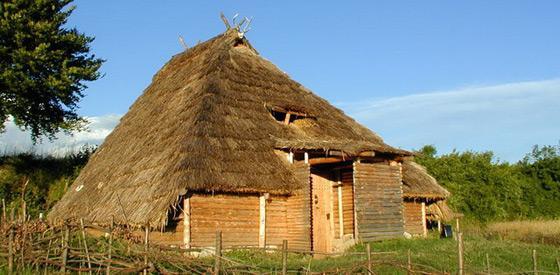
The main attraction of the site is the reconstructed Bostel hut, placed in the Iron Age, in the third century BC. The hut is made of wooden logs and has a roof covered with straw. Inside, some furnishings and technological solutions (lock) presumably similar to those in use in prehistoric times. (The museum and site are managed by Nea Archeologia, a cooperative working for education and dissemination of knowledge for all ages. Inside the park, the Baita is managed by Parco del Bostel sas and offers local and traditional dishes.)
Visits are made by reservation on Saturdays and Sundays at 10:00 and 14:30, info and contacts in the addresses listed above. (The Baita is also open again!!!)
Mask use is recommended and safety distances must be respected!!!