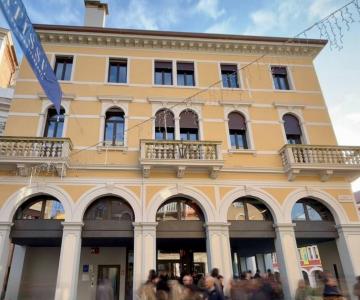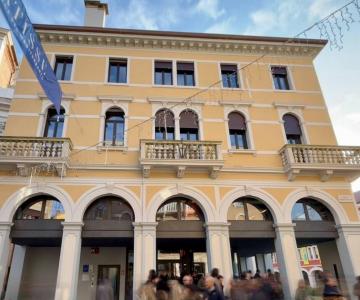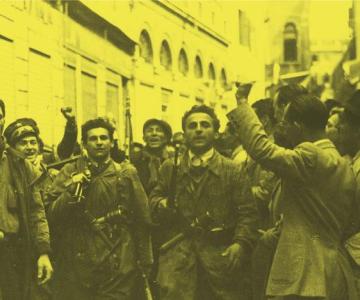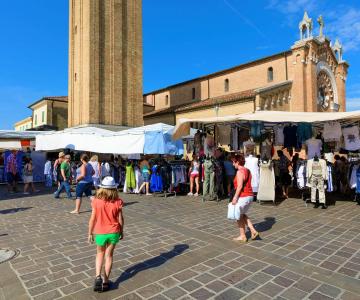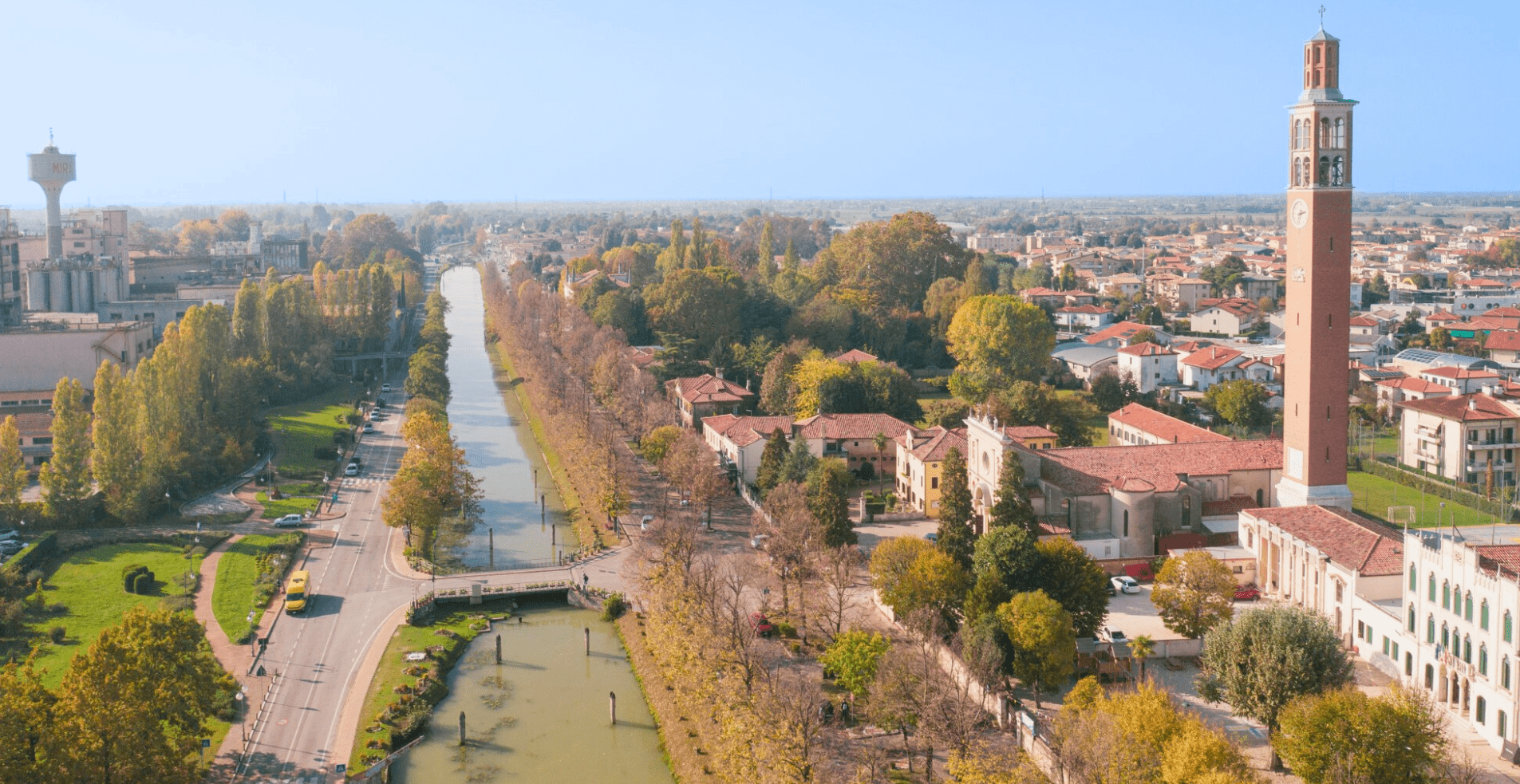
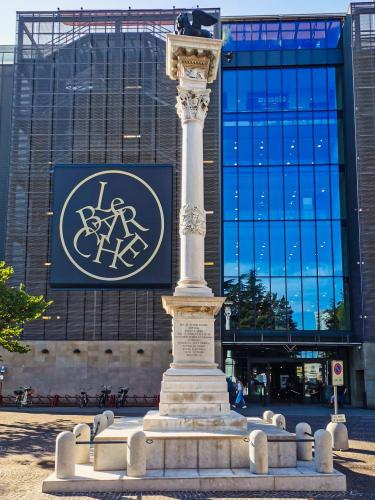
In Piazza XXVII Ottobre—known as Piazza Barche—a column commemorating the heroism of Mestre patriots during the revolutionary upheavals of 1848 stands.
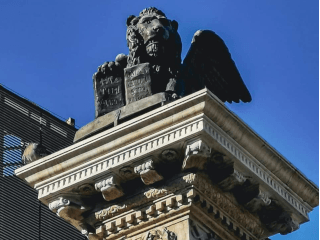
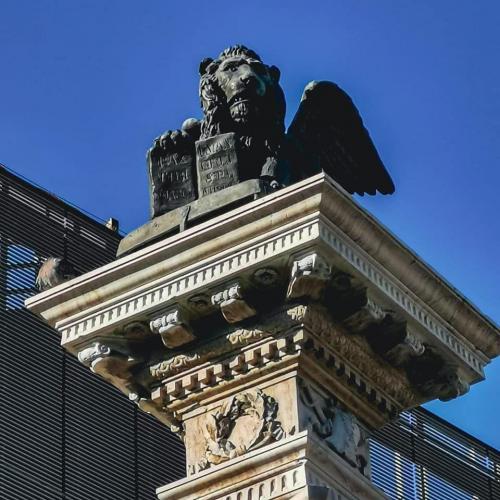
Inaugurated on April 4, 1886, this commemorative column, 11 meters high and made of Istrian stone by sculptor Angelo Seguso, is topped by a winged bronze lion, the symbol of Saint Mark.
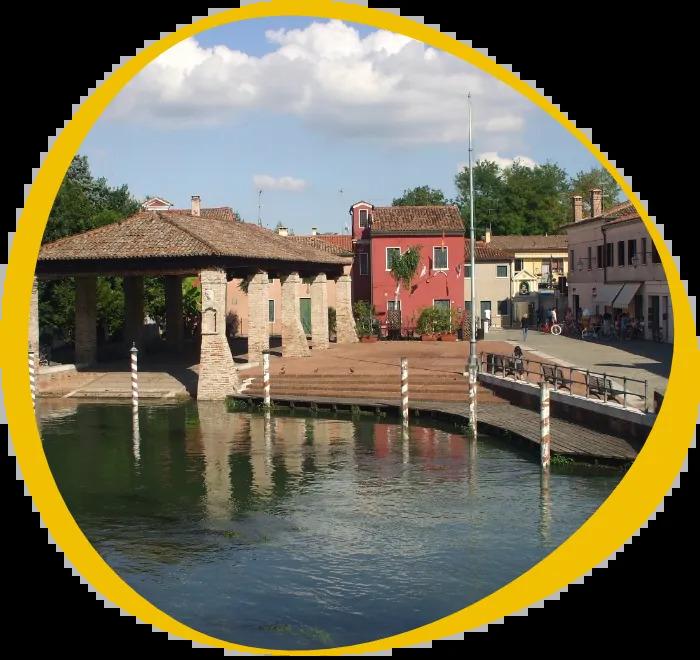
Its location marks the ancient arrival point of the Canal Salso, an artificial channel that connected Mestre to Venice, giving the square the name "Piazza Barche" due to the numerous boats that once docked there. This channel, originally known as Fossa Gradeniga, was created in 1362 by the will of Doge Pietro Gradenigo and later renamed Canal Salso due to the salinity of its lagoon waters.
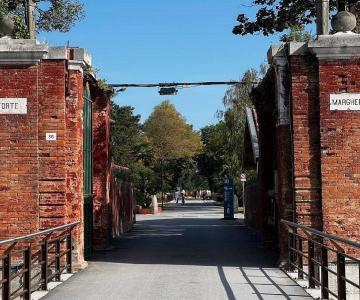
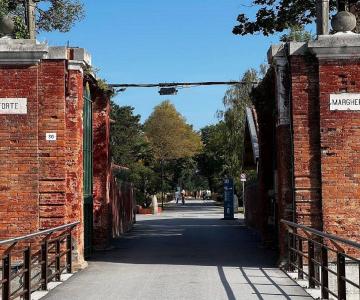
The Colonna della Sortita is not only a tribute to the courage of the Mestrini who, on October 27, 1848, temporarily wrested Forte Marghera from the Austrians—although they recaptured it shortly after, on May 27, 1849—but also a symbol of the city's identity.