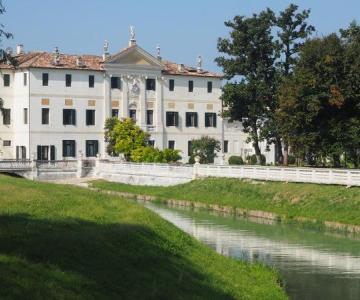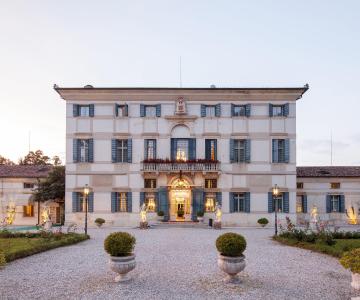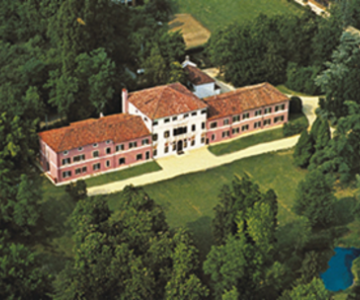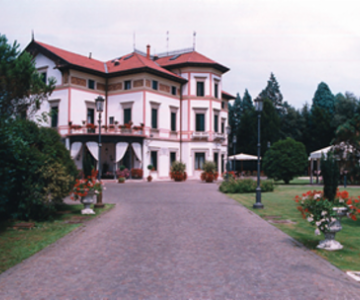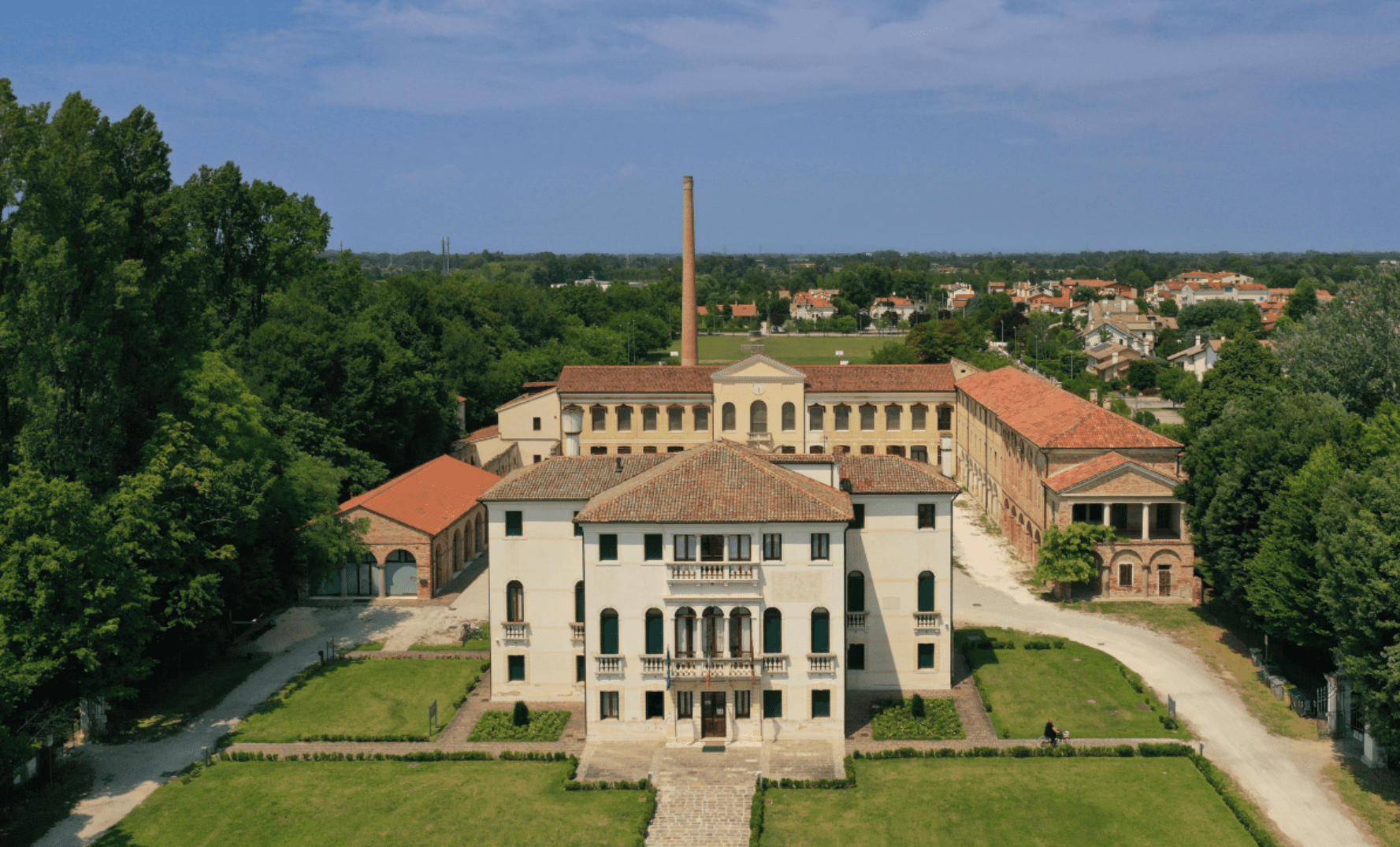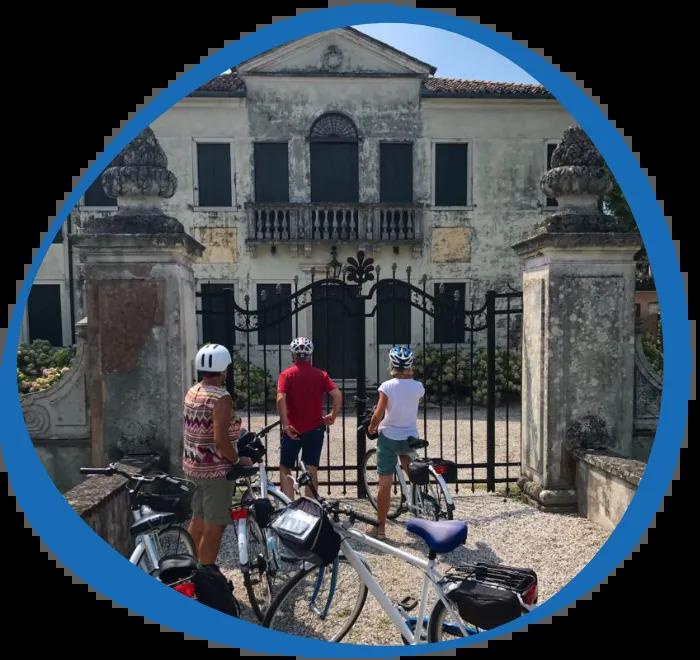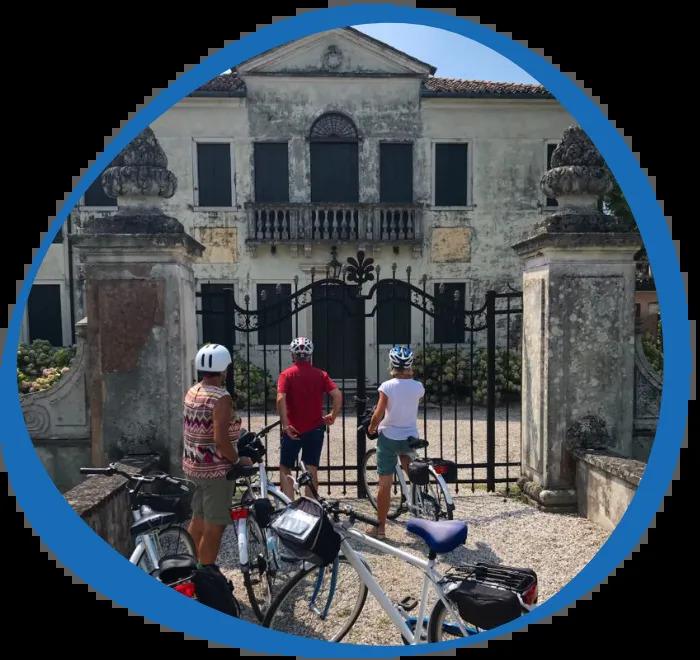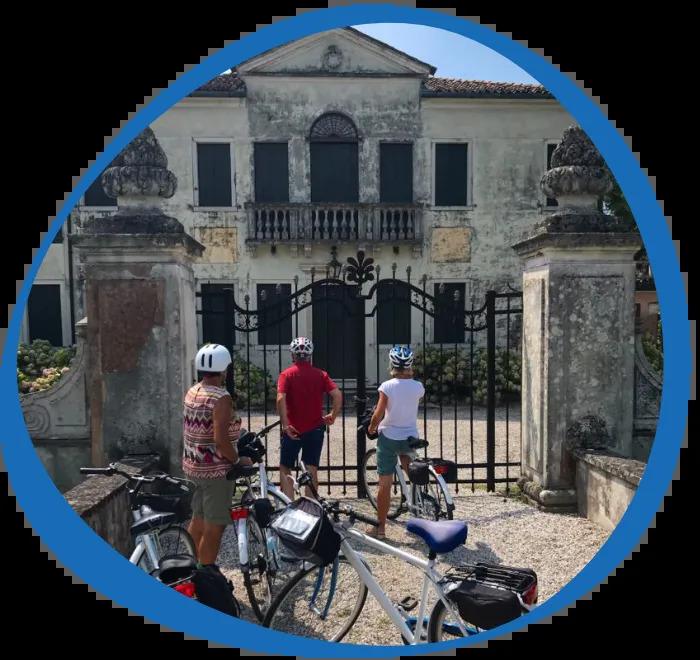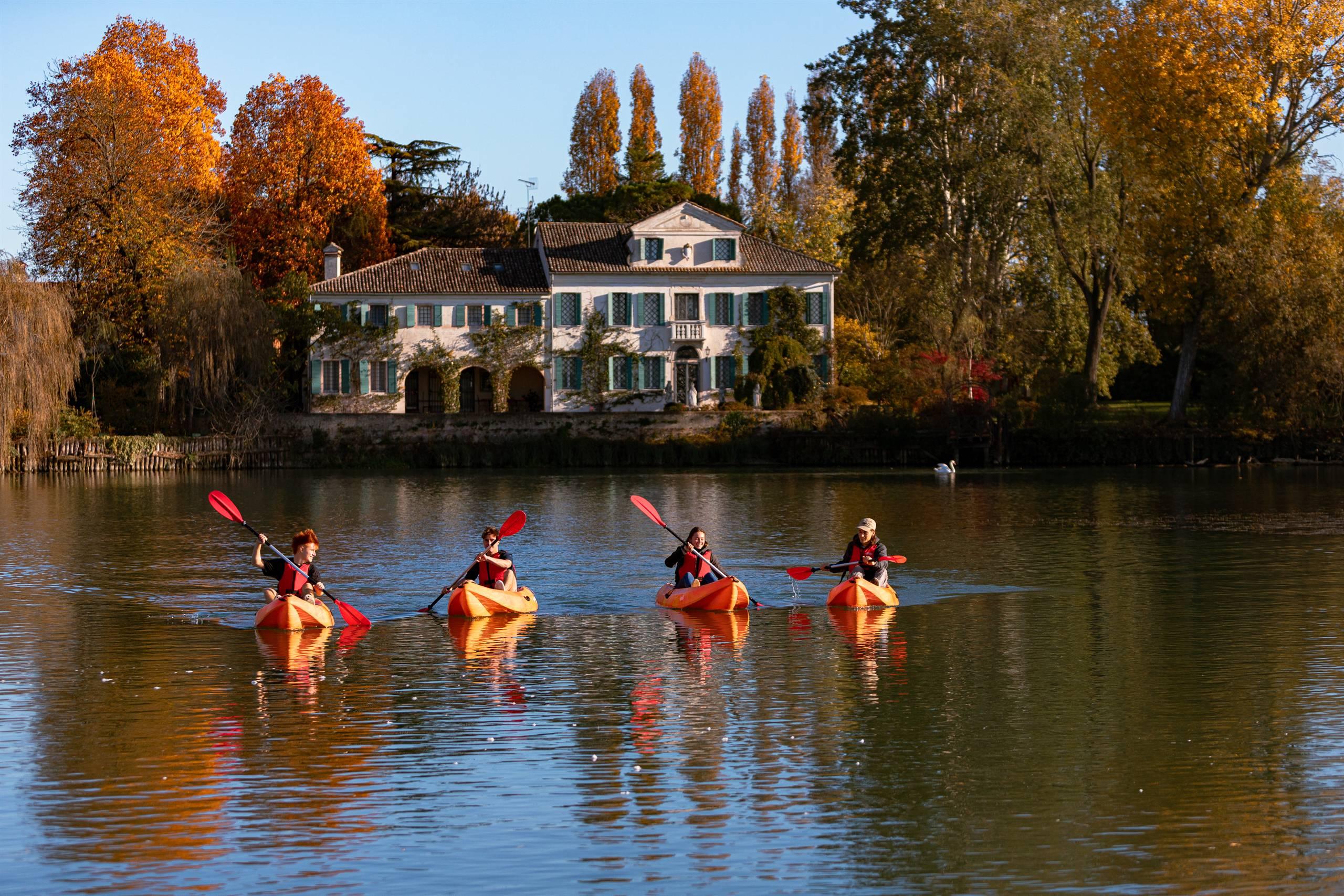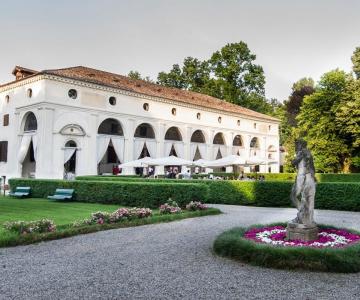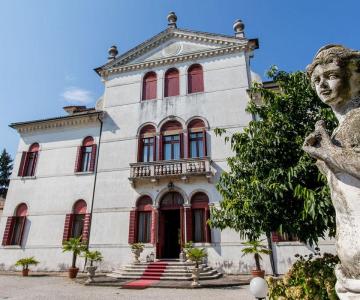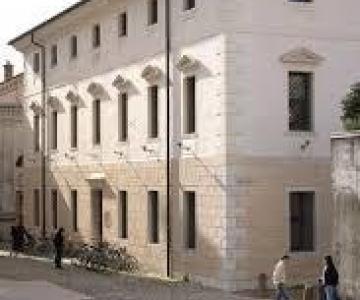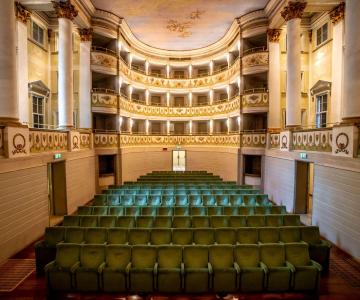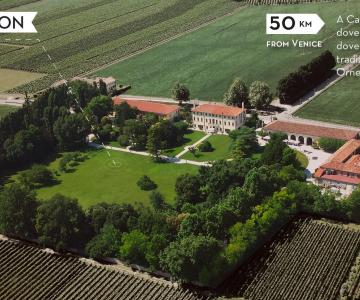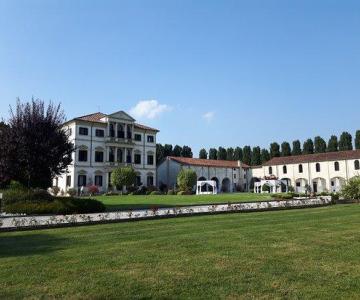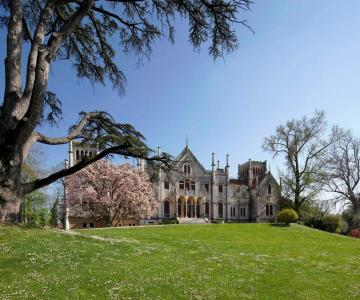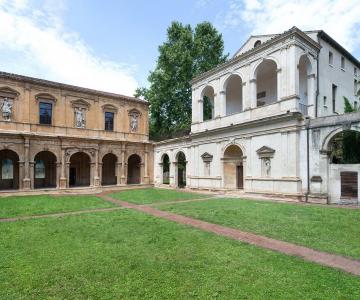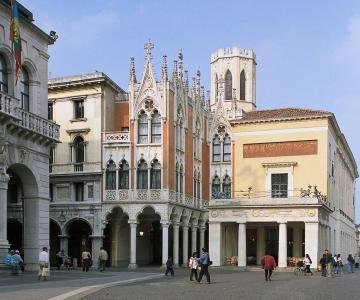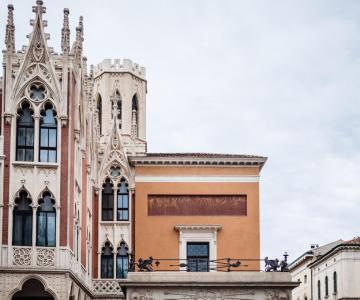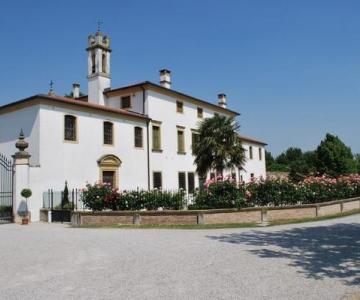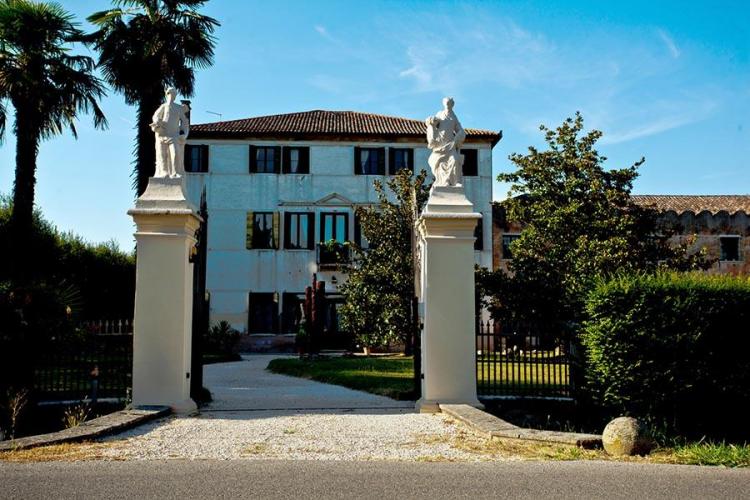

The villa, dating back to the 18th century and built on a pre-existing structure, was originally a country house for Venetian families. In 1968 it was purchased by the sculptor Toni Benetton, who transformed it into a residence and exhibition space for his works.
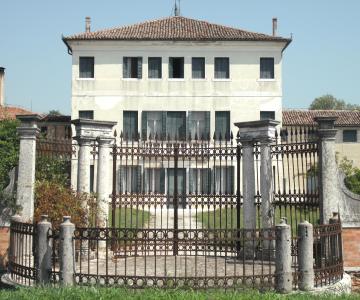
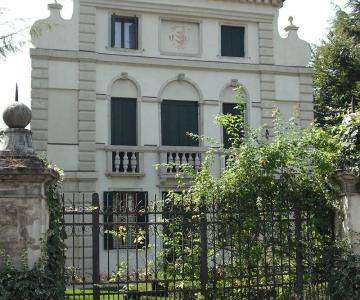
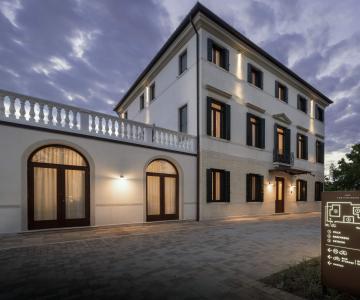
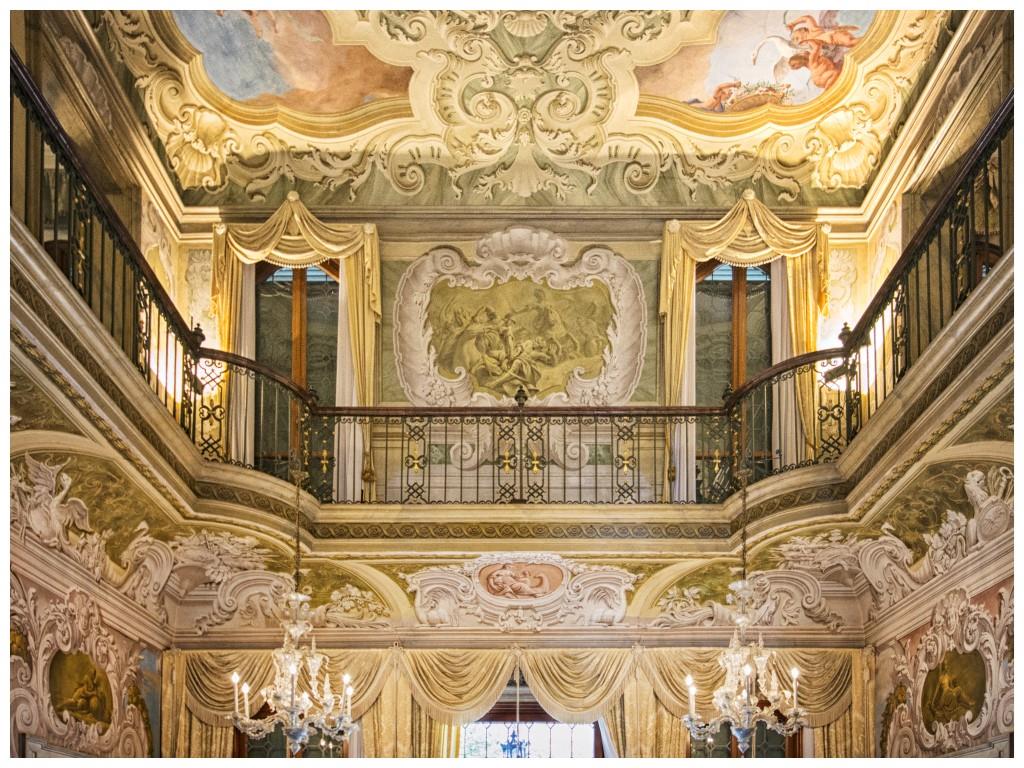
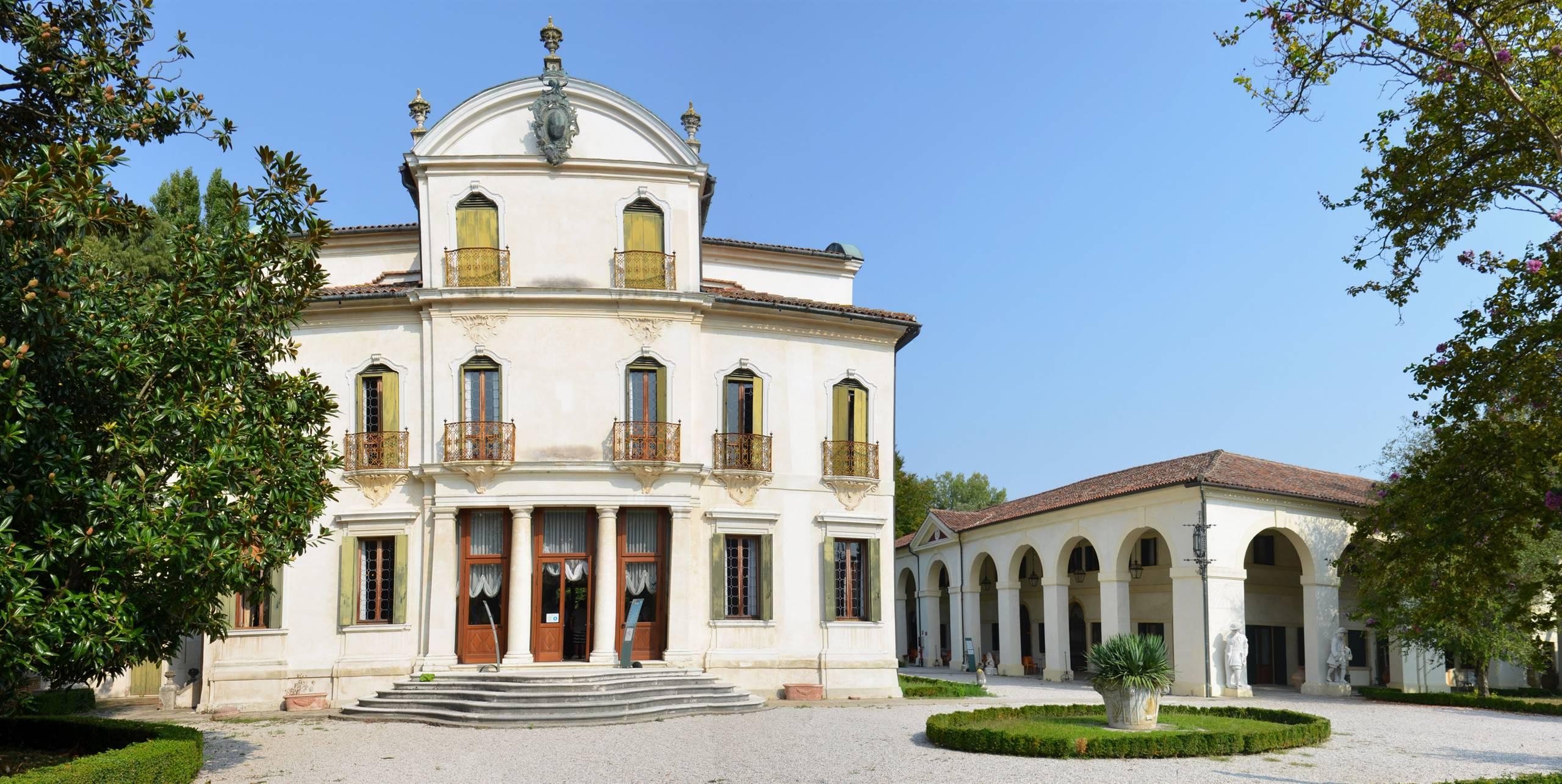
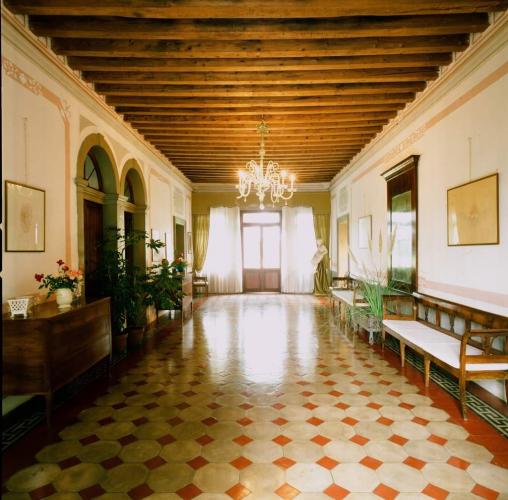
The structure features a Venetian style, with simple architectural lines. The facades are sober, decorated only by a wrought iron balcony and a triangular pediment. Inside, the ground floor has tiled floors and a "Sansovinic" ceiling, with walls adorned with essential stucco decoration. A living room includes an elegant red Verona marble fireplace, with painted decorations depicting boats.
The upper floors have Venetian terrazzo flooring with stucco also found on the ceilings. The first-floor salon retains four stucco panels that once housed paintings from the school of Marco Ricci.
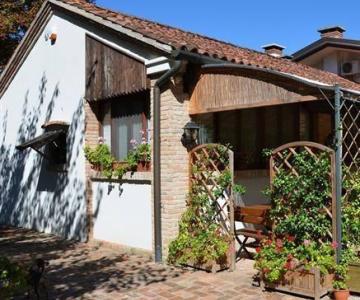
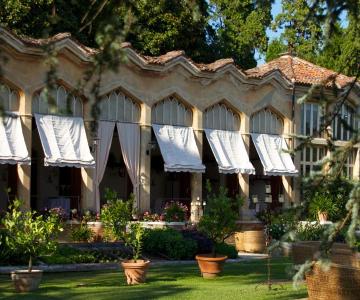
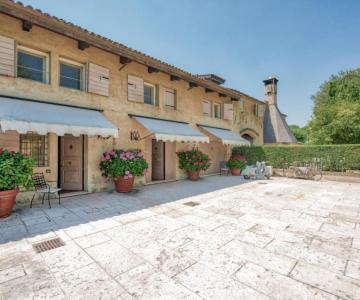
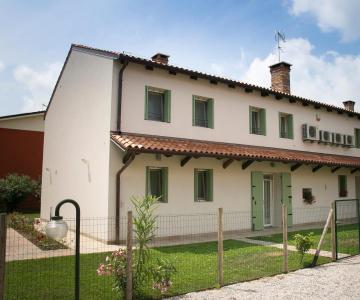
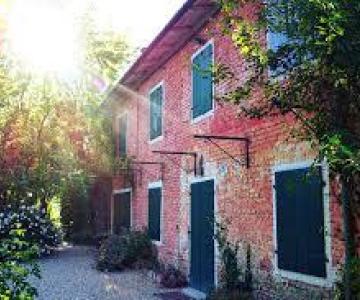
A long adjacent building houses various spaces: former cellars, a greenhouse, granaries, a restored "caretaker's house," a farrier's room, stables (with stone and wood troughs and wall paneling), and a second renovated residence. To the east extends the barchessa at double height, with offices on the ground floor and an attic area above the portico, decorated with bas-reliefs and a Robbiano medallion. The barchessa ends with a family chapel dedicated to St. Anna.
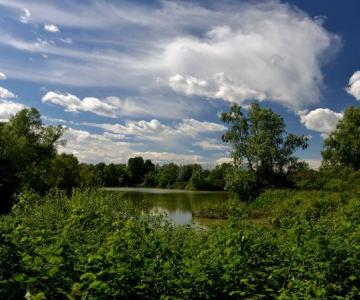
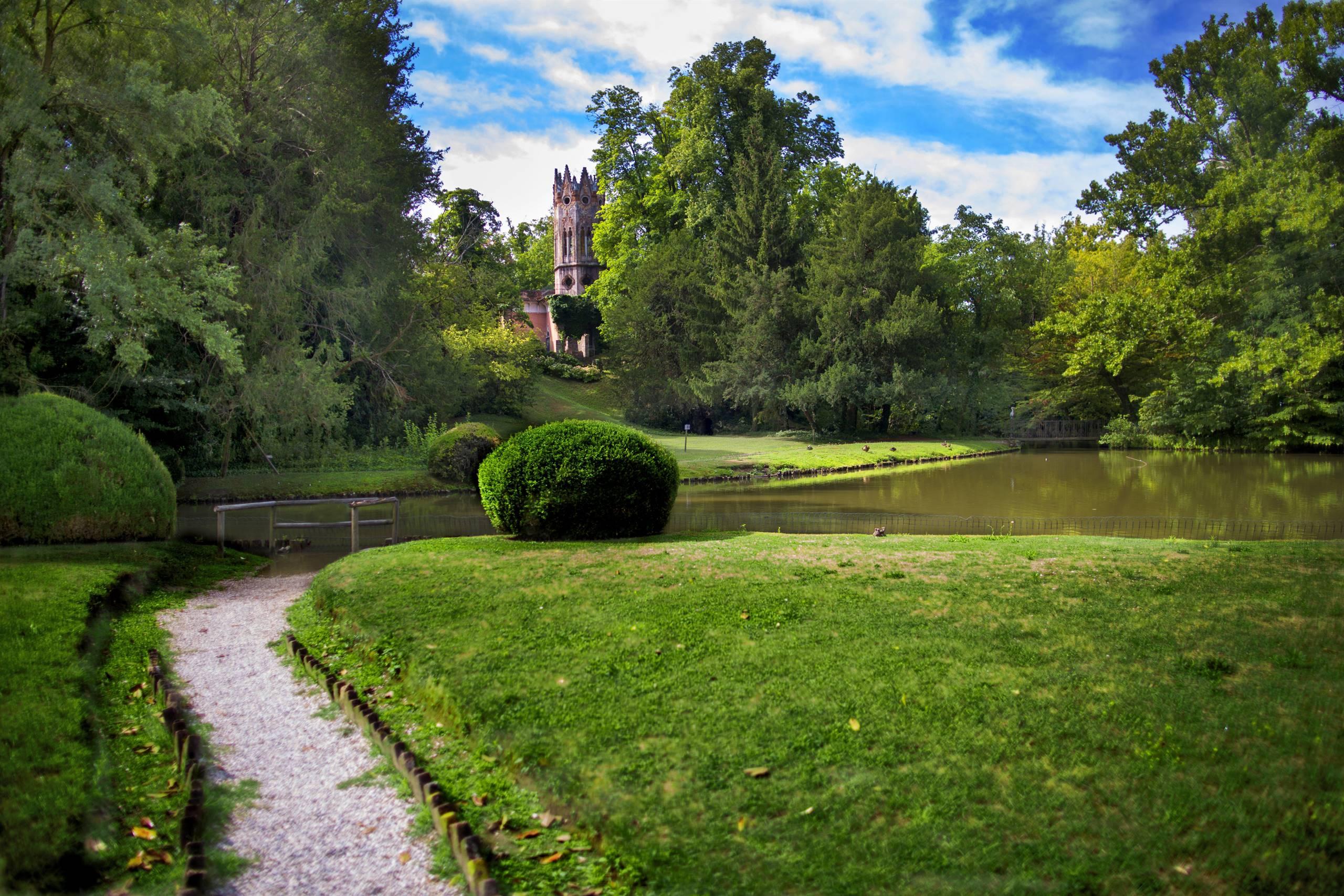
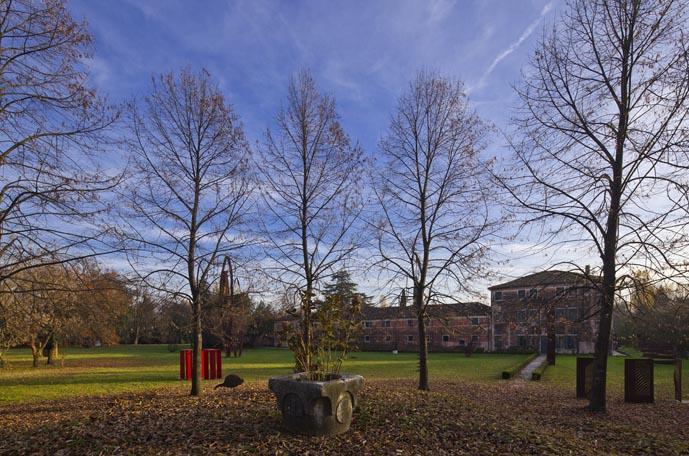
The villa is set in a park of about 20,000 square meters, with ancient trees, magnolias, a large Lebanon cedar, a central courtyard with a well, and hosts Toni Benetton's "Macrosculture," large works integrated into the landscape.
Currently, it houses:
- The Toni Benetton Museum, in the former cellars and greenhouse;
-
The International Academy of Iron, in the former studio of the sculptor;
-
The International Documentation Center on Iron and other metals, in spaces adjacent to the villa.