Archaeological areas related to the pre-Roman and Roman phase of the city
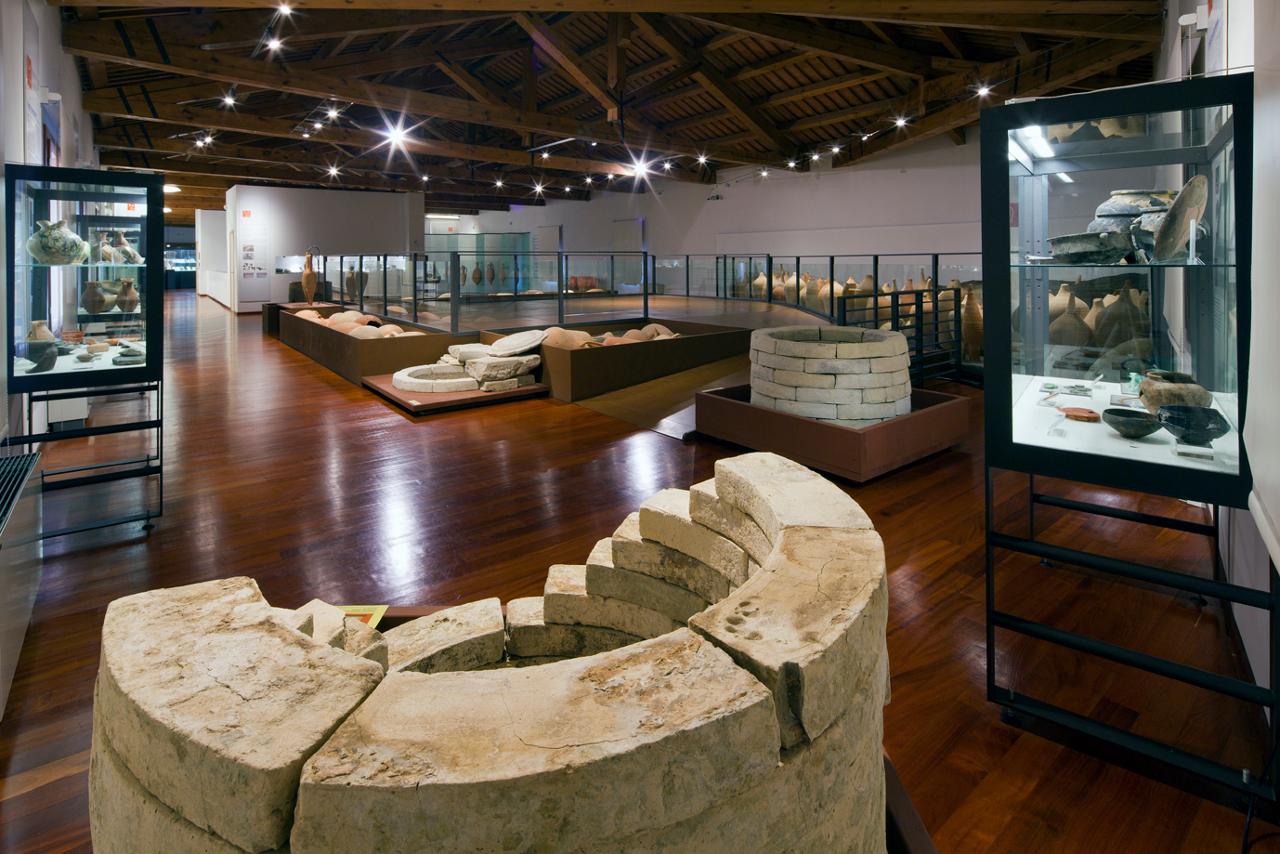
In addition to the Archeological Museum “Eno Bellis” , Oderzo includes some archeological areas related to the pre-Roman and Roman phase of the city. This is the result of the activity of preservation and protection carried out over the years by the Superintendence for Archaeological Heritage for Veneto.
Area of the Old Prisons ( Area delle Ex Prigioni)
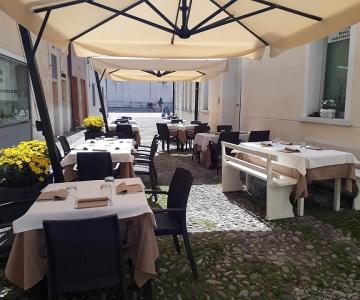
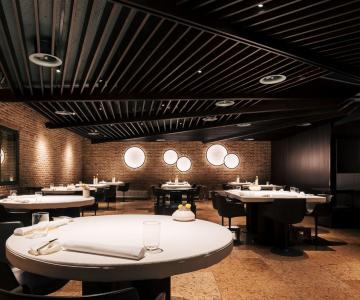
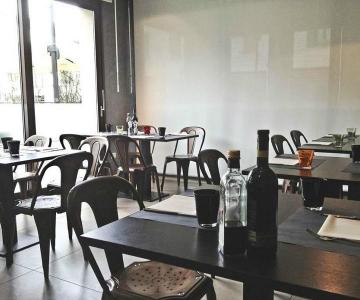
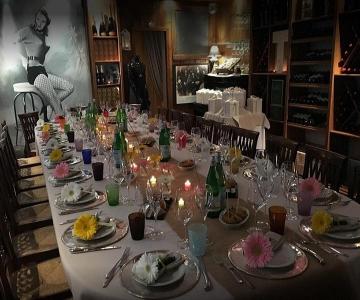
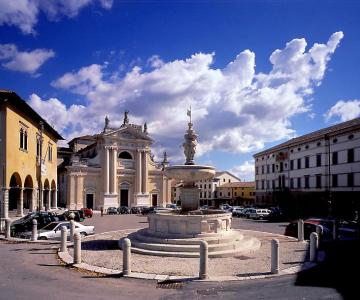
Near to Piazza Grande (the main square of the city, and formerly called Piazza Vittorio Emanuele) there is the restaurant Gellius, in whose rooms there are musealized archeological remains of an excavation carried out between 1992 and 1995. The area has a particularly articulated sequence of finds and masonry, whose dating includes different ages:
Augustea: foundation of the boundary wall and of a urbica gate of the Roman city, paved road;
Late Antique (tardoantica): phase of reconstruction of the city gate;
Early Middle Ages (Altomedievale): boundary wall with reuse of Roman elements, such as road bases, funerary elements, etc.
Medieval (medievale): remains of the walls of the castle attested from the eleventh century;
Modern-Contemporary (moderna-contemporanea): city prisons.
The paved road between Piazza Grande and Piazza Castello
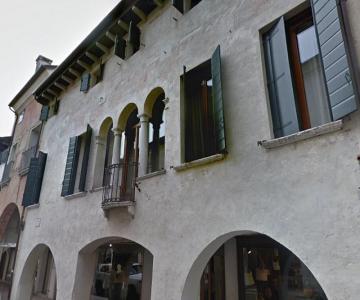
In the pedestrian gallery that connects Piazza Grande with Piazza Castello, are visible the remains of one of the cornerstones of the city. From the road axis, which crossed Opitergium ( Roman name used to describe the city of Oderzo) in the north-west/south-east direction, there are some stretches of the road base (originally four meters wide).
Area of the Roman Forum and Domus in Via Mazzini
Between the current Via Roma and Via Mazzini there is a large area in which are visible the remains of the forensic complex and a large domus (latin name used to describe an ancient villa), dated several times between 1978 and 1995. The Forum of the Augustan Age (end of I sec.a.c.- beginning of I sec.d.c) preserve the remains of the paved square, of which has been ascertained a width of 40 metres and length of at least 98,7 metres. Other evidences are related to the civil basilica (west side) and to the foundation of an imposing staircare (south side), probably attributable to the capitolium of the city (temple dedicated to the Capitoline triad). Along Via Mazzini are visible some rooms of a domus, formerly located at the corner of the two major roads of the city. Between the museum structures in situ, dating back to the Augustan Age (end of I sec.a.c.- beginning of I sec.d.c.), there are some valuable mosaic floors and white wrought with insertions of multicolored tiles, as well as the remains of an environment with hopycaust heating, referable to the spa sector of the house.
Via dei Mosaici
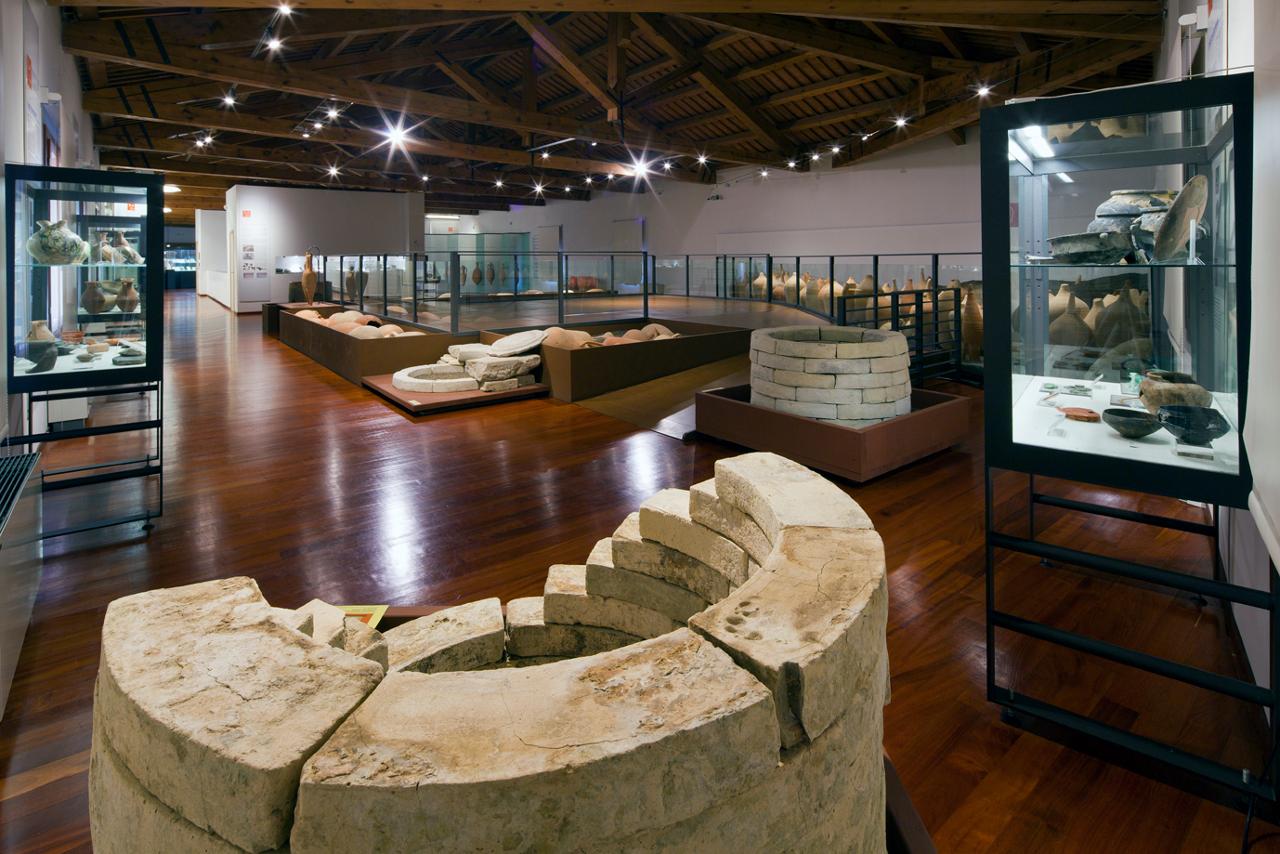
Along Via dei Mosaici, in an area characterized in Roman times by the presence of houses (domus) dated between 1951 and 1988, it is preserved the lower part of two wells. One of them is located in an area where are testified the two main building phases of a domus built in the Augustan Age and then modified in the II sec.d.c.; the other cuts an important stratigraphic sequence of the iron age characterized by several gravel roads. On the pavement of the square were placed two mosaic floors with white and black tiles belonging to the domus of the second century (above mentioned). A third pavement is exposed to the wall in the corridor of access to the modern building.
Via Dalmazia
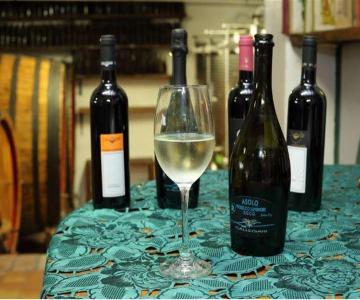
In the area of the Cantina Sociale in Via Dalmazia in 1989 were investigated a large stretch of gravel road background and the remains of at least one building of the Augustan Age (late I sec.a.c. - early I sec.d.c.). Currently it is preserved in sight, in the courtyard of the cellar, the lower part of a sesquipedalian well and bricks of which it has been ascertained a depth of m. 5,72 with respect to the current floor.
Sporadic finds near Piazza Grande and Via Garibaldi
Close to Piazza Grande there are materials without punctual origin, however likely to be “opitergini” (from Oderzo). On the north-eastern side of the square, not far from the course of the river Monticano, there are three fragmentary columns, two of which probably coincident with the “two stems of white marble columns 3 metres tall”, that used to lye in Borgo San Rocco (now Via Garibaldi) at the time of Gaetano Mantovani (1872-73). Under the high altar of the Cathedral of Oderzo, there is a fragment of mosaic flooring, found before 1924 in the domus area of Via Mazzini. In front of the cathedral, on top of two columns dating back to the 16th century in Piazzetta dei Grani, there are two stone elements in the shape of a vase, interpreted as the crowning of as many Roman funerary monuments. In Riviera Monsignor Visentin (along the river Gattolè to the south-east of the Dome) are visible some remains of a “basolato” (road pavement) and “crepidines” (sidewalks), found sporadically in the area at the end of the 80s. A last fragment of architectural decoration is walled at the base of the bell tower of the small church of Maddalena, not far from the Archeological Museum.