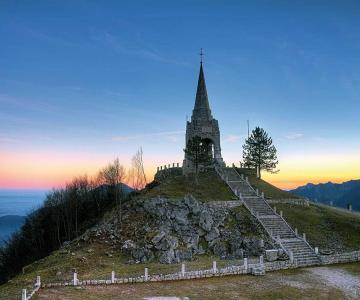

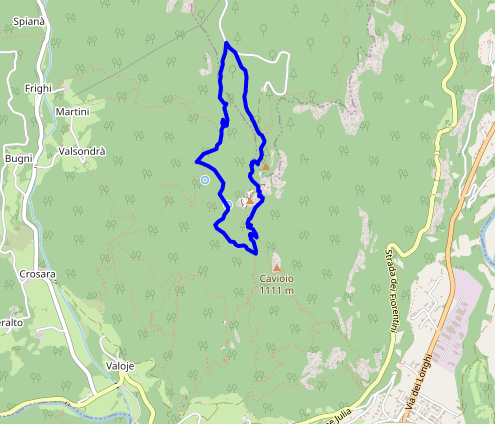
Location: Monte Cimone
Difficulty: Medium
Length: 8 km
Elevation gain: 130 meters
The trail to the Galleria di Cima Neutra offers this experience in a tunnel about 350 meters long located at the foot of Monte Cimone and not far from Monte Caviojo.
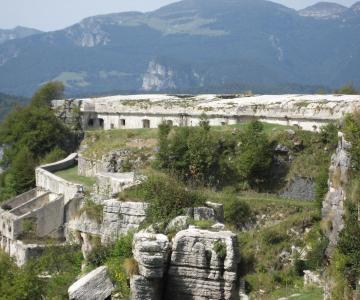
One of the most interesting routes to understand the scenario of the Great War that occurred in Tonezza.
CAI numbered trail with signage 540
Departure
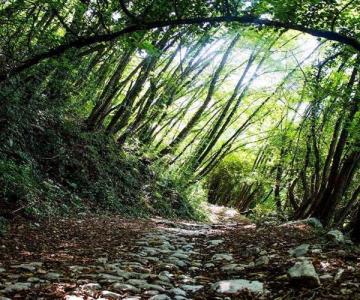
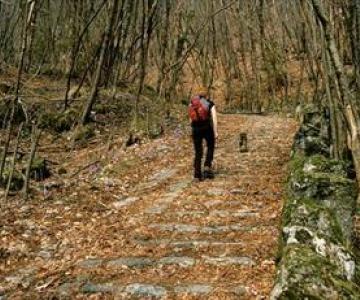
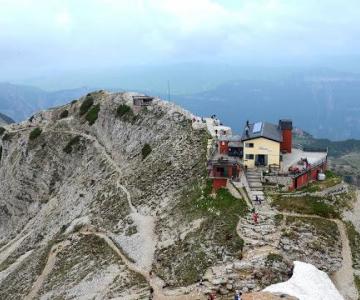
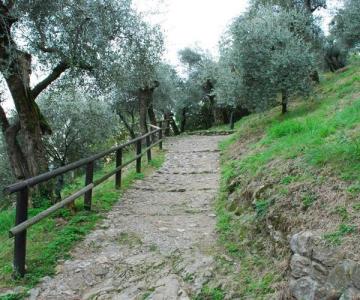
For the Sentiero della Galleria Cima Neutra the starting point is the Piazzale degli Alpini near the paved road that leads to Monte Cimone. You descend via the mule track towards a rough and stony path, and before the semi-curve on the rock wall, you can glimpse the boundary line of the two municipalities: Tonezza and Arsiero.
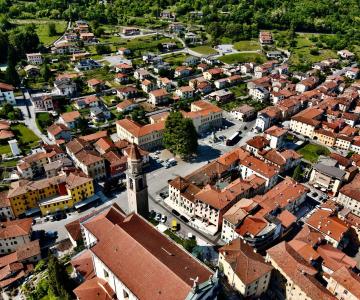
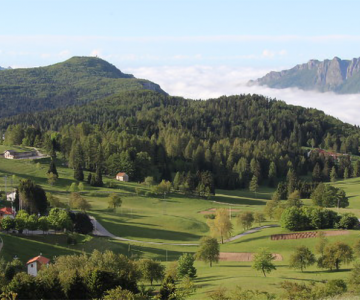
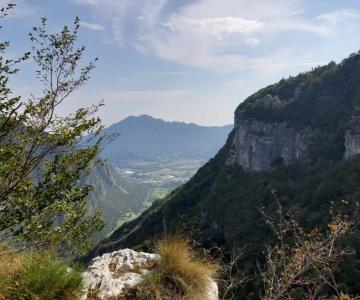
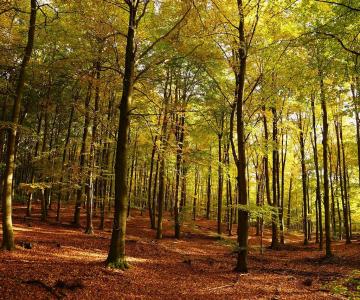
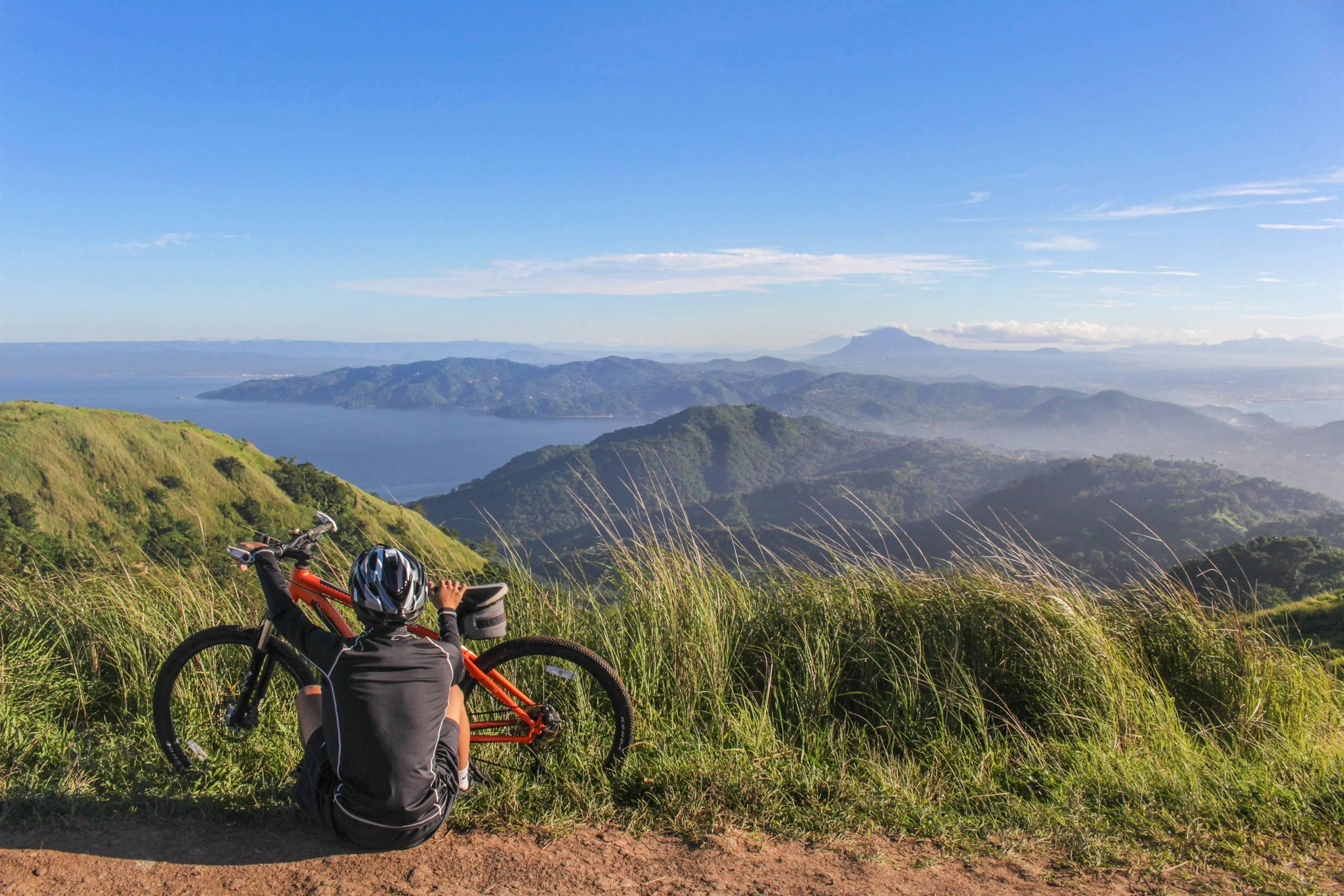
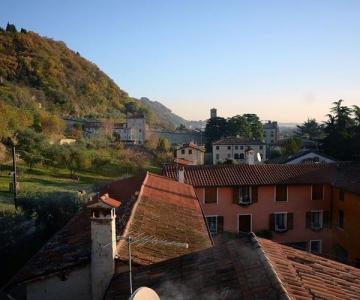
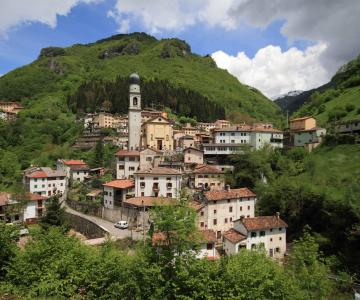
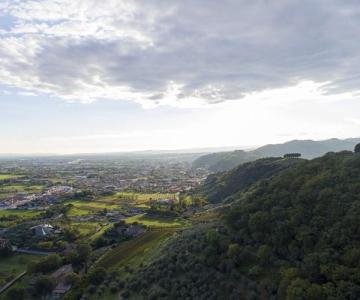
In this space, a wonderful panorama awaits you, offering a scenic view of the hamlets and valleys of the area. Continuing along this path, 30 minutes from departure, among beech and hornbeam trees, you will arrive at Cason Brusà.
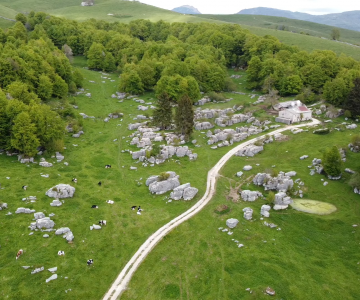
Between Monte Caviojo and Cimone
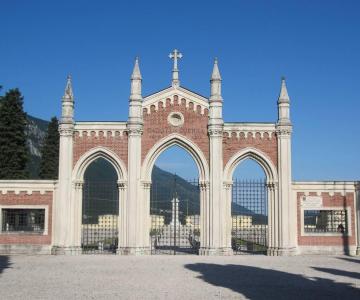
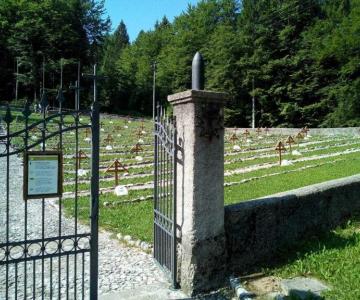
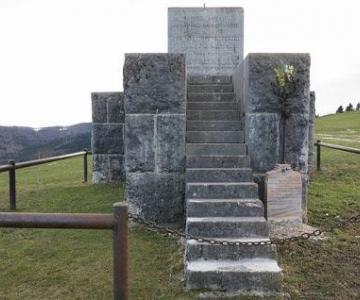
The route, with numerous ups and downs, meets that of the CAI number 541, which climbs towards San Rocco (Arsiero). The encounter with a fork will lead you to the Italian cemetery of Cimone, built in July-August 1916 during the Great War. Retracing your steps, the ascent resumes and, after passing through raspberry and nettle plants, you will reach the fork that leads towards Monte Caviojo and Cimone.
The Gallery
Shortly after, you will pass under a first tunnel that acts as a watershed between the Valle di Rio Freddo and the Val d’Astico. The second tunnel awaits you a little further ahead with a sign indicating its entrance. To traverse it, a flashlight is essential, along with gear to handle the humidity of the place. The tunnel, about 400 meters long, was built in 1917 to ensure the safe passage of men and vehicles from the front-line positions.
Reaching the summit of Cimone
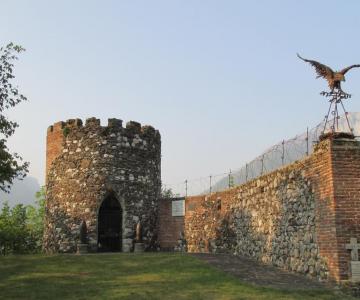
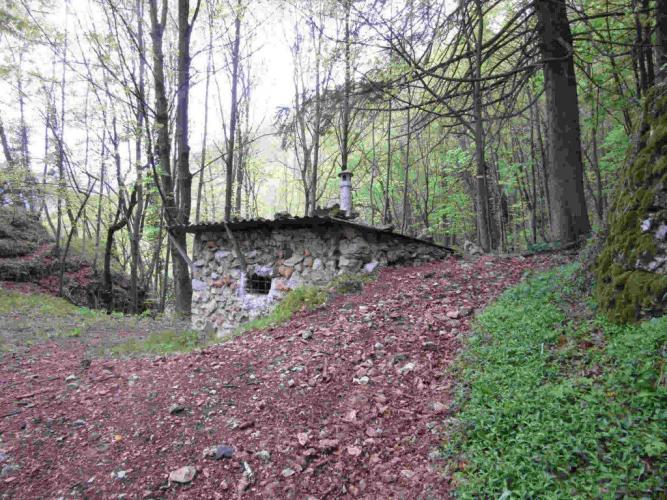
Upon exiting, you will resume the path to the summit of Monte Cimone: this last stretch is all uphill. Before reaching the panorama that awaits you, you can take a look at the outpost of the Italian soldiers who sought protection from the grenades and rifles of the Austro-Hungarian army around 1915.