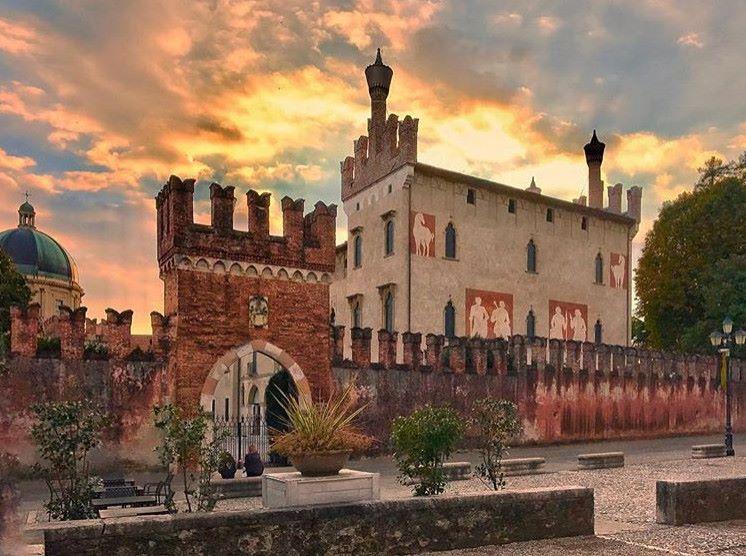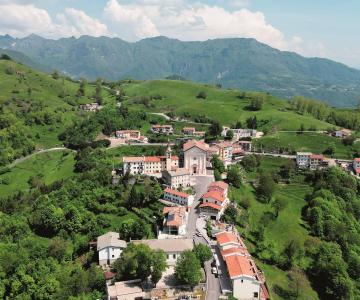

A Journey through art and literature, retracing the literary footsteps of Antonio Fogazzaro, family-friendly walks along the path of History.
Arsiero
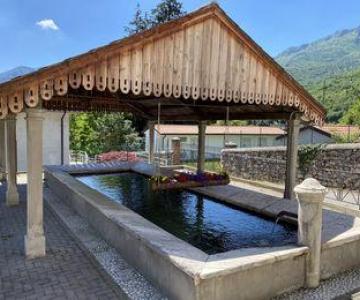
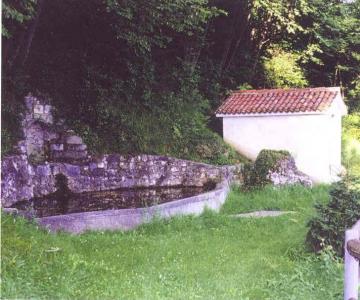
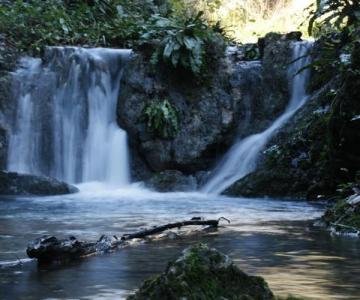
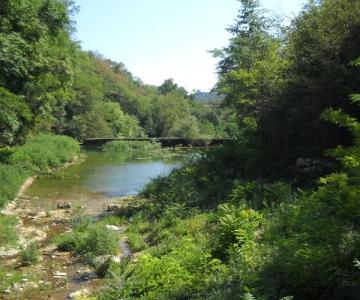
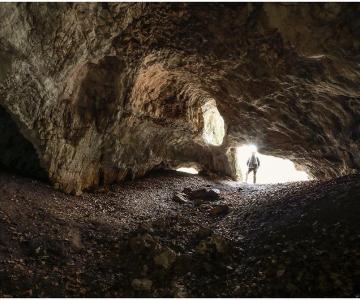
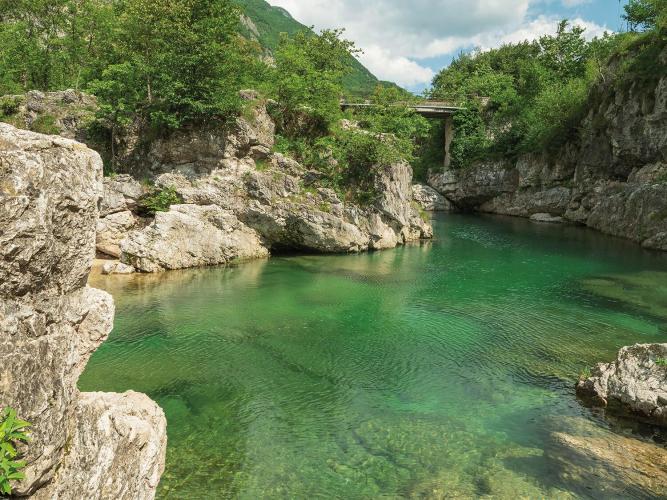
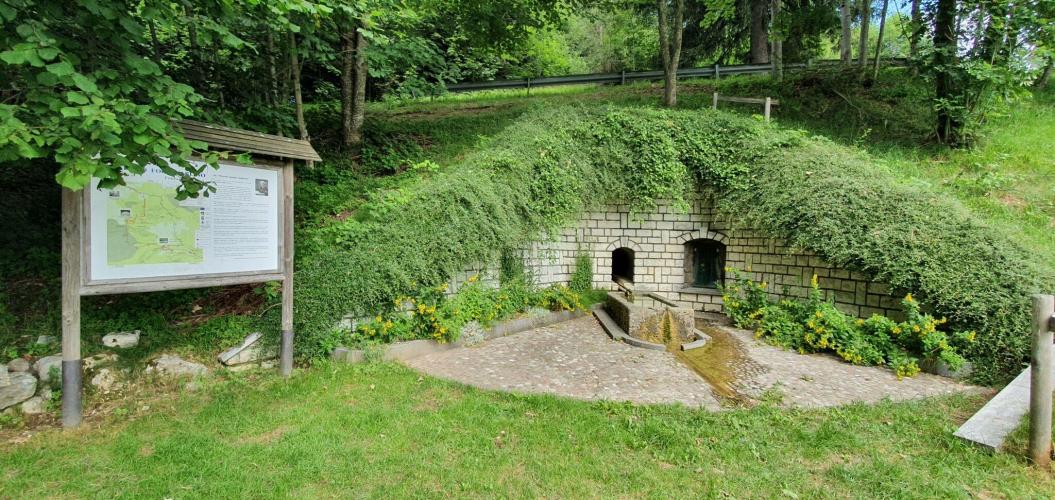
The Pria: an oasis of coolness and truly suggestive landscapes described in Fogazzaro's novel Daniele Cortis; a corner of natural paradise where water is the main character.
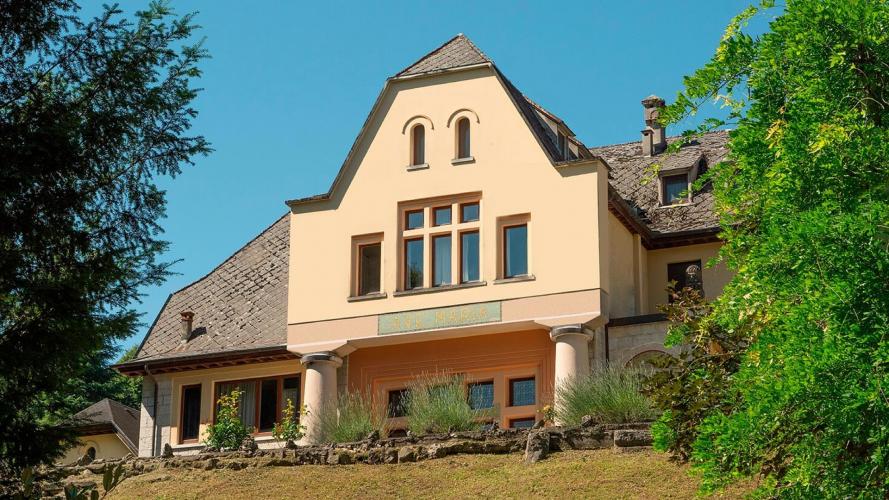
The Villino delle Rose: characterized by a rose garden, inspired verses by Fogazzaro, which are currently inscribed on a plaque next to the entrance. Roses are still cultivated in the belvedere in the hope of restoring the charm that characterized the Fogazzaro's era.
Santorso
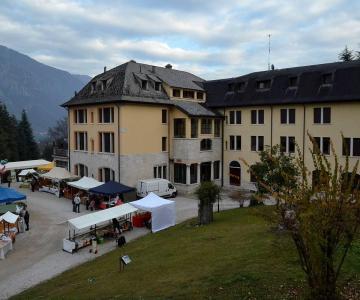
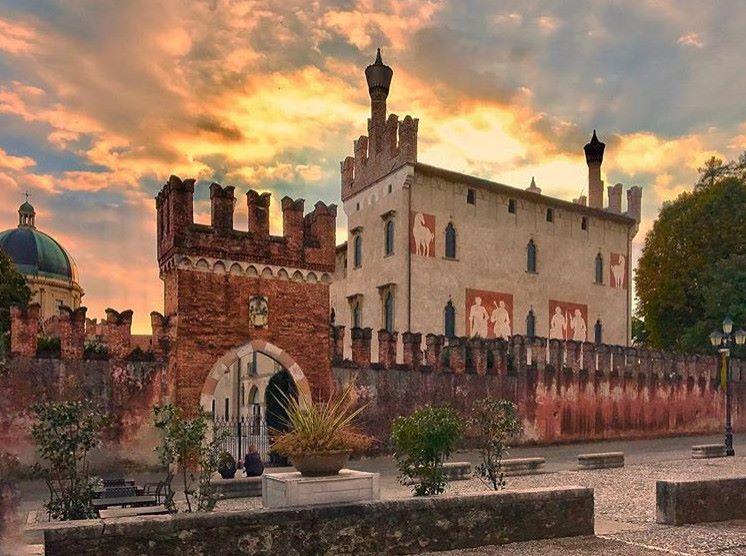
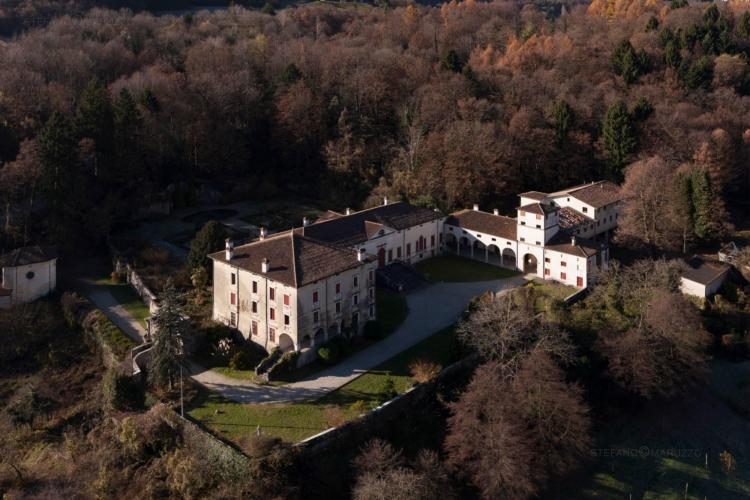
Villa Rossi: within the Villa, purchased in 1865 by Alessandro Rossi, there is also a small church and an underpass that connects the villa courtyard to the park.
The Fogazzaro-Roi Path: passes in front of the Villa.
Tonezza Del Cimone
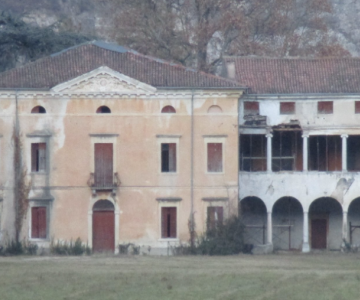
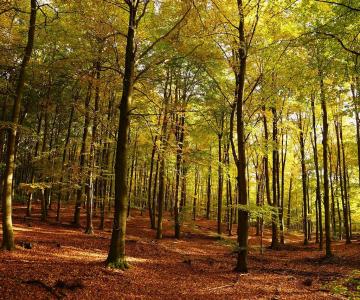
Villa Roi: known as "dei Faggi", is now dilapidated, but at the beginning of the last century, the daughter of the writer Antonio Fogazzaro stayed here.
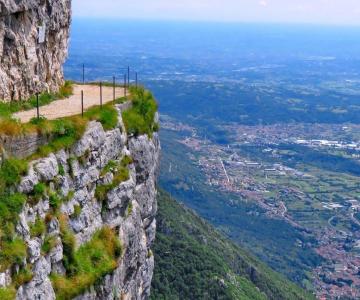
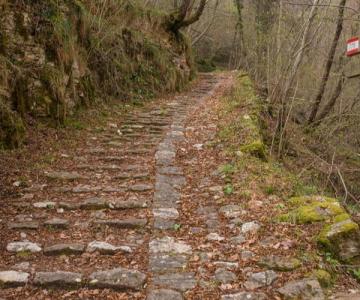
Fogazzaro Trail: shortly after passing by the Villa dei Marchesi Roi, there is a trail that meets the Chiosco del Gigante, the Fontana dei Noci, and arrives at the panoramic point Belvedere.
Velo D'Astico
Villa Montanina: located inside a park animated by two streams. Fogazzaro set his last novel "Leila" in Villa Montanina.
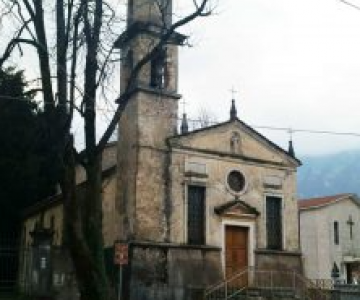
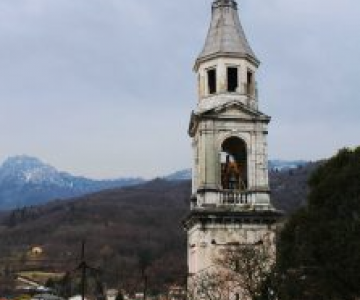
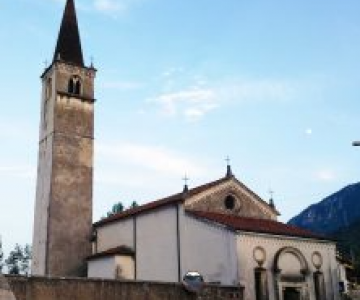
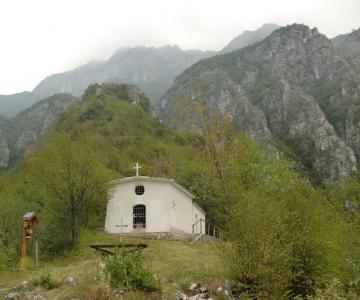
Chiesetta di Sancta Maria ad Montes: characterized by pointed roofs, the "querulous bell", arches, columns, and narrow arched windows.
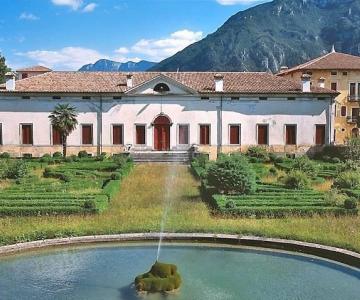
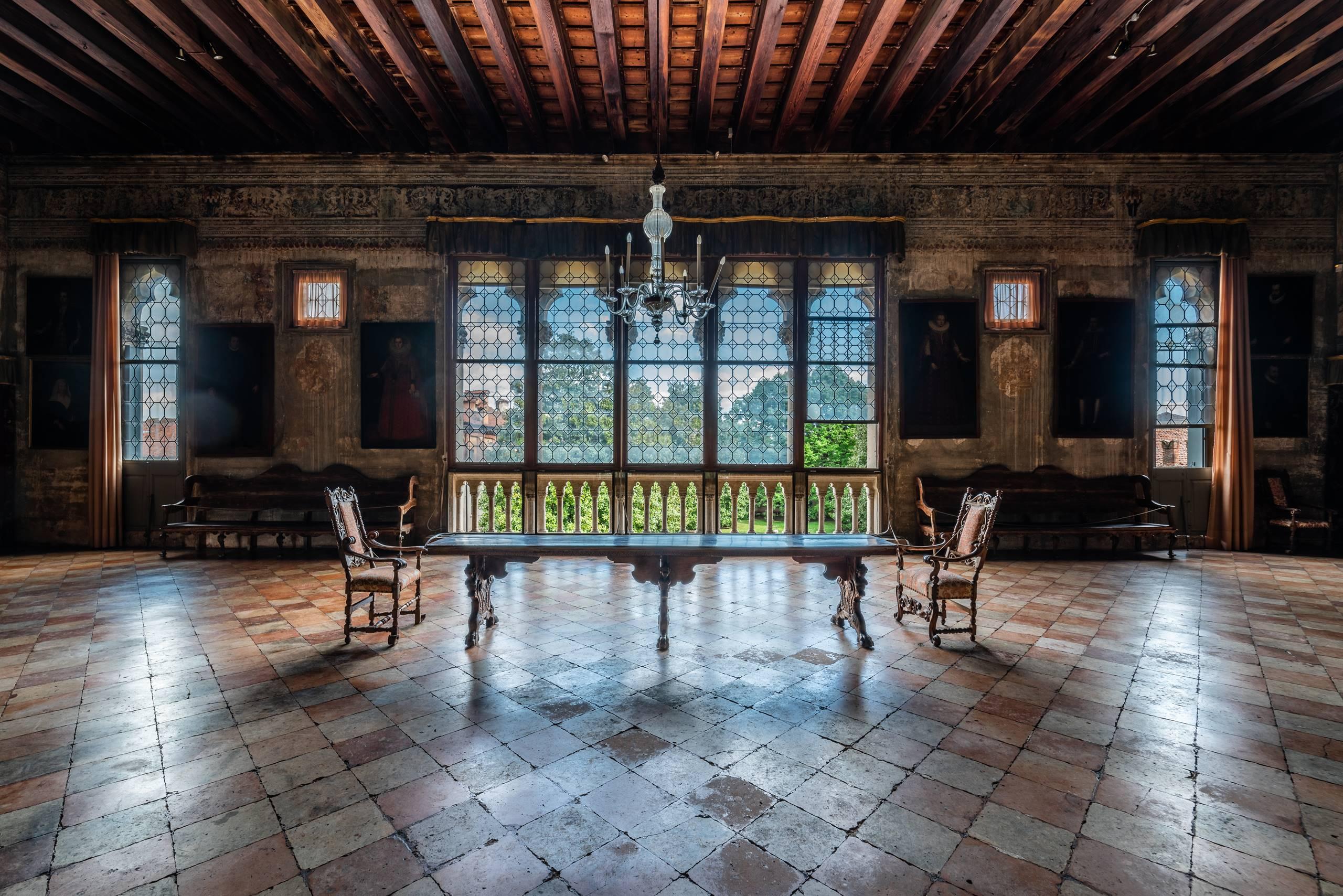
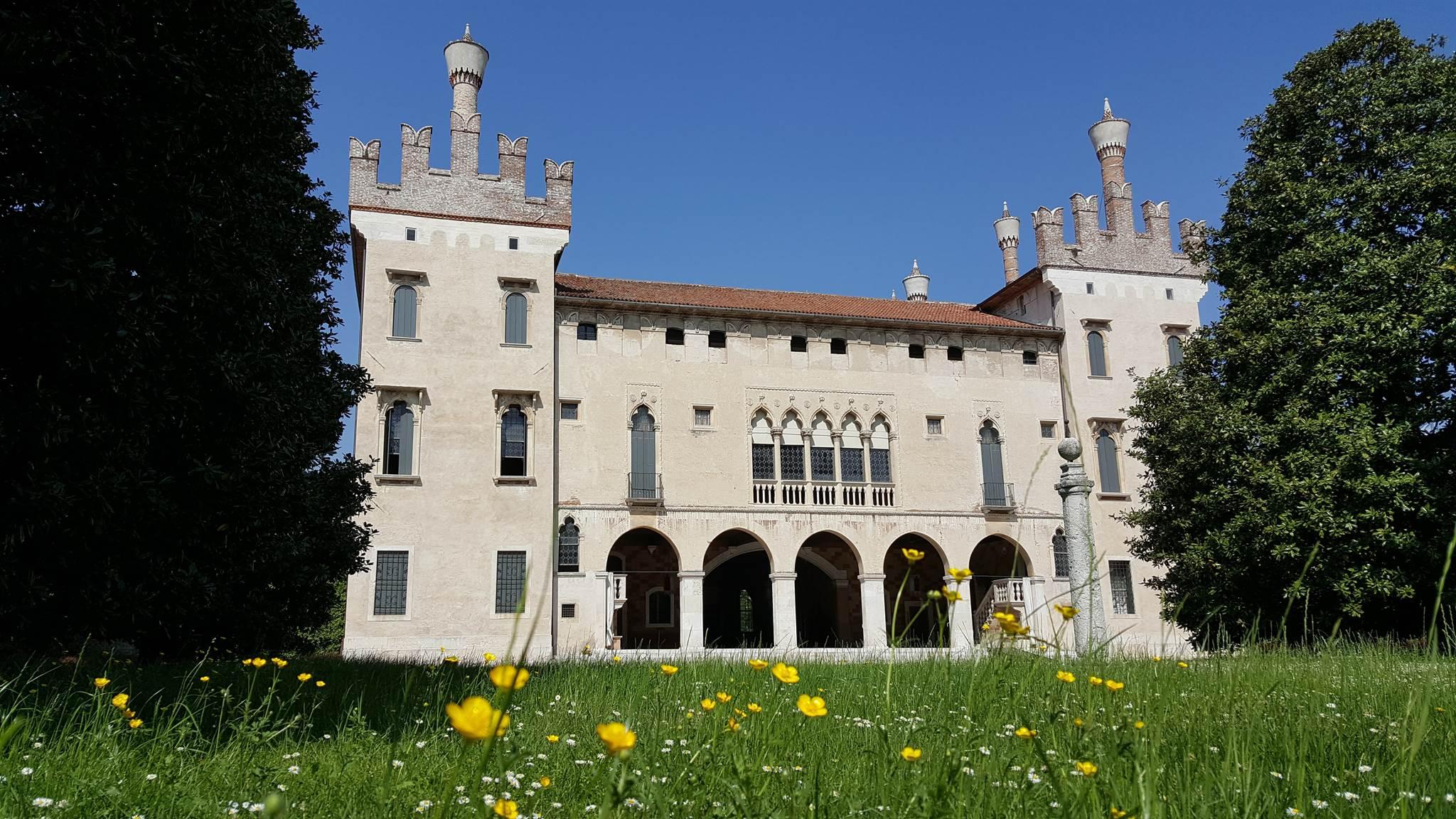
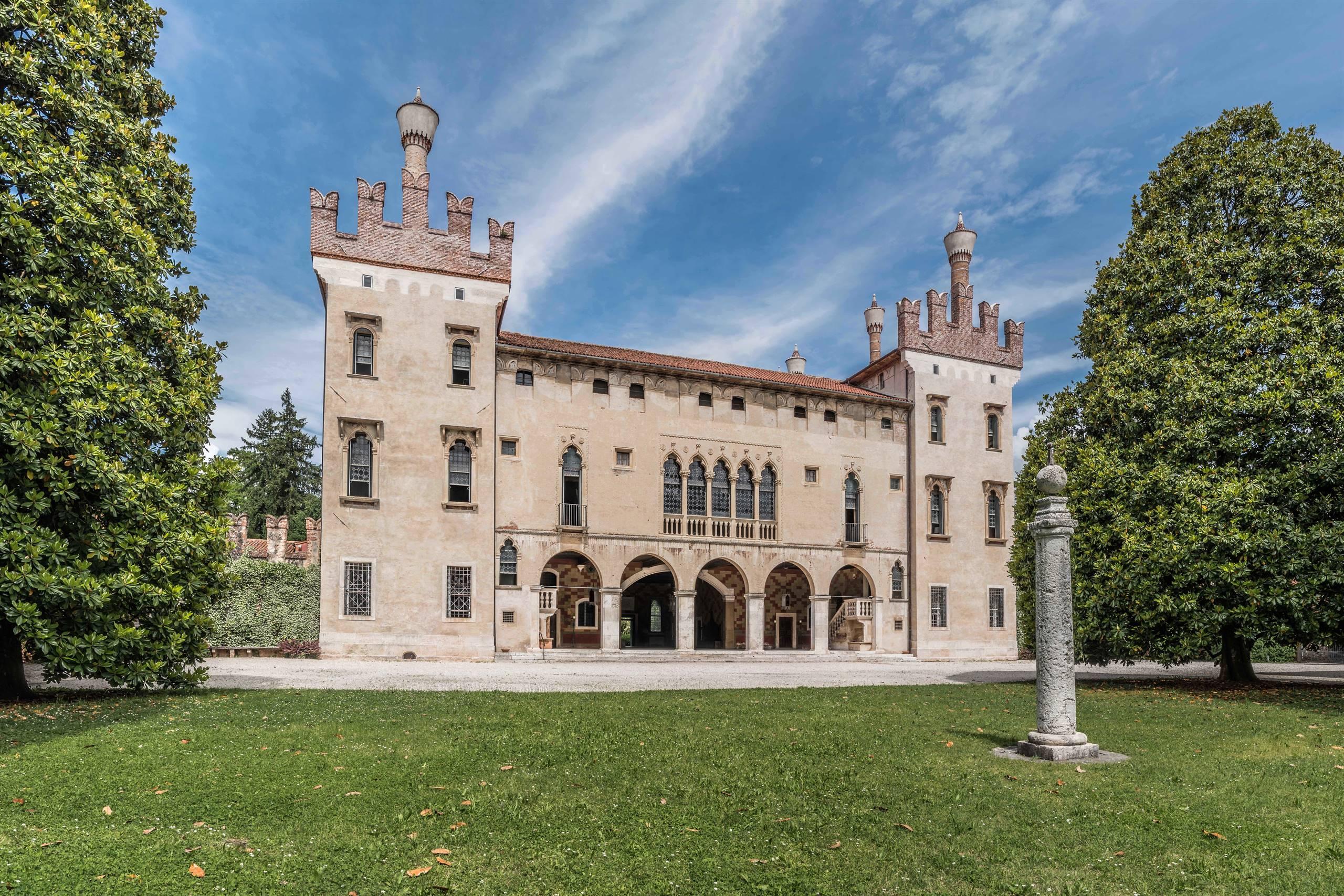
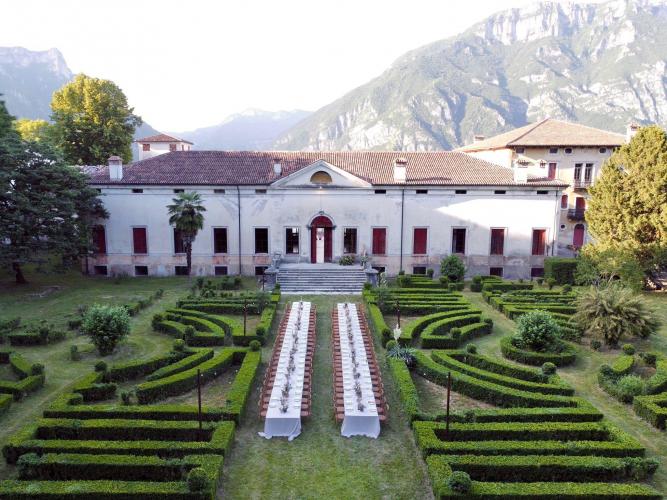
Villa Velo: of ancient origin, Fogazzaro transforms it into Villa Cortis in his novel. Composed of the Chapel of the Redeemer, the rusticated portal, the Palace, the 18th-century wing, the garden, the rustic part, the park, the Egyptian column, and the pond.
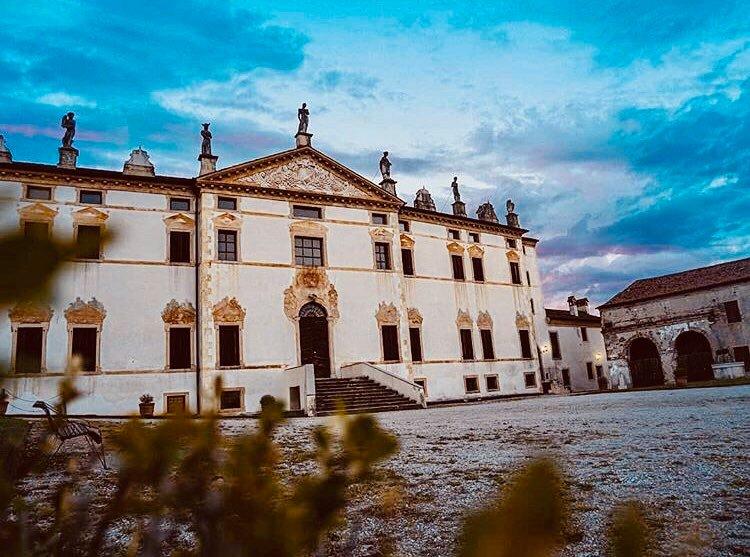
Villa Valmarana: once owned by Fogazzaro's mother-in-law, it is the place where the writer sets a large part of the novel "Daniele Cortis", referring to it as Villa Carrè.
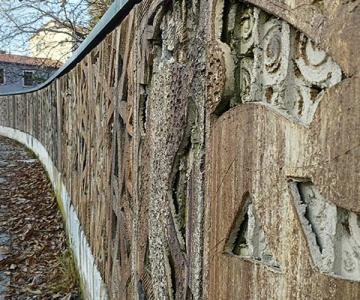
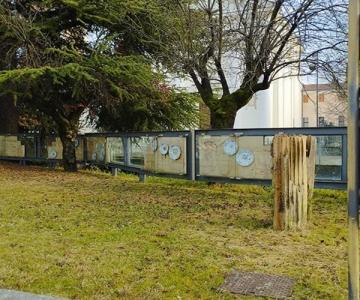
The Permanent Exhibition "A. Fogazzaro": a collection of photographs on the life of the poet and his era.