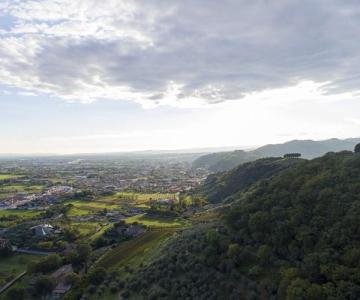
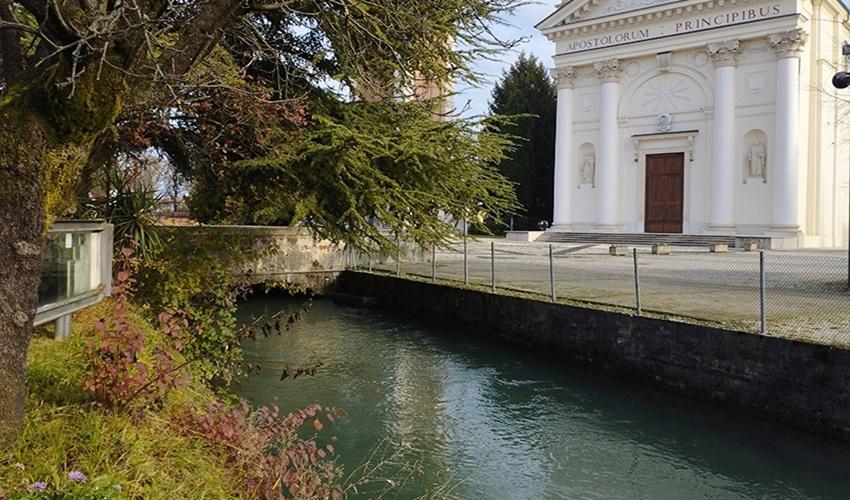
The history of Nove, located on the right bank of the Brenta River in the Bassano plain and a few kilometers from Marostica, finds its roots in the river itself, which, in the northeastern part of Vicenza province, reaches its widest point. The city's territory emerged from reclaimed lands, hence its name, 'Terre Nove' (New Lands). The Brenta River's proximity not only shaped the city's economic fate but also defined it as a 'land of ceramics.'
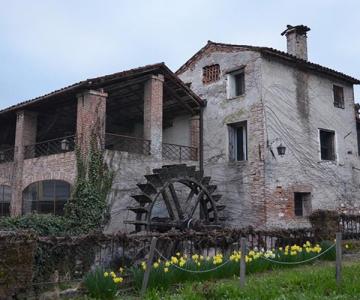
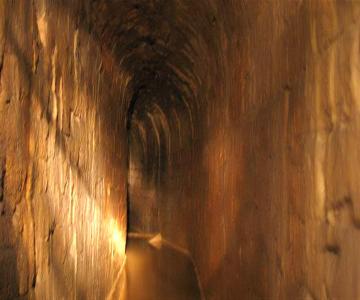
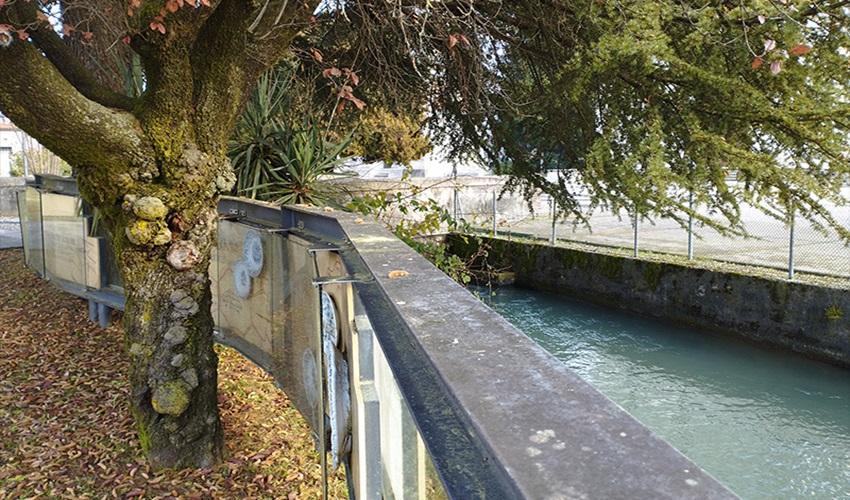
Alluvial deposits from the river—such as sand, gravel, quartz pebbles, and calcium carbonate—became essential components in ceramic production. The river's hydraulic energy powered mills, operating intricate machinery for mixing and preparing clays and varnishes. Moreover, the Brenta facilitated the transportation of timber for kilns and finished ceramic products. A network of artificial canals, including the ancient Roggia Isacchina dating back to the 1300s, was developed.
By the 17th century, the growing European demand for valuable Chinese porcelain led Dutch ceramists to replicate its production, penetrating even the markets of the Venetian Republic. In response, the Venetian Senate, in 1728, encouraged internal production by offering tax incentives to those capable of producing porcelain and enhancing majolica. The Antonibon manufacturing company became the fifth in Italy during that time to produce porcelain.
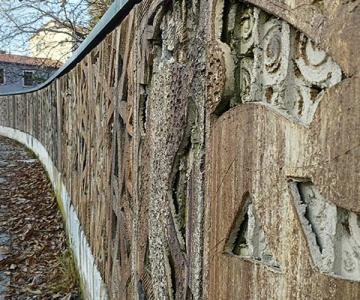
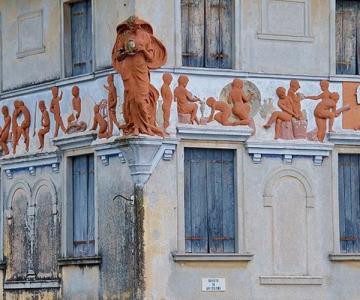
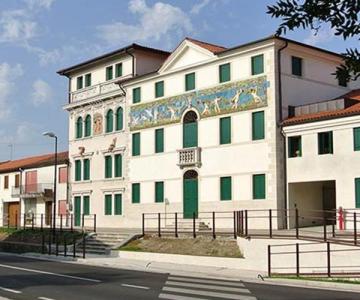
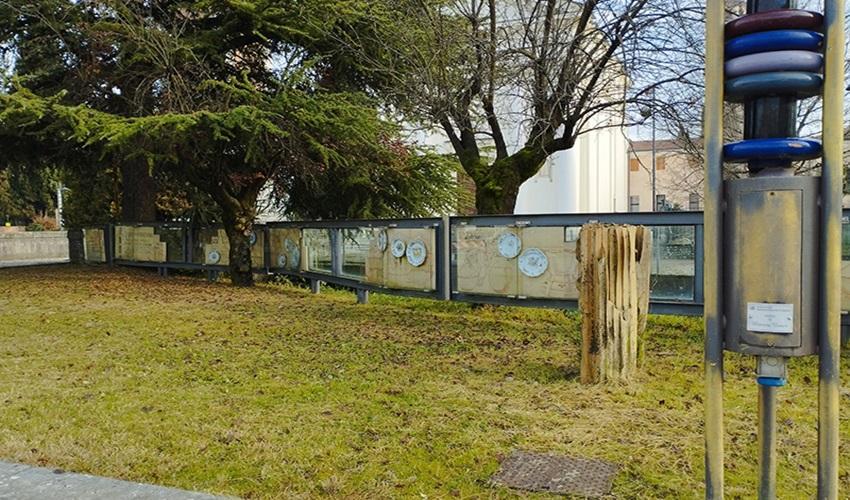
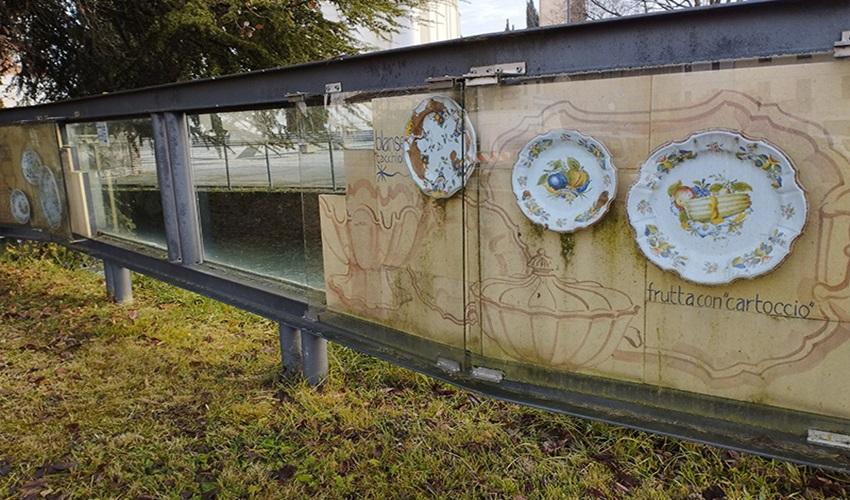
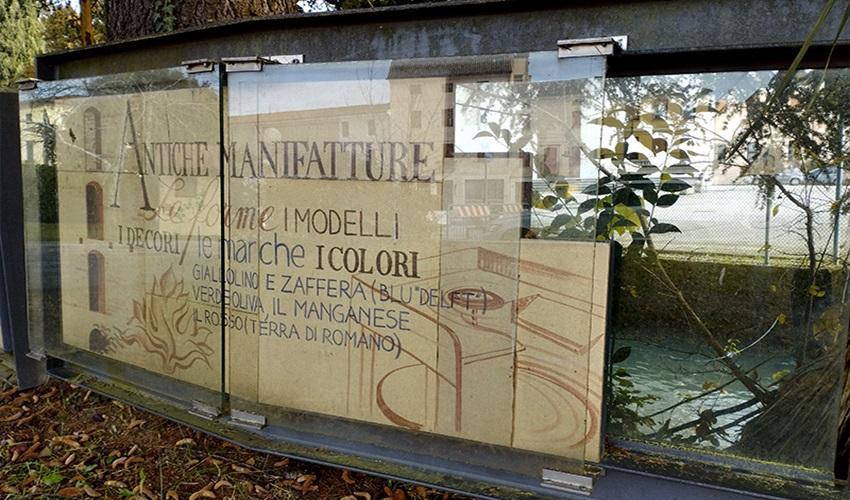
The 'Didactic Parapet' comprises 11+1 panels of various sizes, created in 1997 by Giulio and Flavio Polloniato, featuring texts by Nadir Stringa. These panels, adorned with glazed and decorated tiles, are situated on the east side of Piazza De Fabris. They vividly portray Nove's ceramic history from the 1700s to the early 1900s, highlighting the Art Institute and its distinguished directors. The panels exhibit plates and tableware, showcasing prevalent decorations from different eras.
The series culminates in a town map, marking significant historic buildings and a list of ceramic companies in the area.