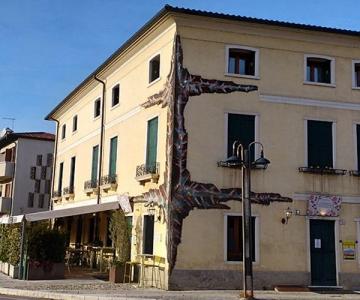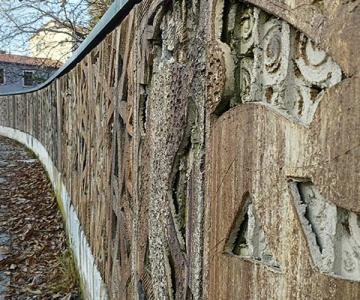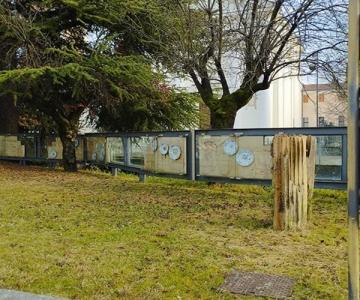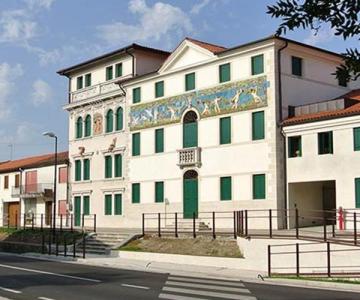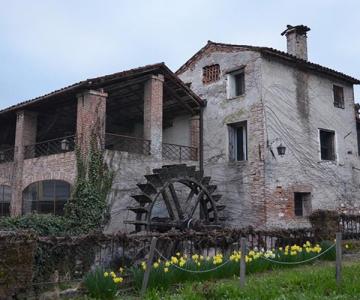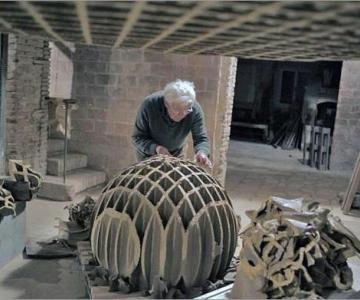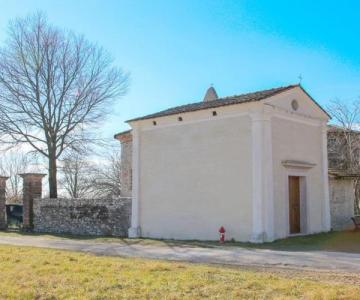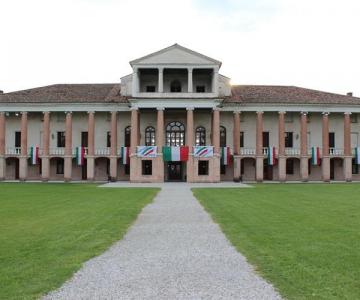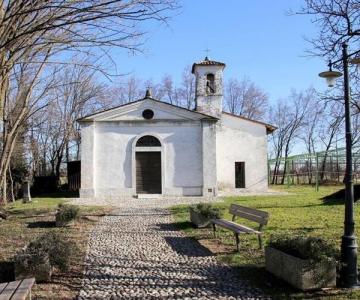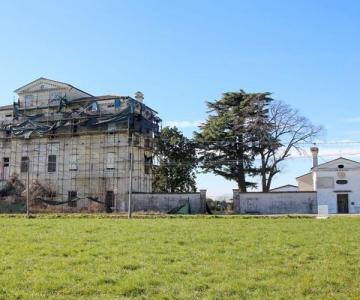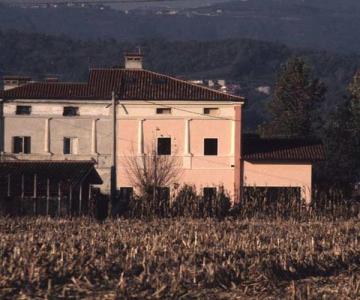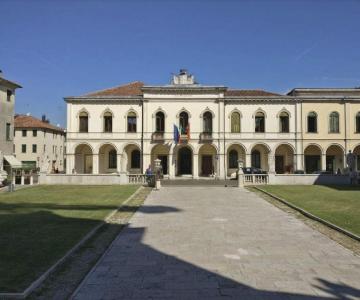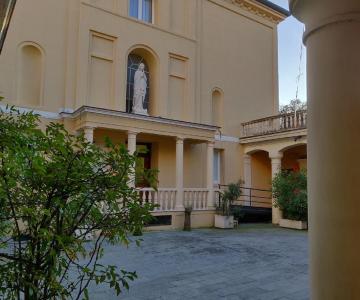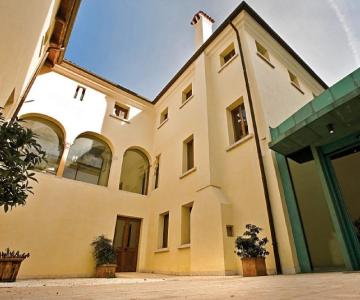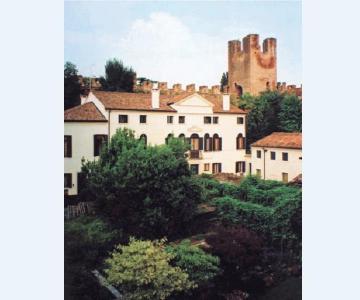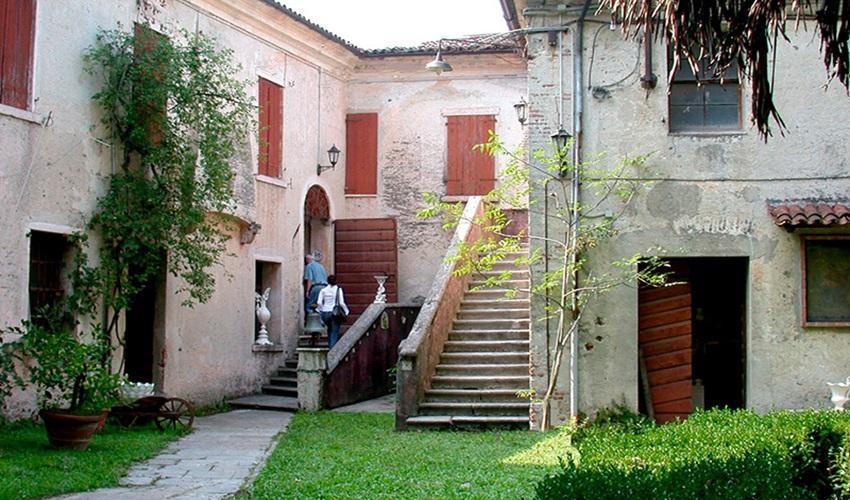
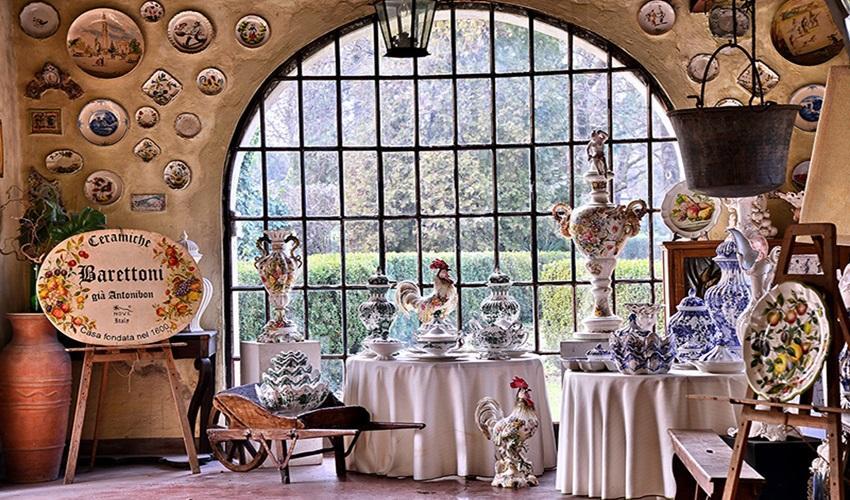

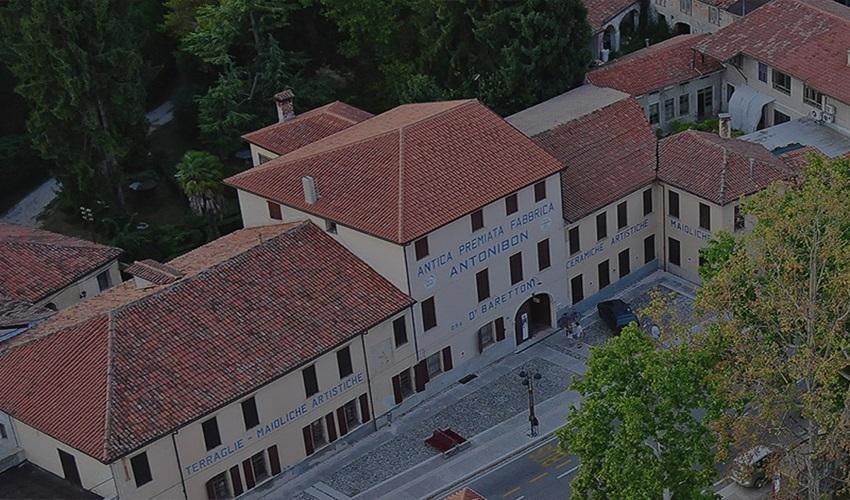
It stands as the oldest continuously operating ceramic factory in Italy, tracing its roots back to 1727. The extensive complex comprises various production departments, an original printing press showcasing specimens dating back to the 1700s, timber storage facilities, a notable 19th-century circular kiln boasting four feeding mouths, and the master's house, inhabited since the 1500s and now utilized for exhibitions.
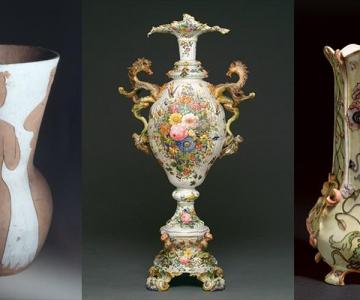
In 1732, the Antonibon family secured significant privileges from the Senate of the Venetian Republic, including exemptions from duties and the authorization to establish a shop in Venice. This pivotal recognition elevated it to the status of the most crucial factory within the Venetian Republic, excelling not only in majolica production but also pioneering porcelain (from 1762) and earthenware for English markets (from 1786). In 1907, lawyer Lodovico Barettoni acquired the factory, a legacy maintained by his family, who oversee and continue its operations to this day.