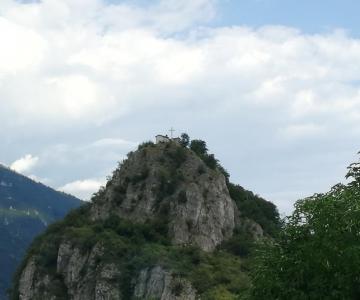
According to some information, the castle of Velo d’Astico was born in prehistoric times as a stronghold of the hilltop settlements. The elevated position of the settlement served to maintain a visual contact with Meda while remaining hidden from those who had not yet entered the valley.
The Castle of Velo was built in the 10th century to thwart the raids of the Hungarians. In 1184, according to the historian Gaetano Maccà, Viviano son of Tomaso de Vello found himself restoring the castle damaged by war.
In 1230 the castle was divided among some members of the family, but the tower remained undivided for defensive reasons.
One of the enemies of the Velo family was Ezzelino III the Tyrant, with whom the noble family never made peace. In 1288 the castle fell into the hands of the Padua and was destroyed.
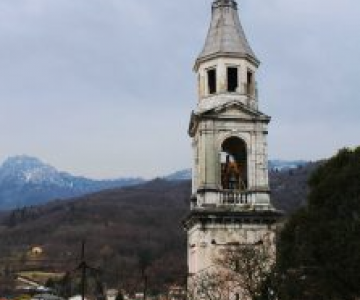
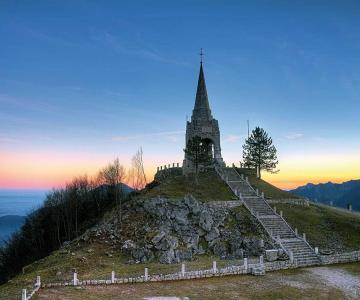
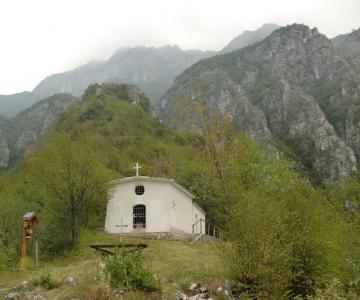
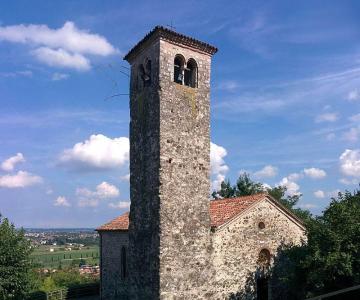
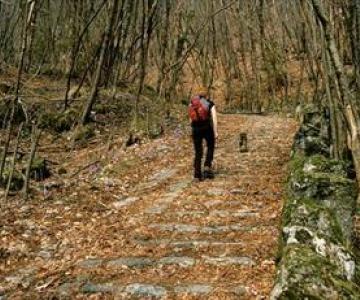
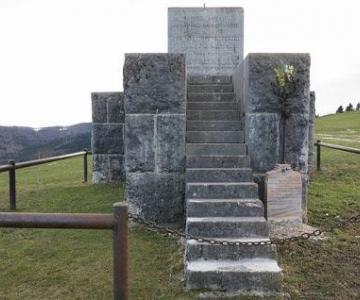
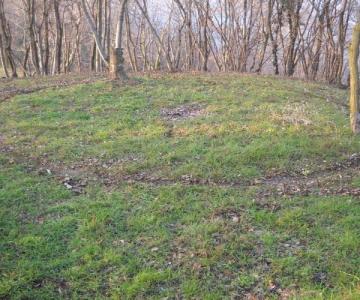
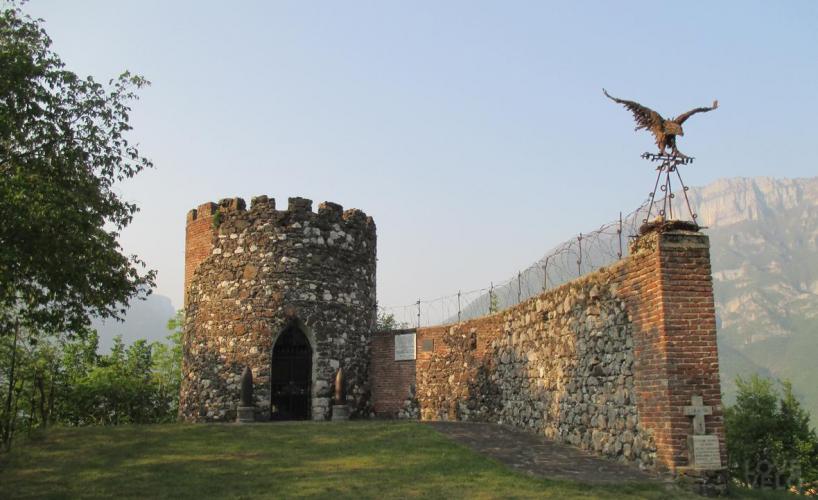
Today only part of the circular tower and a stretch of wall about ten meters long remain. It was damaged during the two world wars, later acquired by a private owner and given to the local Alpine Group that, after a restoration, transformed it in 1977 into a chapel dedicated to the fallen of all wars. To transform the castle into a sacred place, some plaques were added. Furthermore, along the path, the Calvary of the Alpines was added: 19 stations to remember the places where the black feathers fell.
Inside the tower, some objects were placed, including the emblematic hat of the Alpines, a copper plaque in memory of the fallen, a painting by Gemmo Lanfranco of Thiene, and the wooden bust of the Little Mutila Madonna.
How to get there:
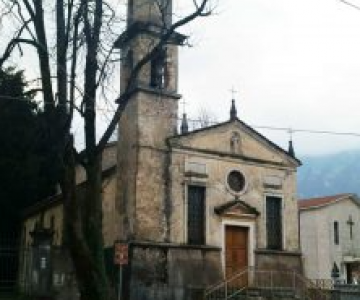
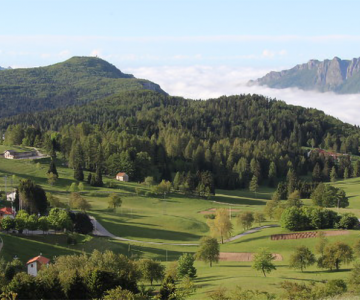
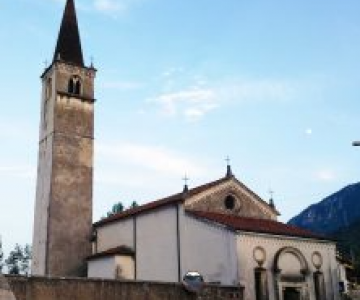
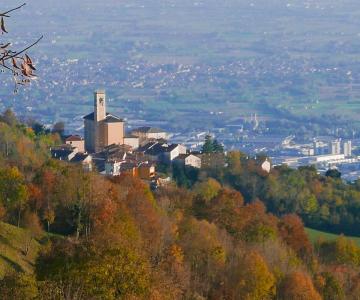
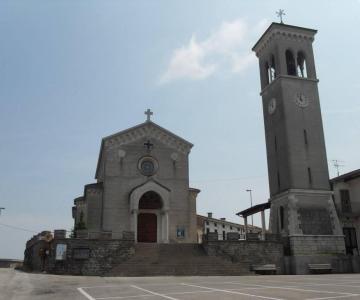
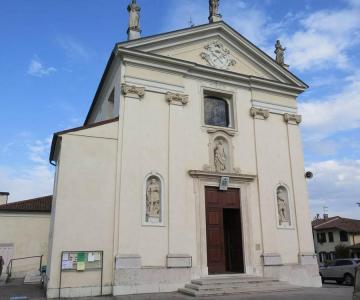
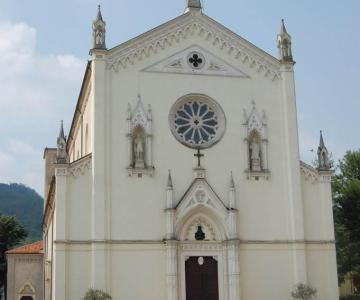
You can reach by car to the parish church of Velo. From there, you climb the church steps and continue following the signs. The path is easily passable. The view from above is spectacular.
For more information click here.