A loop through the town history.
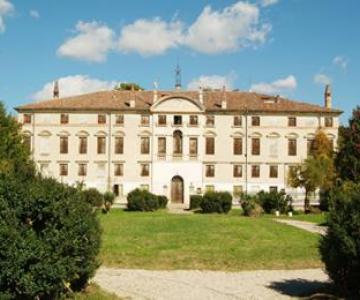
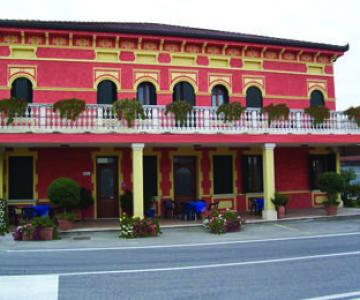
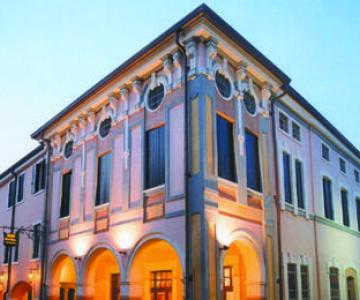
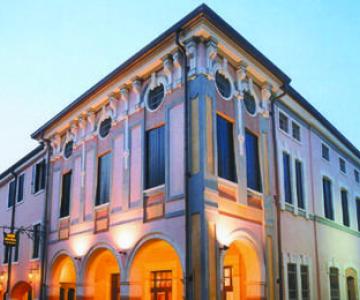
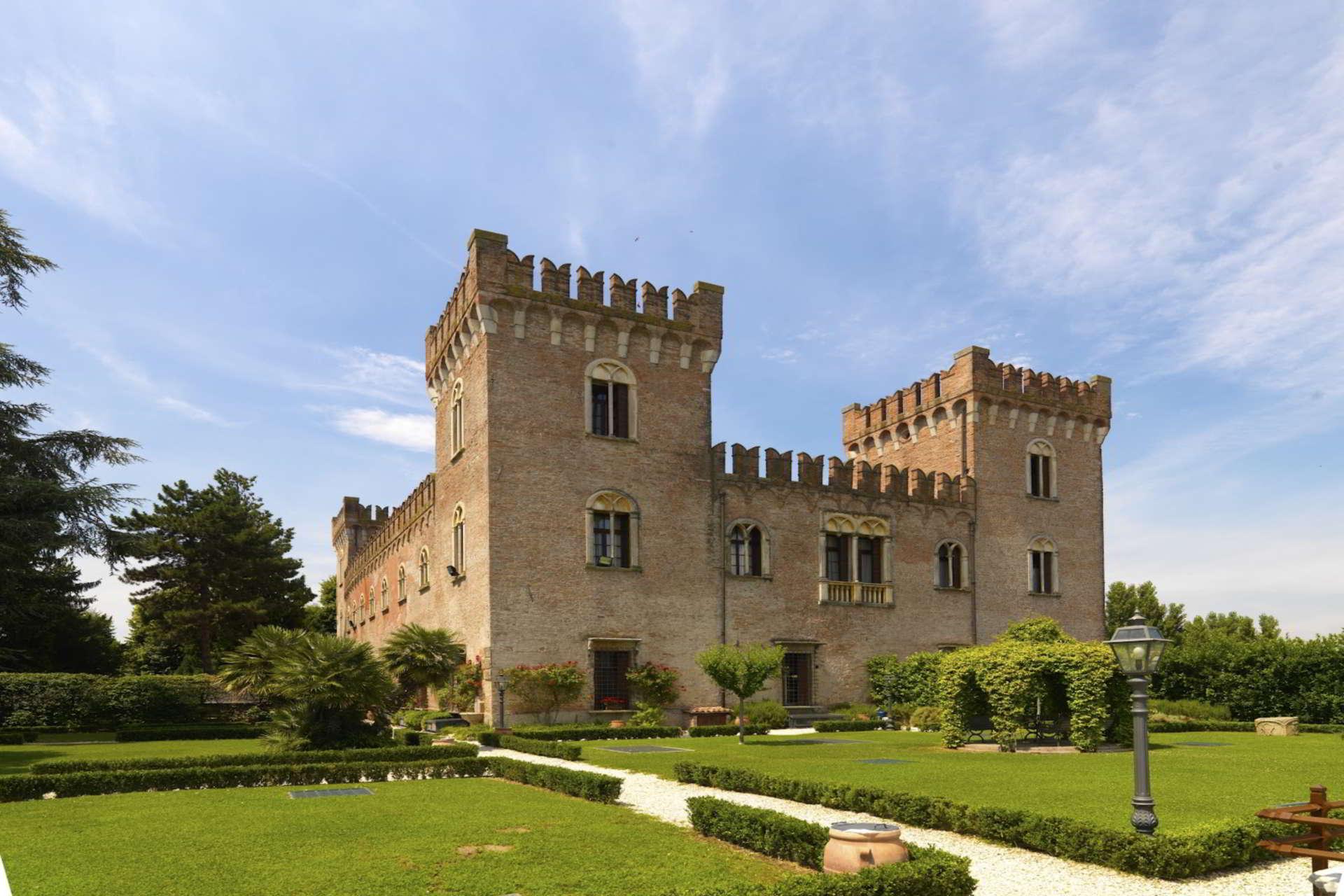
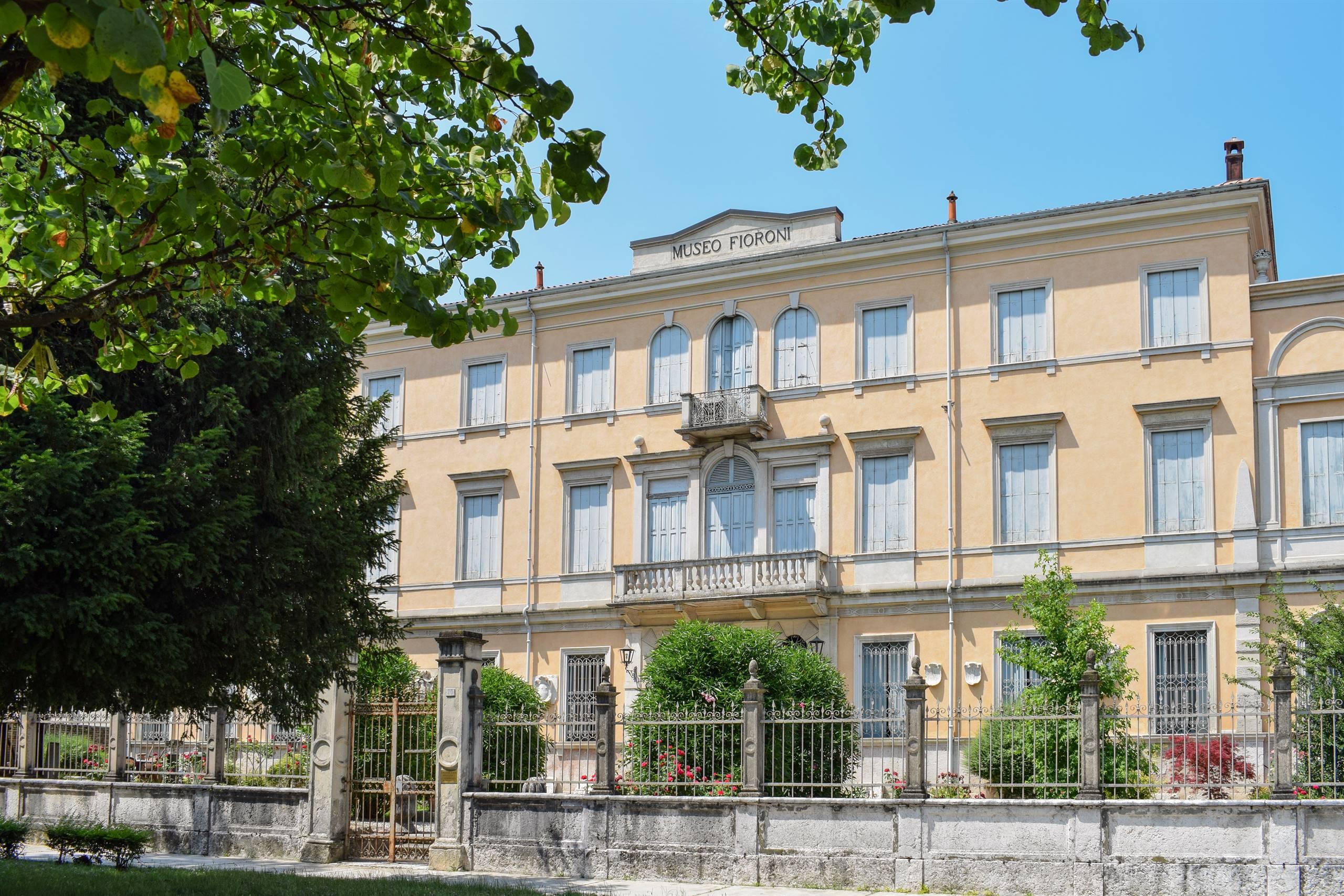
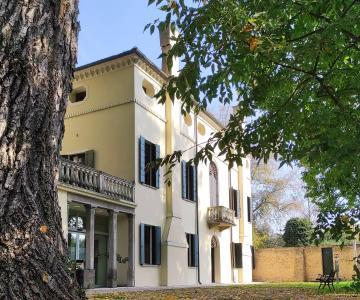
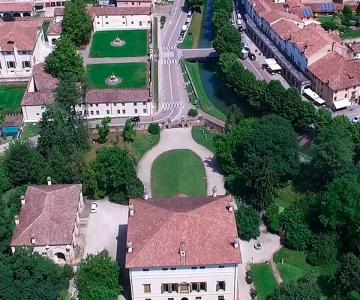
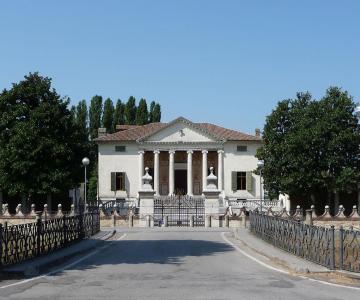
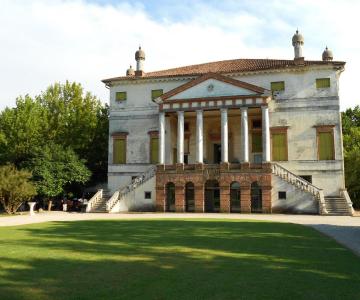
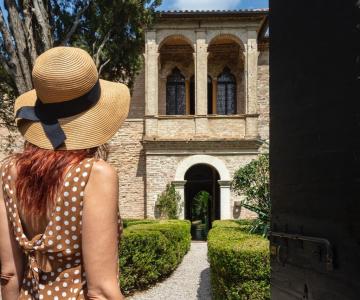
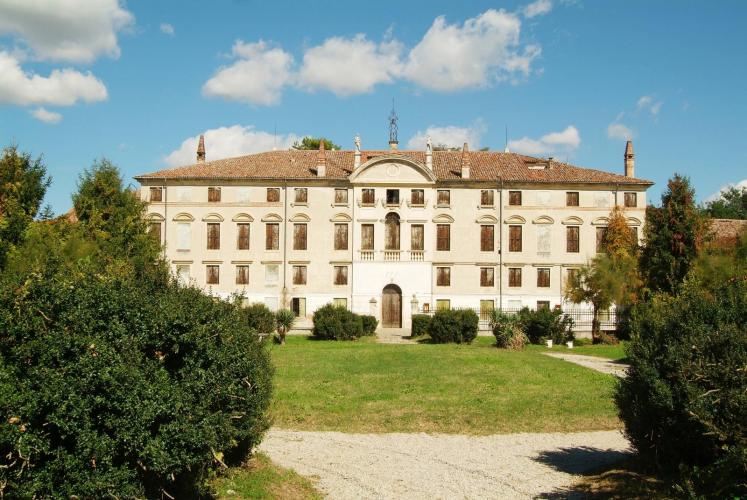
Setting off from the 17th-century Villa Correr, symbol of the Venetian splendor in the mainland, you will be able to walk some picturesque countryside roads, through the places and historical buildings which have characterized the history of Casale di Scodosia.
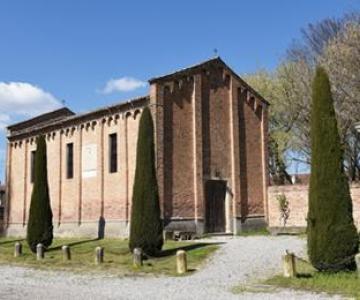
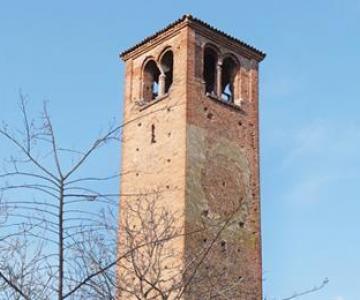
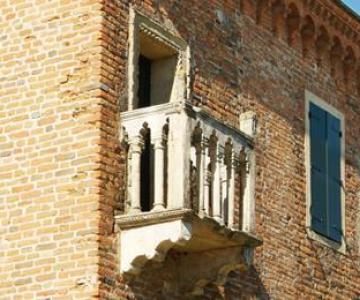
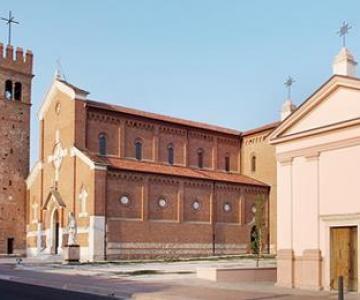
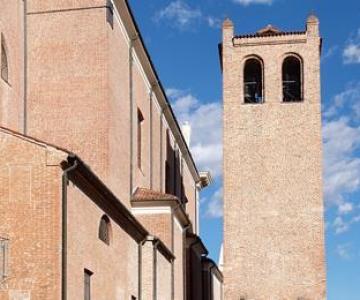
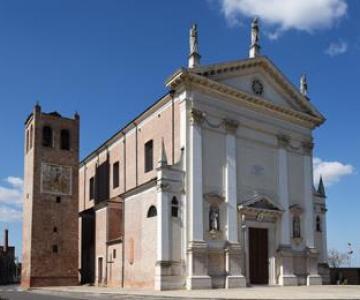
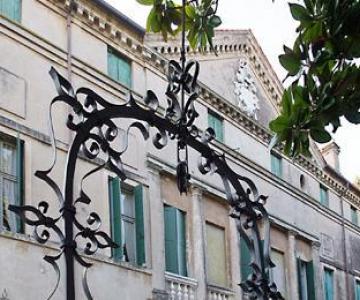
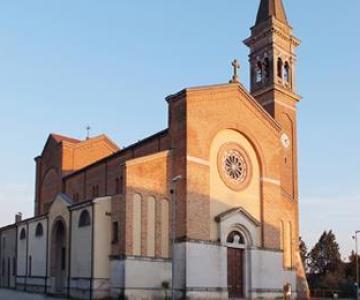
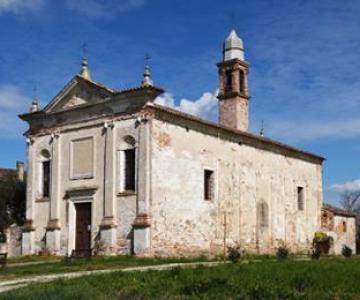
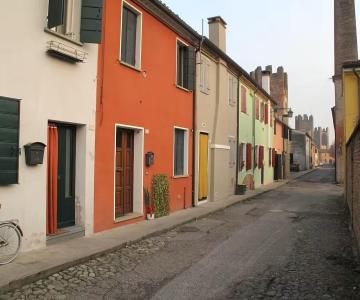
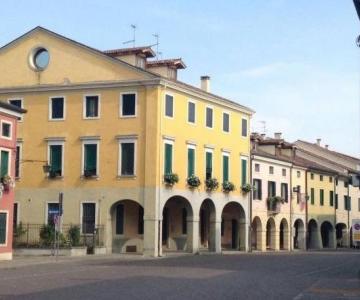
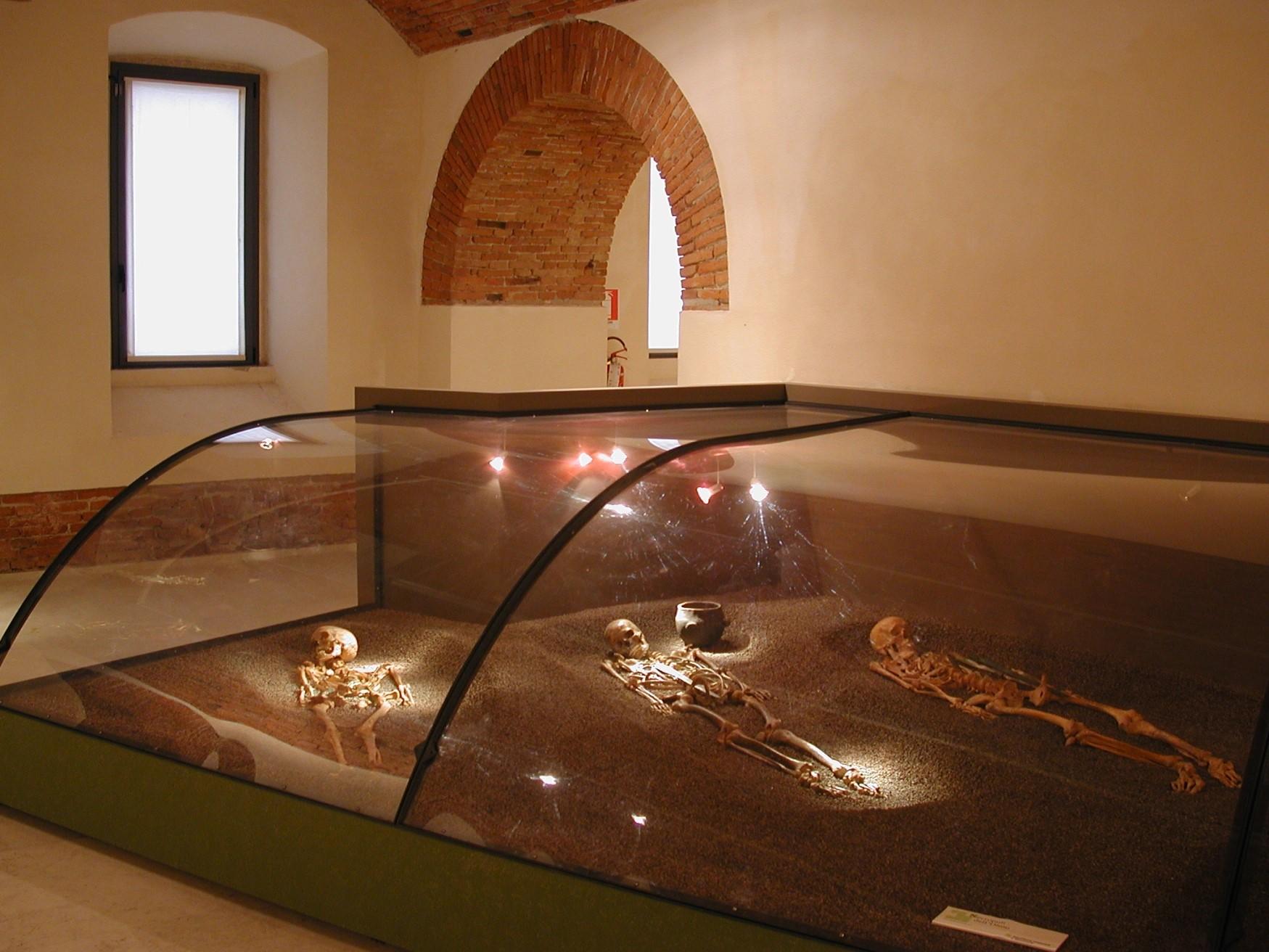
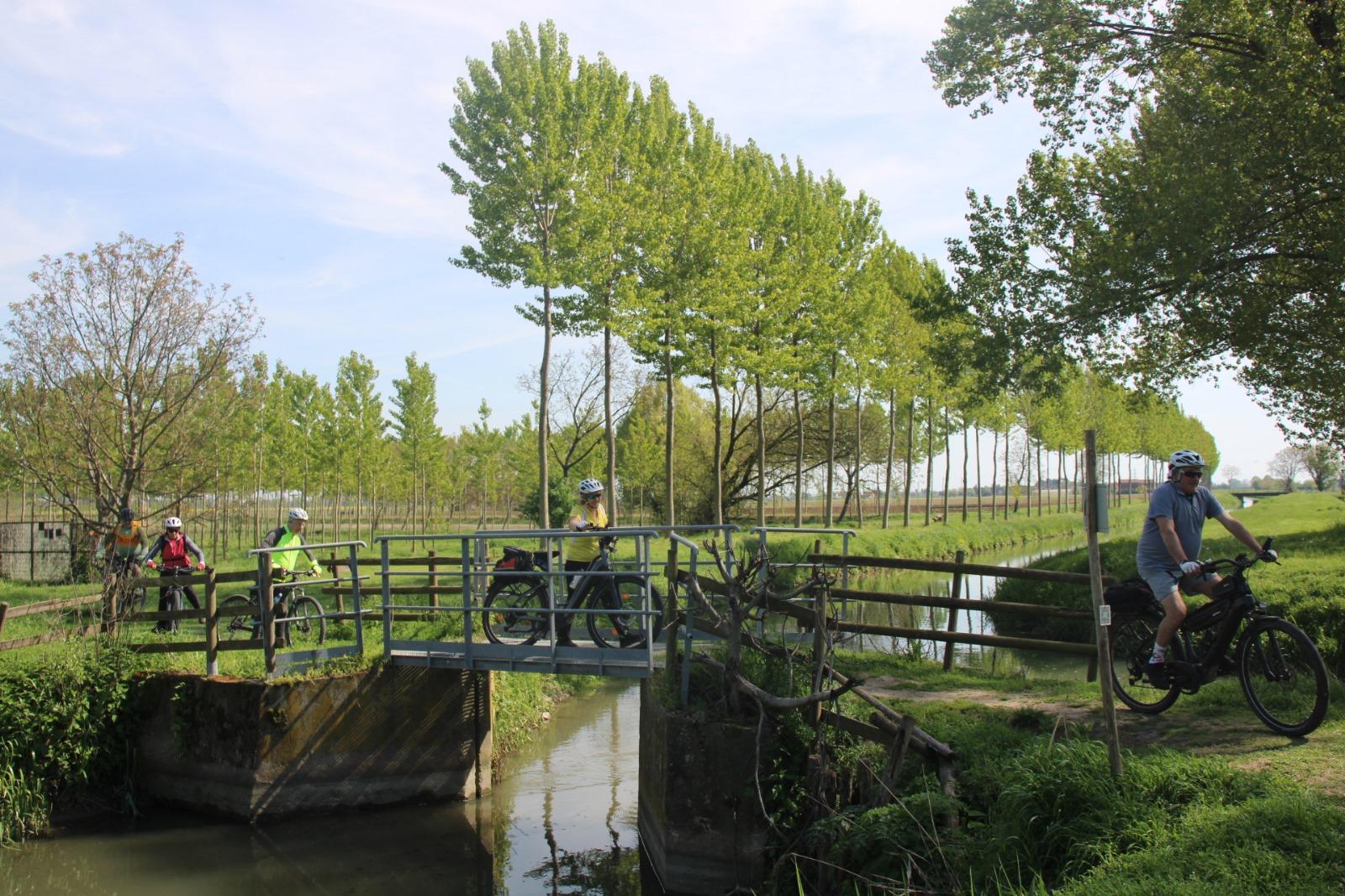
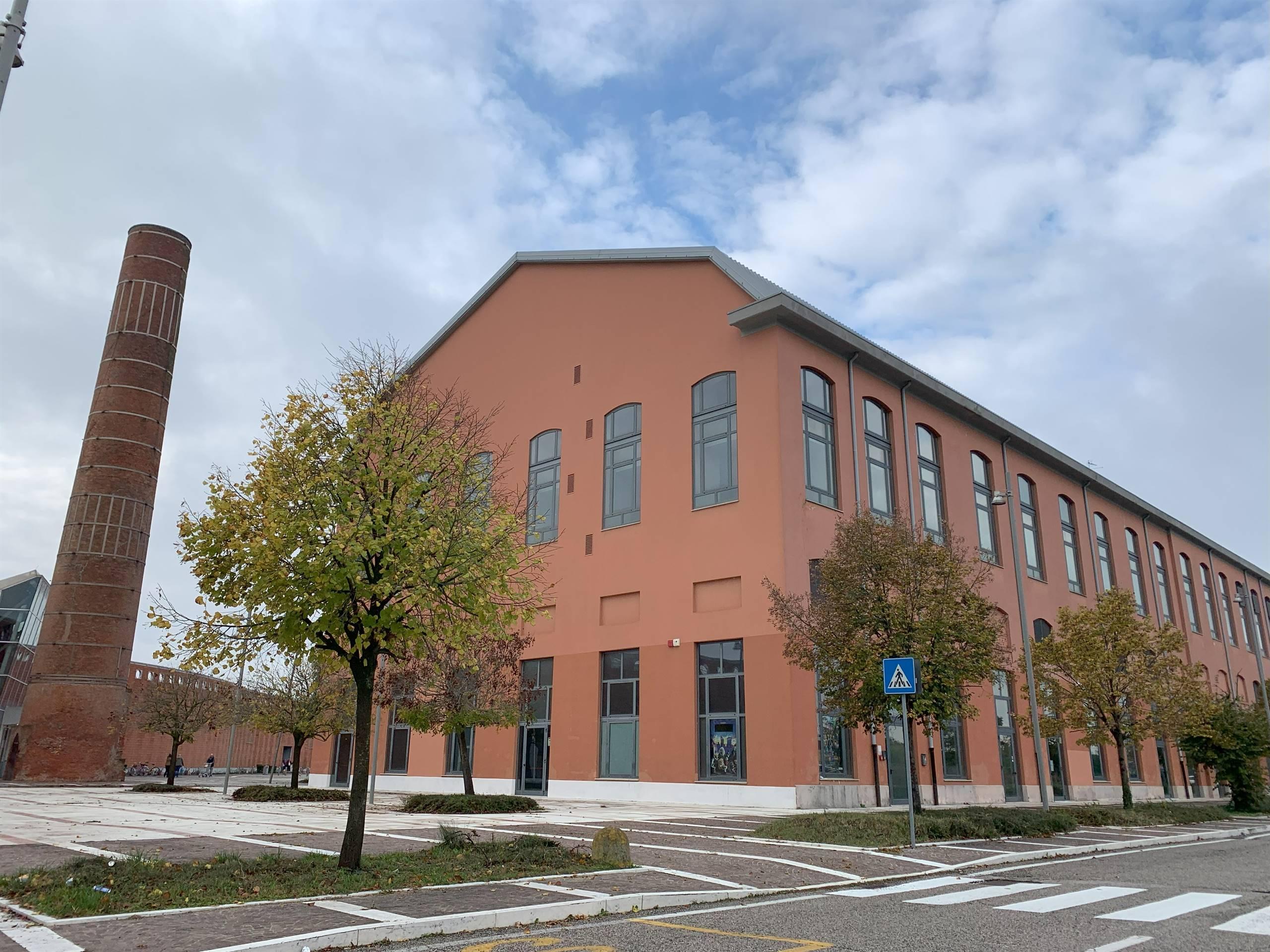
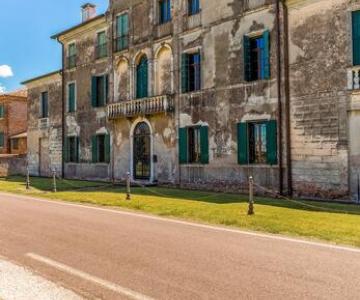
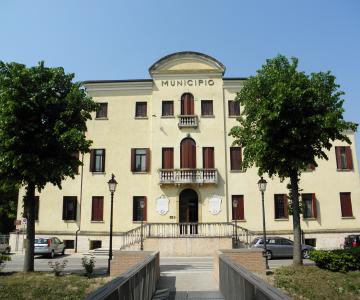
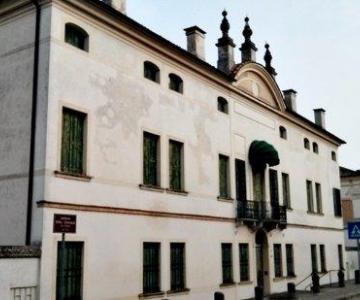
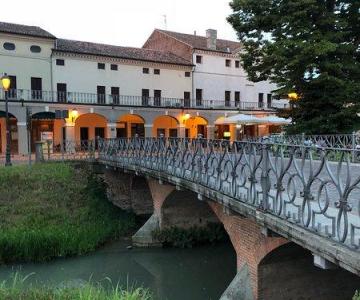
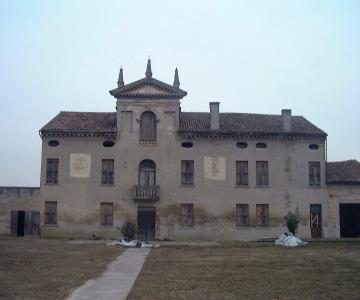
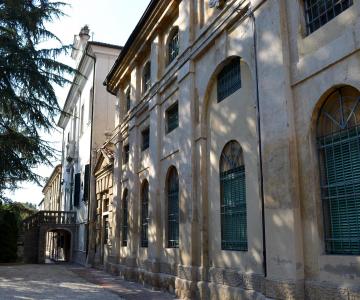
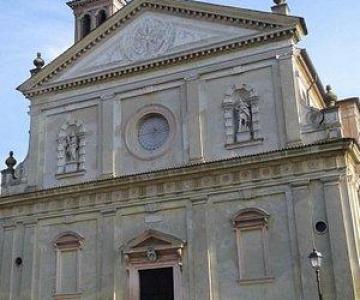
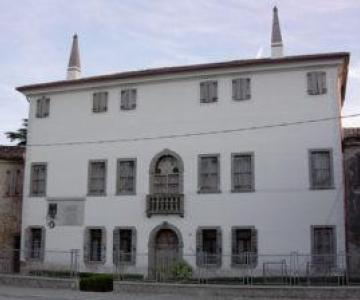
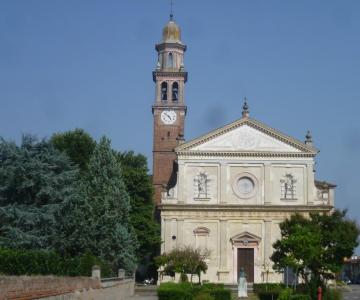
Settlements have been recorded here since the Bronze Age. Casale di Scodosia owes its name to two different historical moments: Casale reminds of groups of dwellings scattered in the countryside since Roman times, Scodosia is a mention of the ancient administrative institution, the Sculdascia, which reunited a vast part od the territory of the southern part of the province of Padua during the Longbard domination. A hostile land that required centuries of hard work to become functional to its inhabitants. As a matter of fact, the abundant water and wide marshlands are still in the place names of valley areas or small hills over the water, like Vallarana or Altaura. During the 16th century, the renowned Venetian Correr family took the chance to take part in the important works of territory reorganization put into practice by the Republic of Venice once they acquired the mainland territories to strengthen their land state. The itinerary starts from the building that is symbol of their power, the majestic Villa Correr. It was built in the late 16th century probably over a former monastery according to an undocumented tradition. You will then reach an area with a strong historical and naturalistic interest: the Valli (valleys). This is a special place for a walk in the green countryside, under the shades of the rows of poplars that skirt the path. The charme of the two routes orthogonally crossing at an old weathered cottage never fails to impress. That cottage is locally called el casin de Meole, which is a small house for the guardian of the valleys, one of whom was Meole. Beyond the valleys the path follows the quiet country roads spotted with old farm buildings, until the peculiar and lonely bell tower of the old church which still leans to remind of the lost parish church of Santa Maria Assunta. A few steps away, on the other side of the street, there is Palazzo Grompo which was probably built between the 14th and the 15th century on an old watch station and refined over time with a ledge in cotto tiles, a white marble balcony and a chimney with pinecone shape. Look also at the marble coat of arms of the Grompos: a yearning dog head with the letters F and G. Go to the main square of Casale di Scodosia: heart and symbol of the industriousness of its inhabitants. After the two world wars, they had to reinvent themselves, started to work with wood and built an important district of artistic furniture. A town of skilled craftsmen who came back to life and happiness starting the tradition of the Carnevale del Veneto, one of the most famous carnivals in Italy.