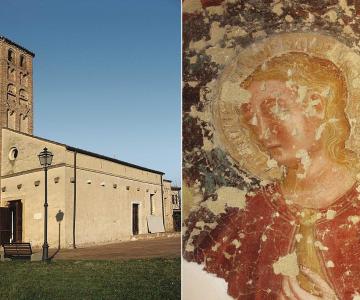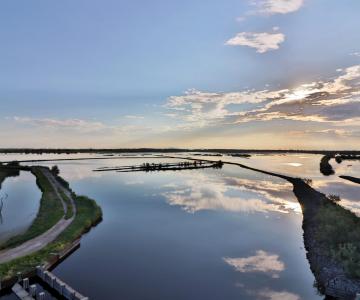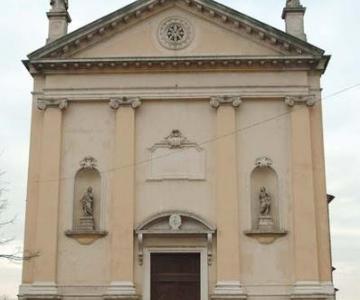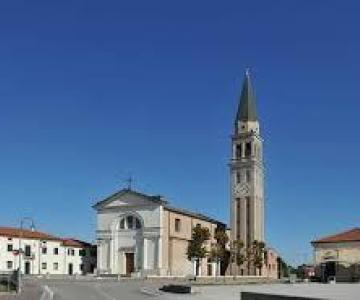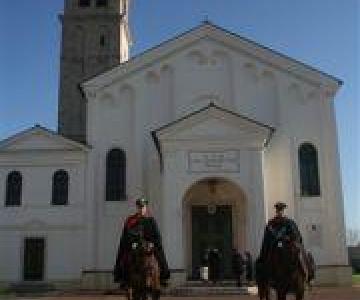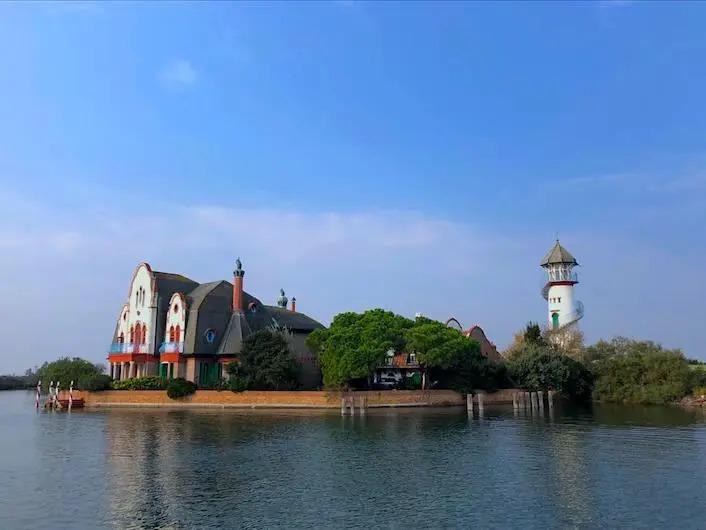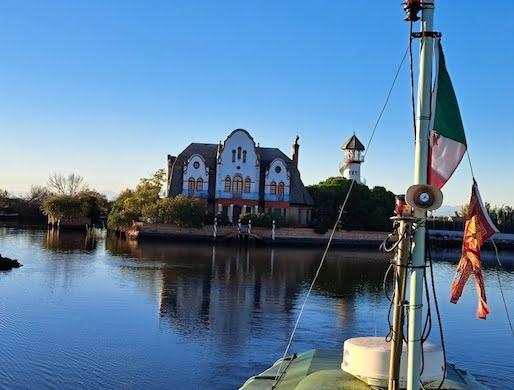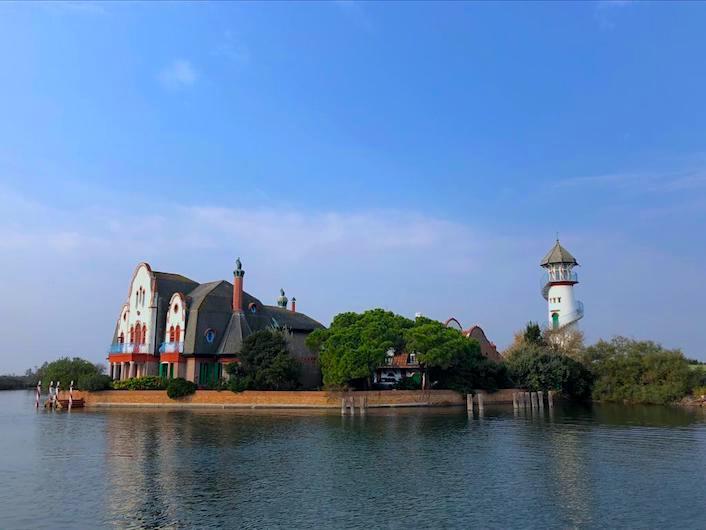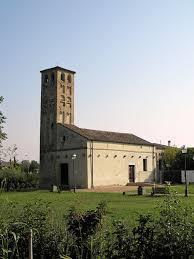
Built in ancient times, probably in the second half of the 13th century, in a territory that was then inhabited and fertile, it remained isolated when the area became marshy following the hydraulic works implemented by the Republic of the Serenissima to safeguard the Lagoon.
It is oriented East-West, typical of Paleochristian and Romanesque churches.
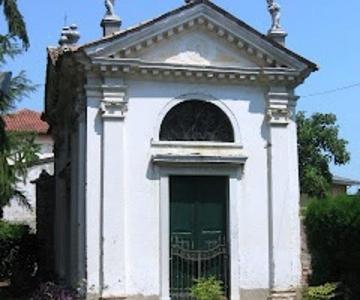
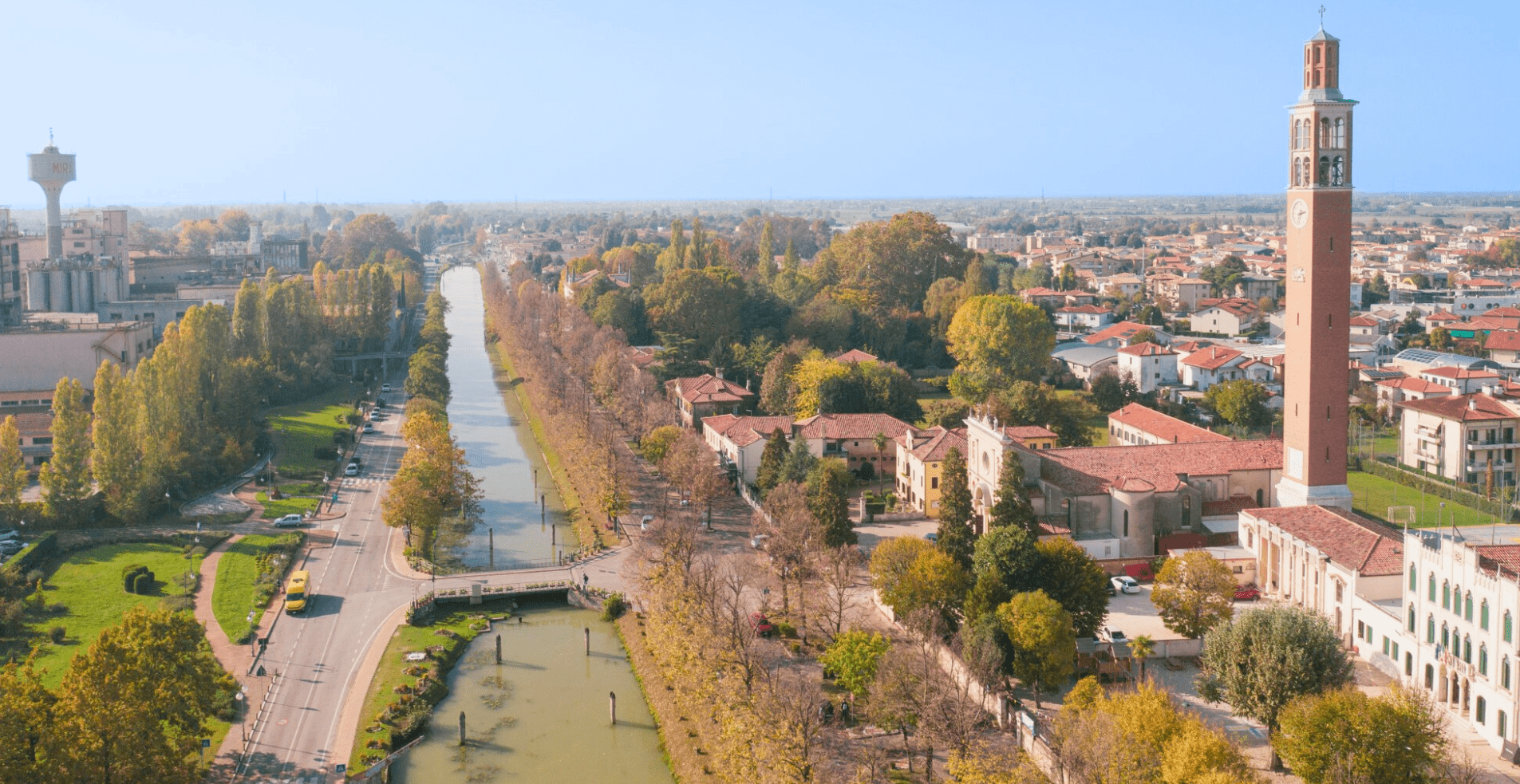
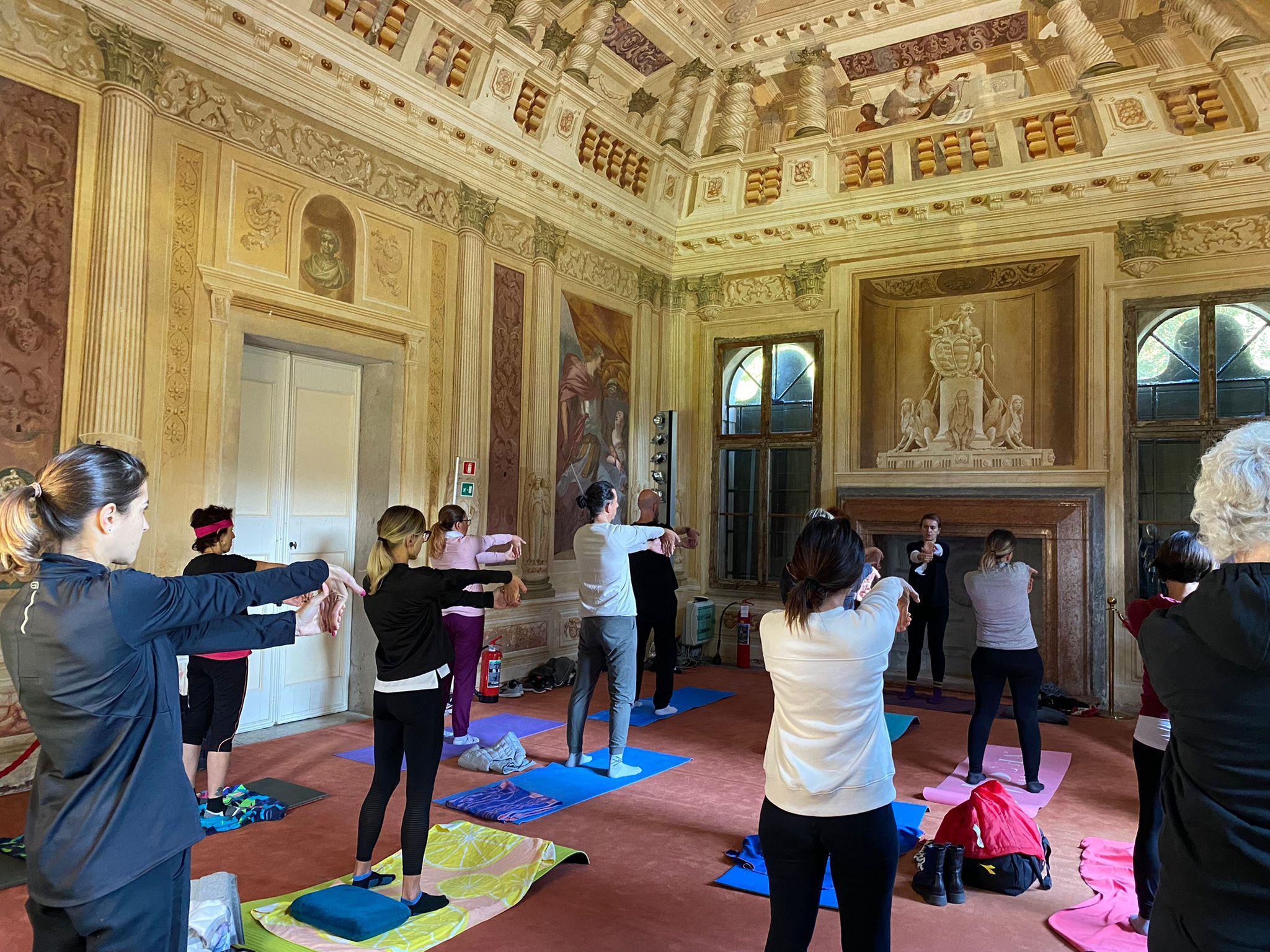
During the restoration in 1468, a small chapel and the sacristy were completed on the east side. Traces of frescoes can be seen on the walls, while they have a 16th-century origin. A true architectural gem is the bell tower, with a late Romanesque style, quadrangular with decorative motifs equally traced on all four sides.
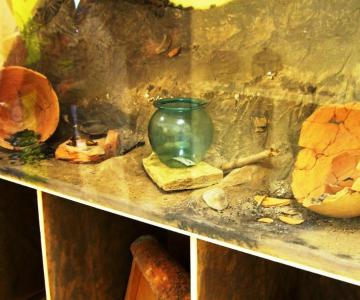
Inside the church is the archaeological museum of Campagna Lupia.