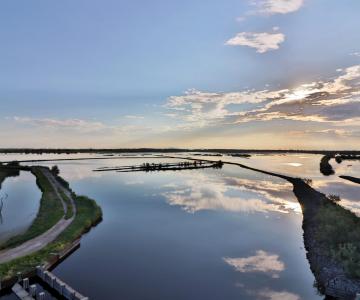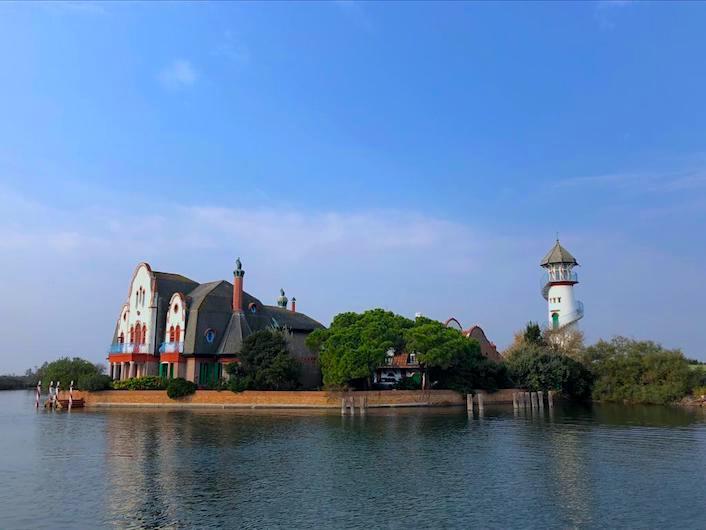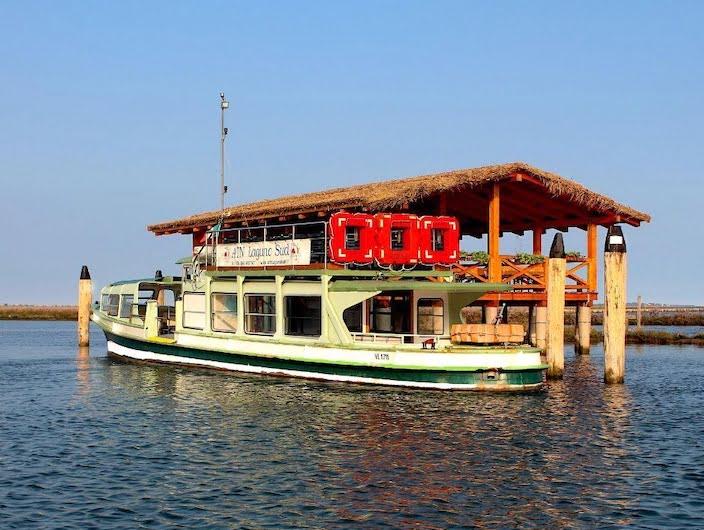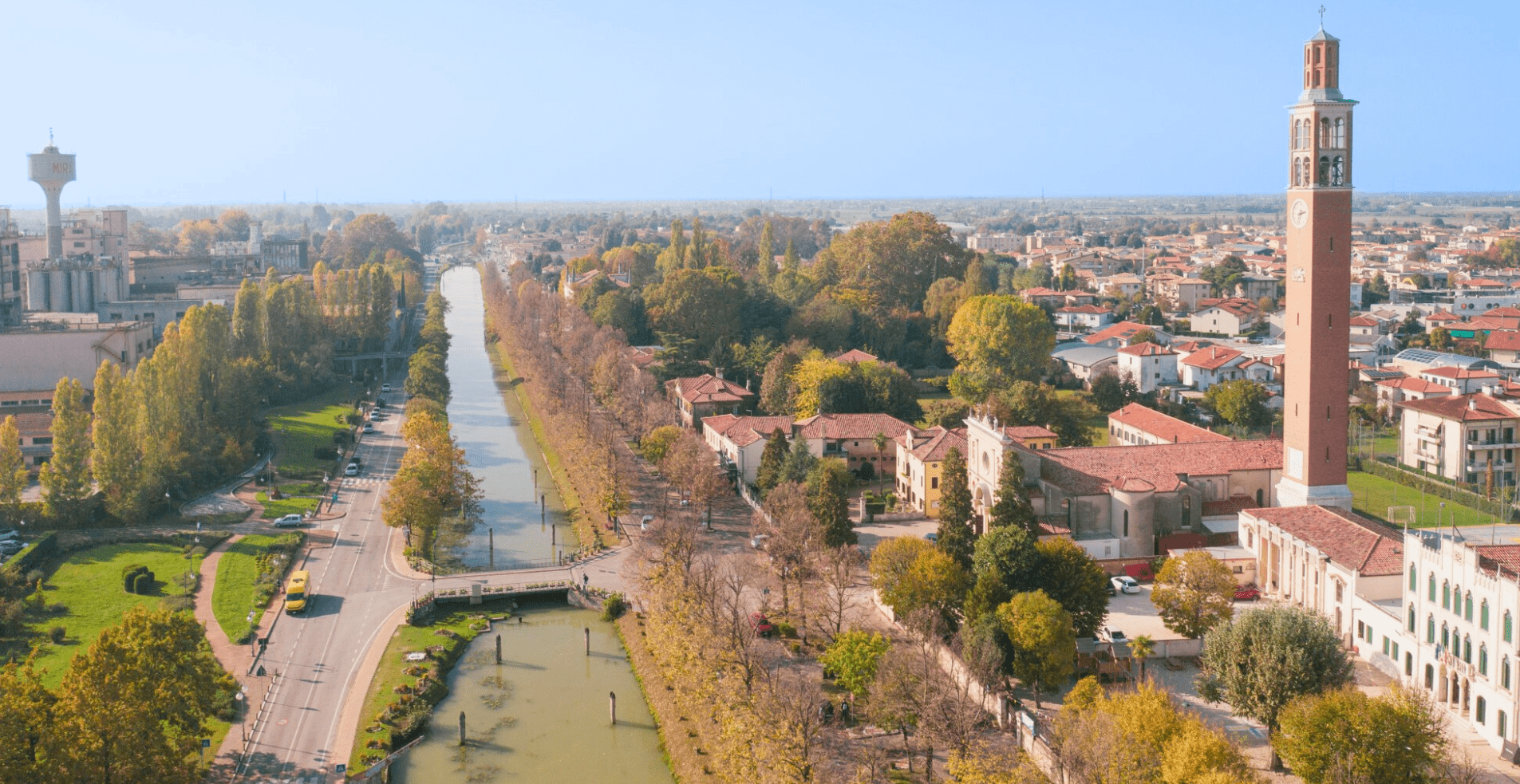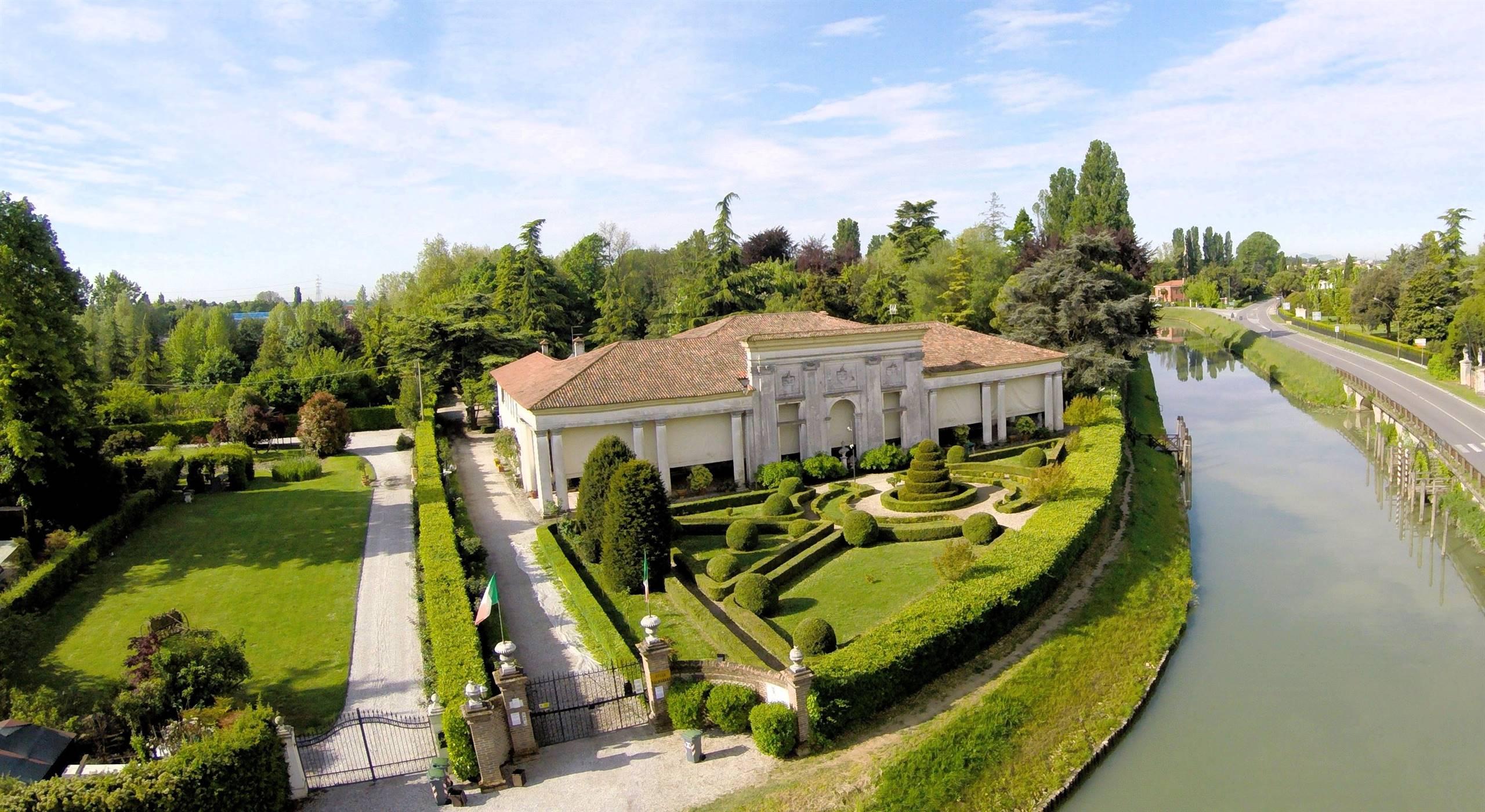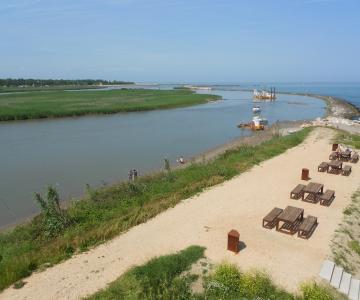


The valley was formed as a result of territorial modifications made by the Most Serene Republic starting from the 17th century, culminating in the excavation of the Novissimo Canal of the Brenta, which established the boundaries between the mainland and the lagoon basin.
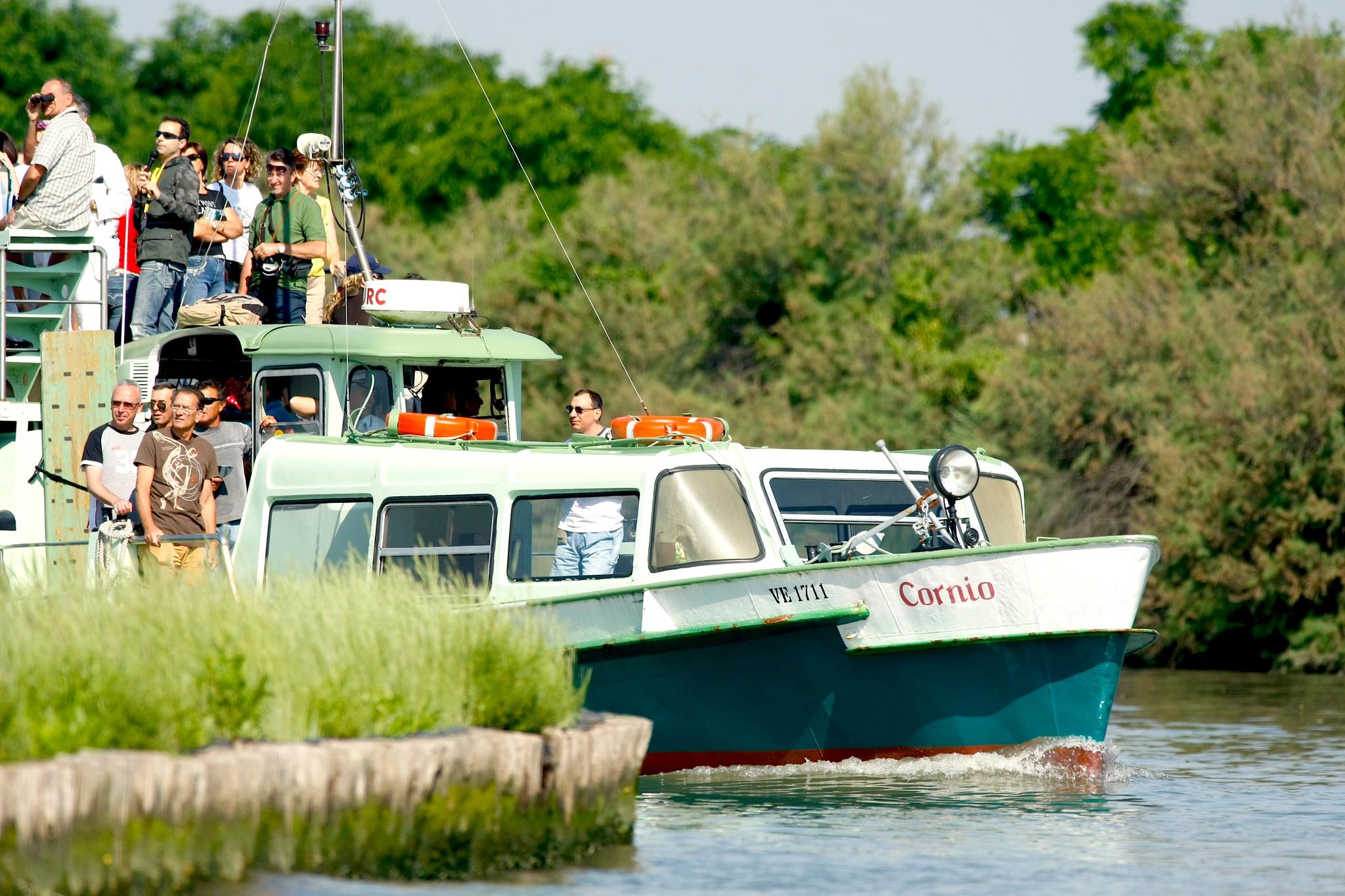
An oasis since 1985 and a State Nature Reserve in agreement with the Ministry of the Environment, WWF manages about 200 hectares. Much larger, 500 hectares, is the area identified as a Wetland of International Importance according to the Ramsar Convention.
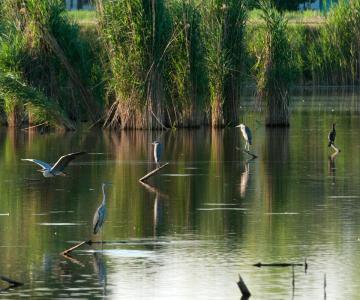
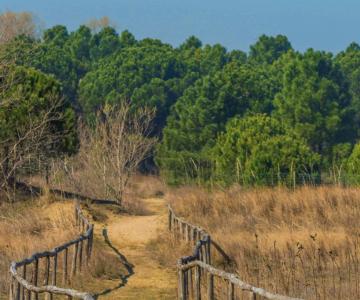
The remarkable diversification of habitats is linked to the salinity gradient, different soil elevations, and varying substrates, some of which are sandy. The presence of fresh and brackish water, typical of fishing valleys, ensures a significant environmental variety, with around 400 species of flora and numerous plant habitats.
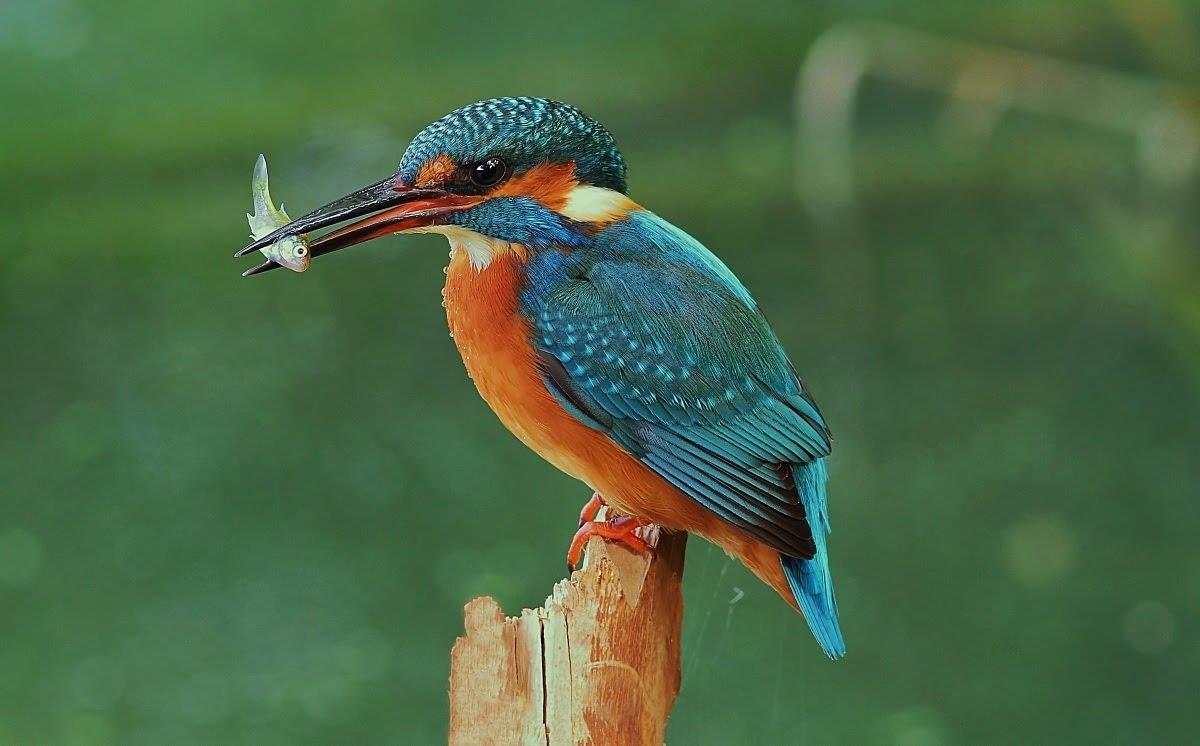
There are also about 241 species of waterfowl. The herpetofauna is also interesting: among reptiles, the European marsh turtle can be observed here with a significant population, while among amphibians, the tree frog, the green toad, the green frog, and Lataste's frog are present. Among mammals, noteworthy is the presence of the rare dormouse, the weasel, the badger, and some pairs of foxes.