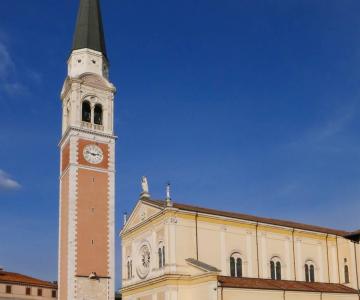
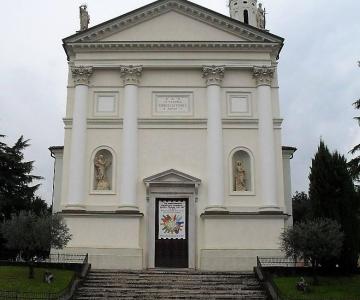
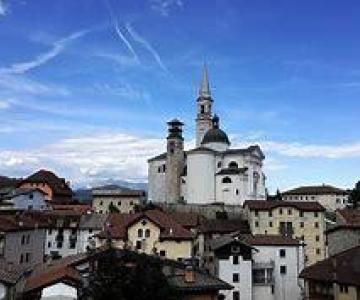
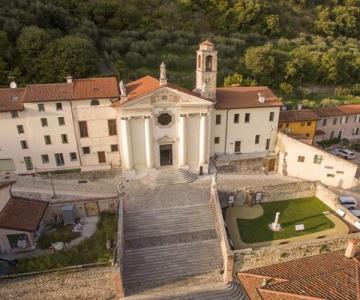
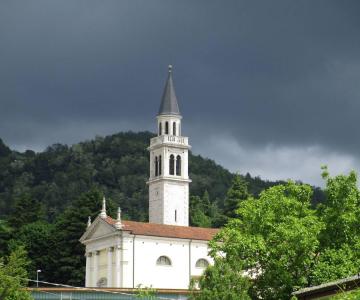
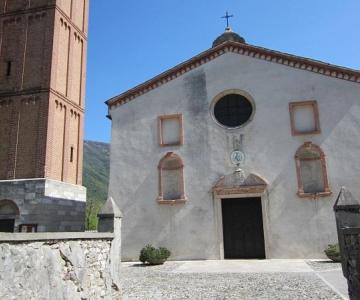
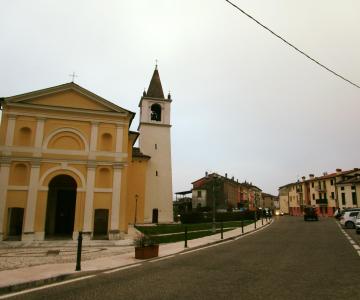
The church has a long history, in particular we recall some important dates:
- In the years 1378/1380: it was built in Roana for the first time at the same time as that of Canove dedicated to San Marco
- In 1393 the church was established as a parish church
- Until 1563 its parish priests were elected by the municipality and later by the bishop of Padua, Roana belonging to the diocese of Padua.
- Between 1772 and 1802 a much larger church was built than the previous one, consecrated by the Bishop of Padua, Mons. Modesto Farina, for the occasion was placed a marble inscription above the door of the famine, which was destroyed during the Great War. Other important paintings were lost as a result of the war and the Austro-German invasion of 1916.
- In 1917 and 1918 the Church was completely razed to the ground and the Austrians seized many furnishings which were returned after the war.
- On June 1, 1919 the people of Roana returned from the refugees and Don Giovanni Cavalli celebrated Mass for the first time amidst the ruins of the square.
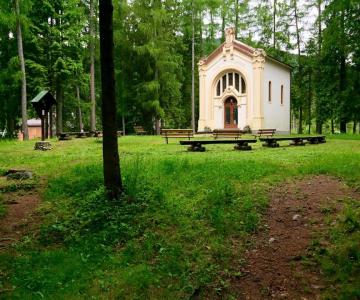
- On October 7, 1919 a wooden chapel was opened for worship (known as the little church of Campo Galina built by the Austrians, area of Portule) and then dismantled and moved near the former Cinema of Roana. The cult was celebrated until 1926 when the current one was rebuilt.
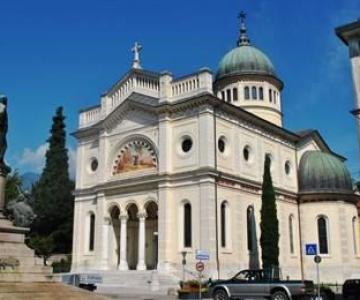
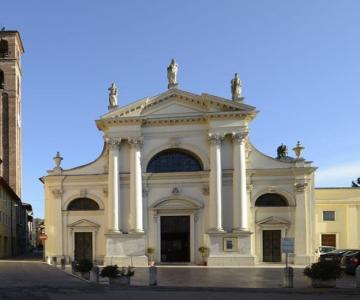
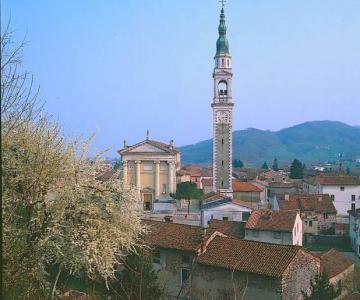
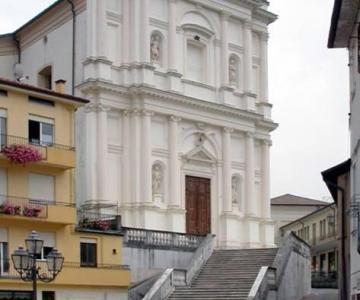
- The current church was built in the same place where the previous one was located between 1924 and 1927. The works inside are by Professor Mattielli, the decorations by painters Trentini and Castagna and the inner base is covered with marble. The decorations are sober and the dome is a coffered renaissance style.
Successive restoration works were carried out during the years '80-90' and 2000 the most recent were in 2010 and in the past years 2018-2019

Chiesa Parrocchiale di Santa Giustina - Roana
Piazza Santa Giustina , Roana (VI) - 36010
TAKE ME HERE: Piazza Santa Giustina