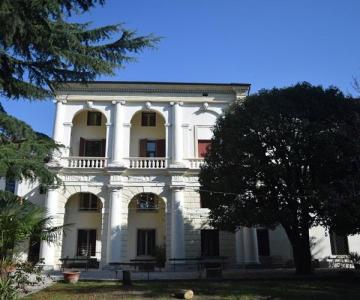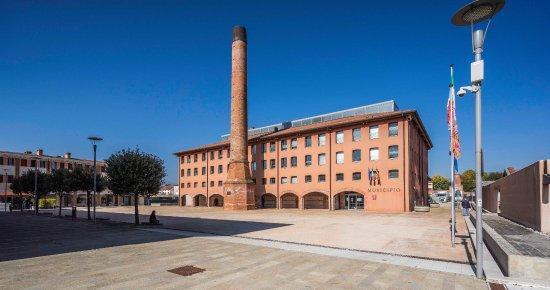
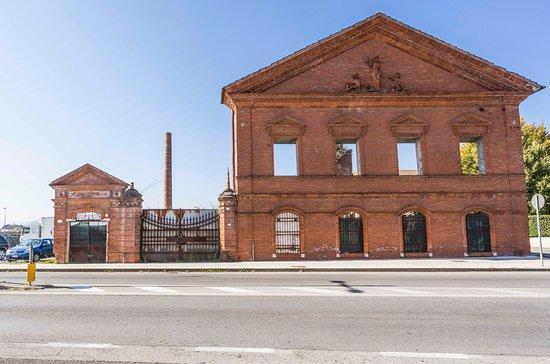
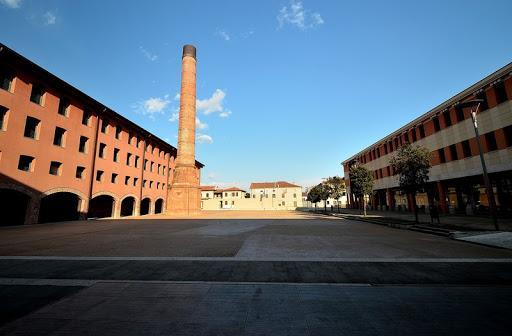

The Trevisan furnace is the symbol of the brick-making activity in Villaverla, fundamental for the socio-economic development of the town.
The Trevisan furnace began its production in 1878, with productive functions until the 1960s. Its siren, for over a century, marked the life of the entire community, calling to work the numerous workers.
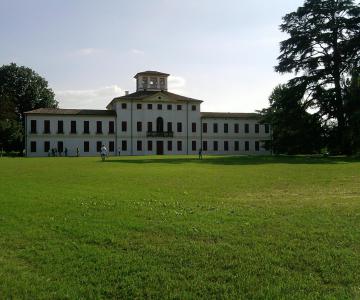
The furnace was inaugurated by Pietro Trevisan, representative of an important family in Villaverla. The structure was equipped with two modern and powerful ring kilns, one of which was a milestone for the company as it was the second Hoffmann-type kiln, the largest in Europe.
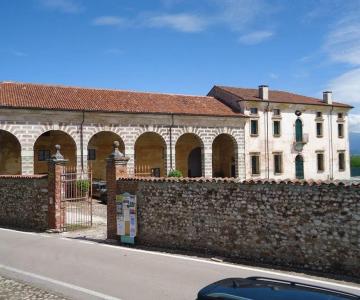
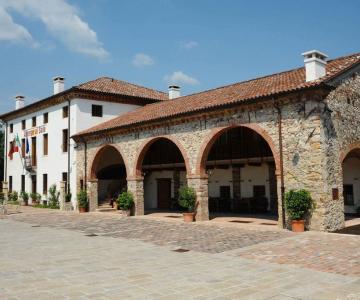
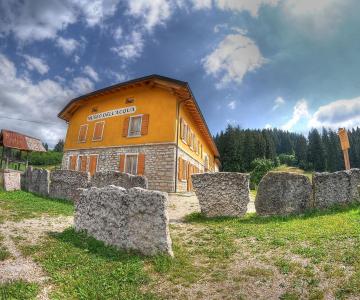
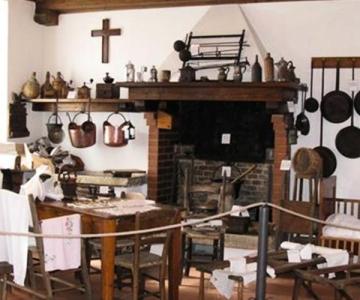
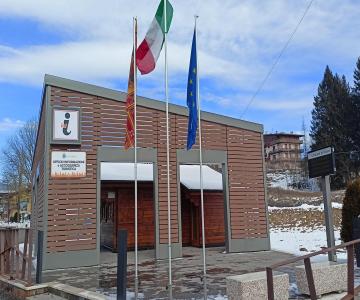
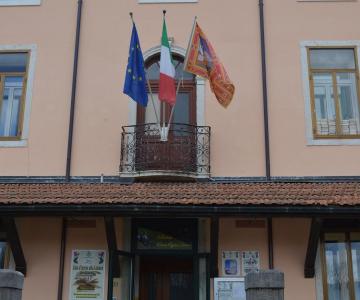
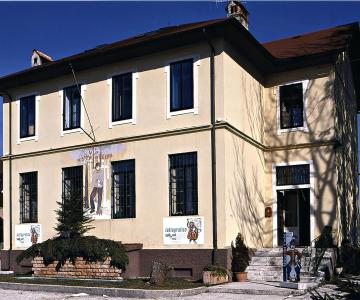
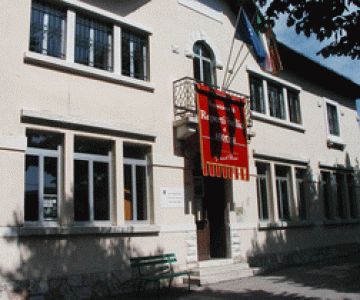
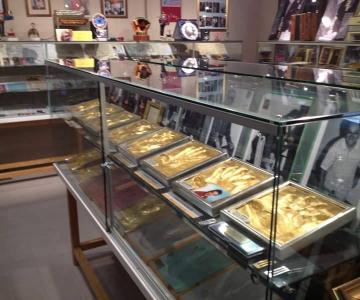
Today, the complex takes on the new destination of municipal headquarters, museum, and private offices, becoming a unique opportunity to give depth to the recovery of a strategic area representative of the community's memory. On the ground floor, there is a well-preserved Hoffmann kiln, converted into a museum where exhibitions and shows are often held.
The configuration of the land and the large presence of clay, that is, the clay, allowed numerous furnaces to emerge throughout the territory in the last century. It is said that there were as many as seven furnaces. The Trevisan furnace was always recognized for its high-quality products. To achieve this, labor was essential, as the workers had to prepare the clay material, shape the bricks, and then bake them in the kilns before moving on to the drying phase: all these stages required a workforce of about 400 - 500 people.
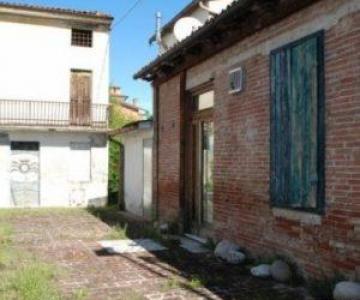
The industrial complex of Villaverla operated only six months a year because during the winter season the clay could not dry. During the inactivity period, the workers dedicated themselves to farm work near the "workers' houses" built around the industrial site based on the Anglo-Saxon model.
The Trevisan family, before starting industrial activity, was also engaged in cultivation and agriculture, and only after the death of Pietro's brother, Luigi, who remained the sole owner of the parents' assets, did he decide to start the industrial business.
The change in construction, the new working techniques, and the new building materials decreased the demand for traditional bricks, leading to the factory's closure.
In 1989, the site was recovered thanks to the will of the Municipal Administration, which realized a new urban use.