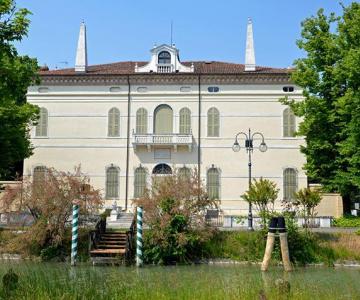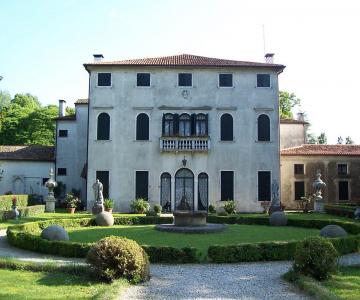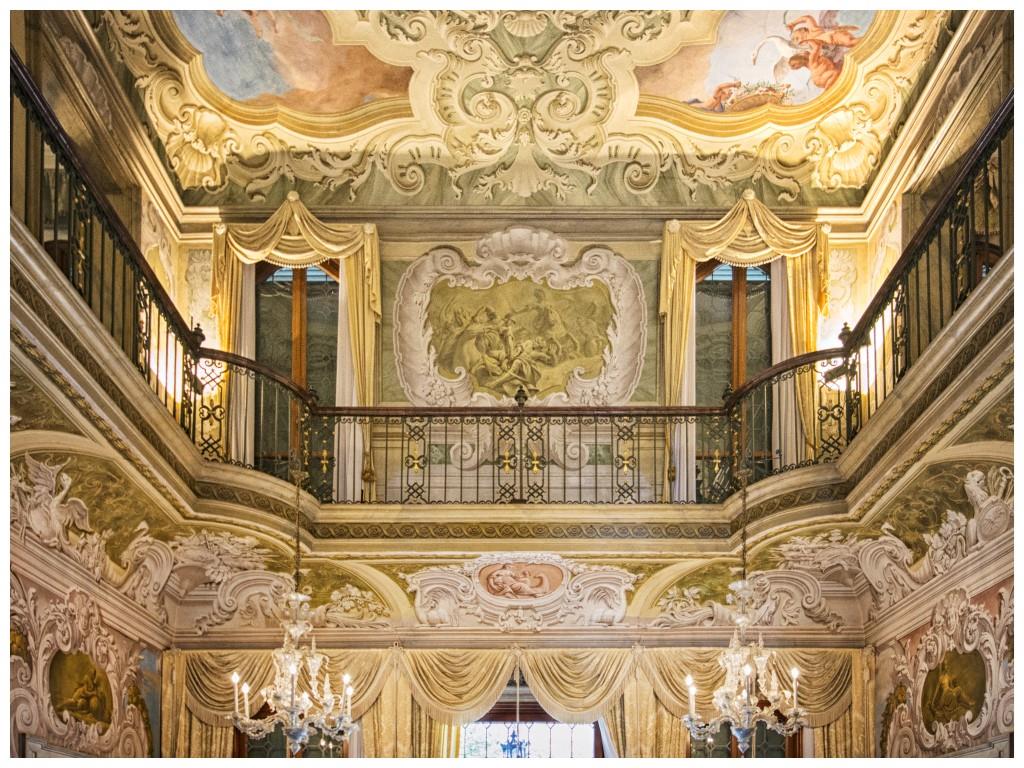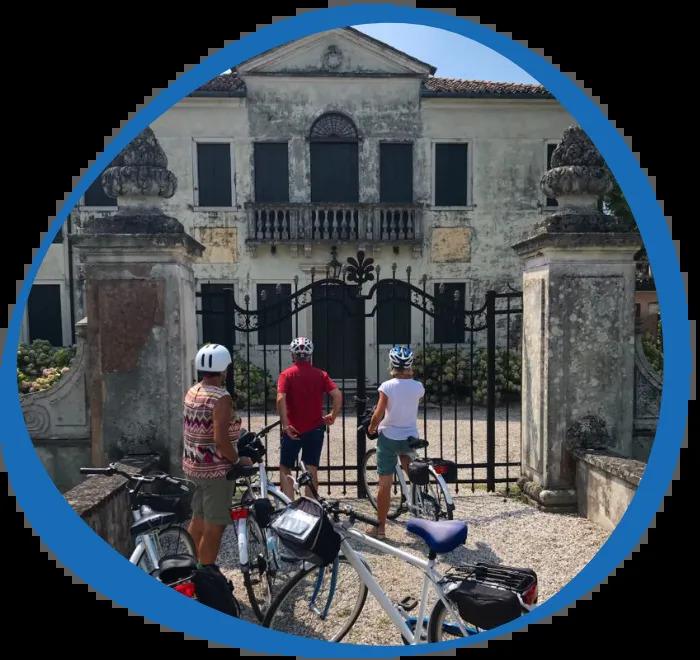
The Villa passed into the ownership of the Contarini of San Trovaso and then the Barbarigo of Padua in the 1700s. During that period, Orsetta Barbarigo organized sumptuous parties and performances there. Later, it was inhabited by the Manin, then the Cipollato. Subsequently, the singer Adelaide Borghi-Mauro had it donated to her by an admirer. Between the end of the 19th century and 1955, it was home to other families: Guadalupi, Menin, Rampazzo (1921), and Capuzzo (from 1933 to 1955). It then passed to the Congregation of the Dominican Sisters of Blessed Imelda, and is currently owned by the Veneto Region.
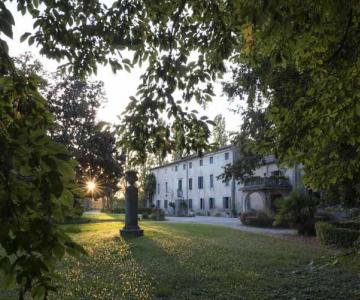
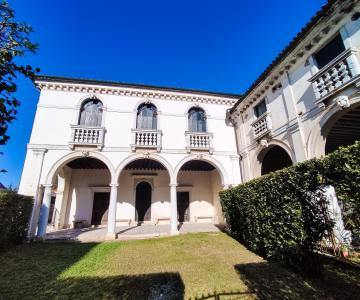
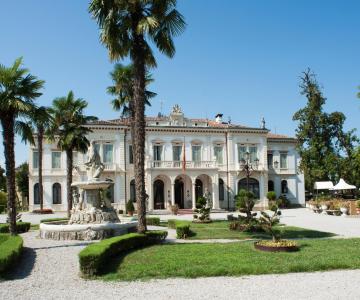
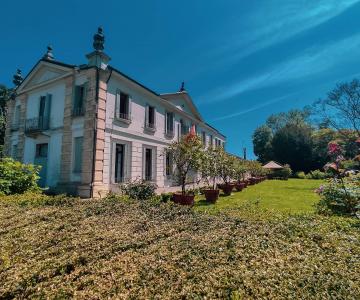
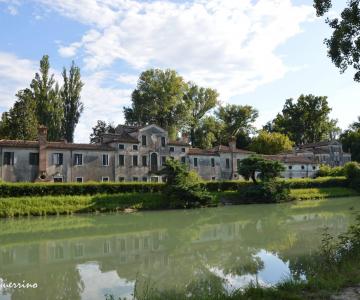
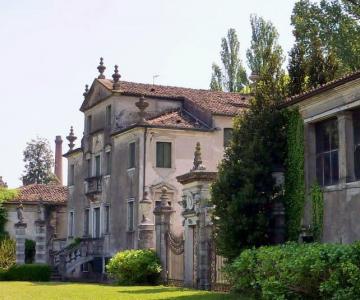
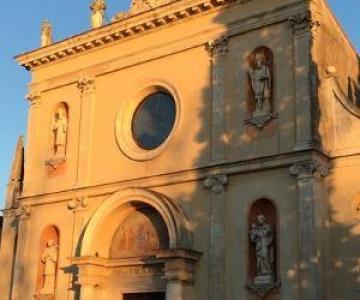
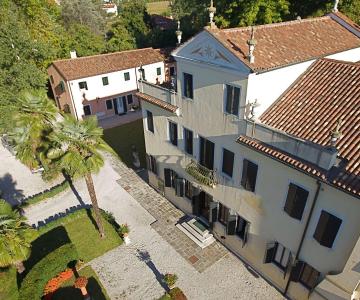
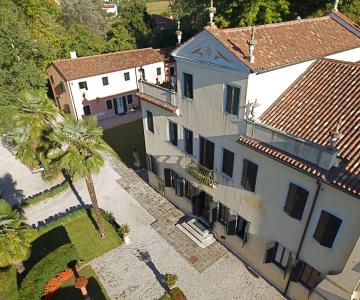
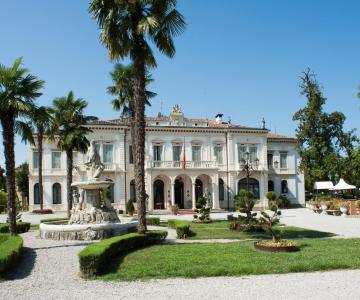
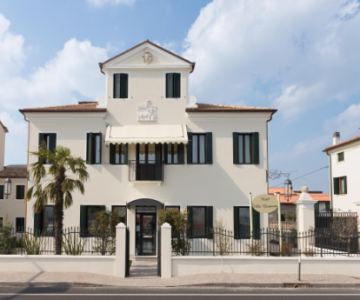
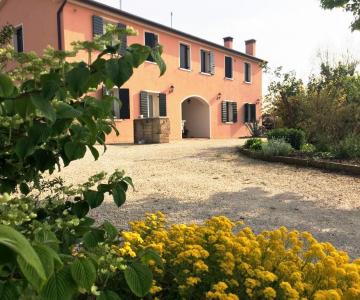
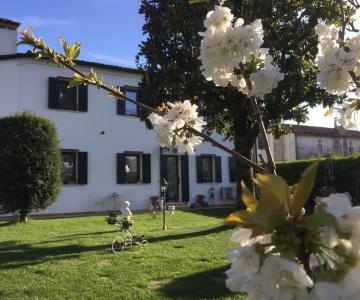
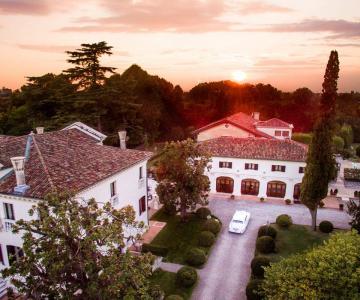
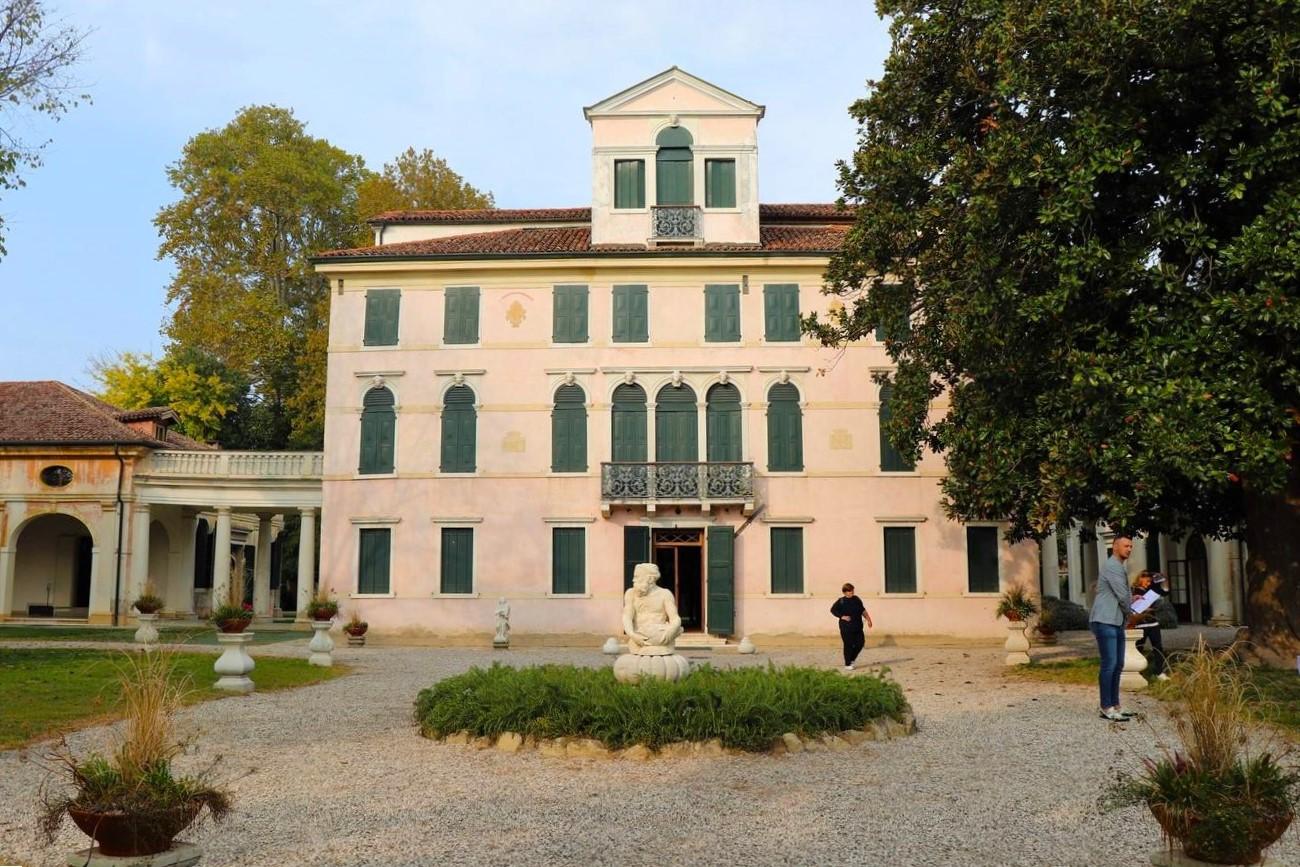
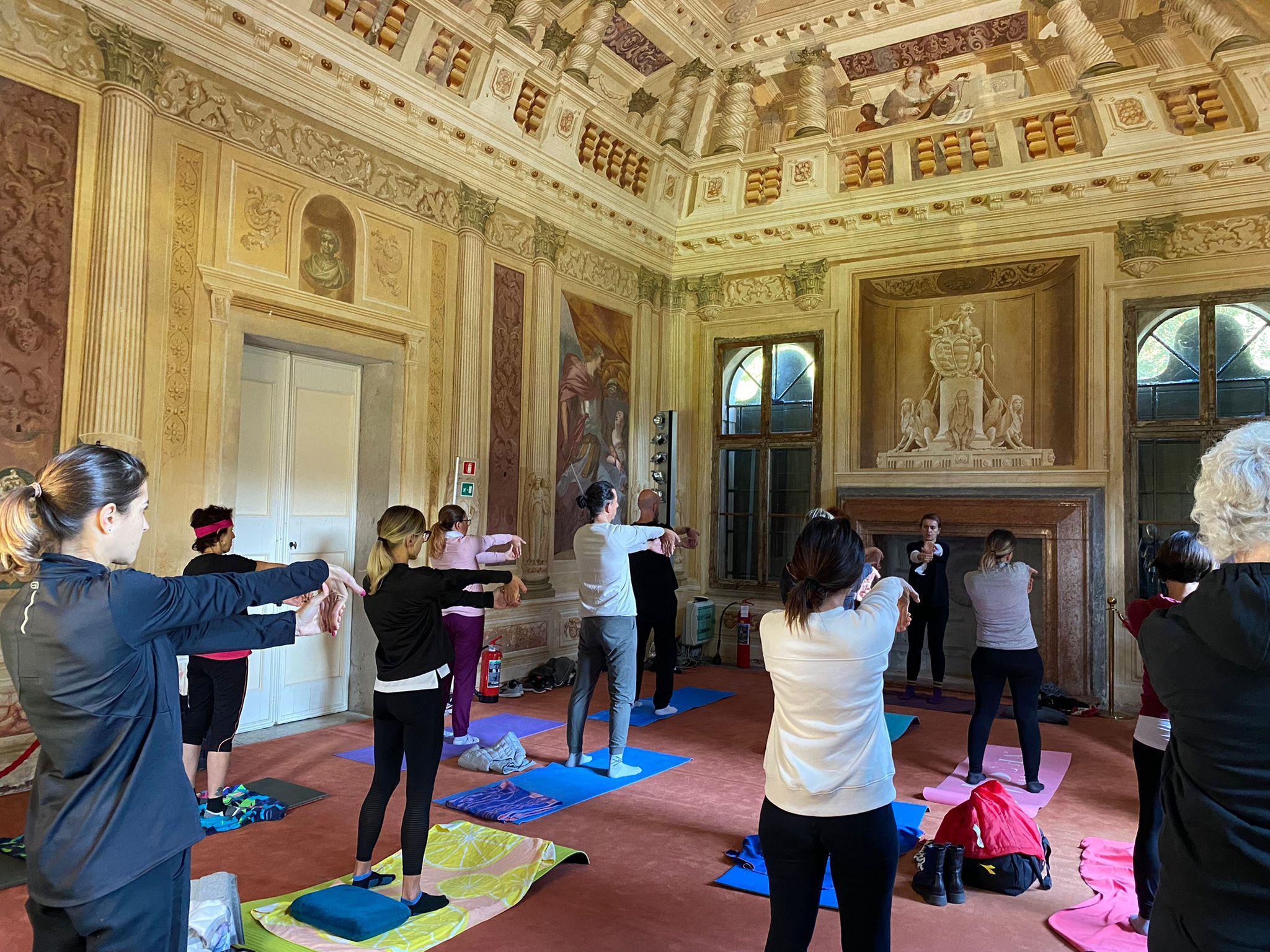
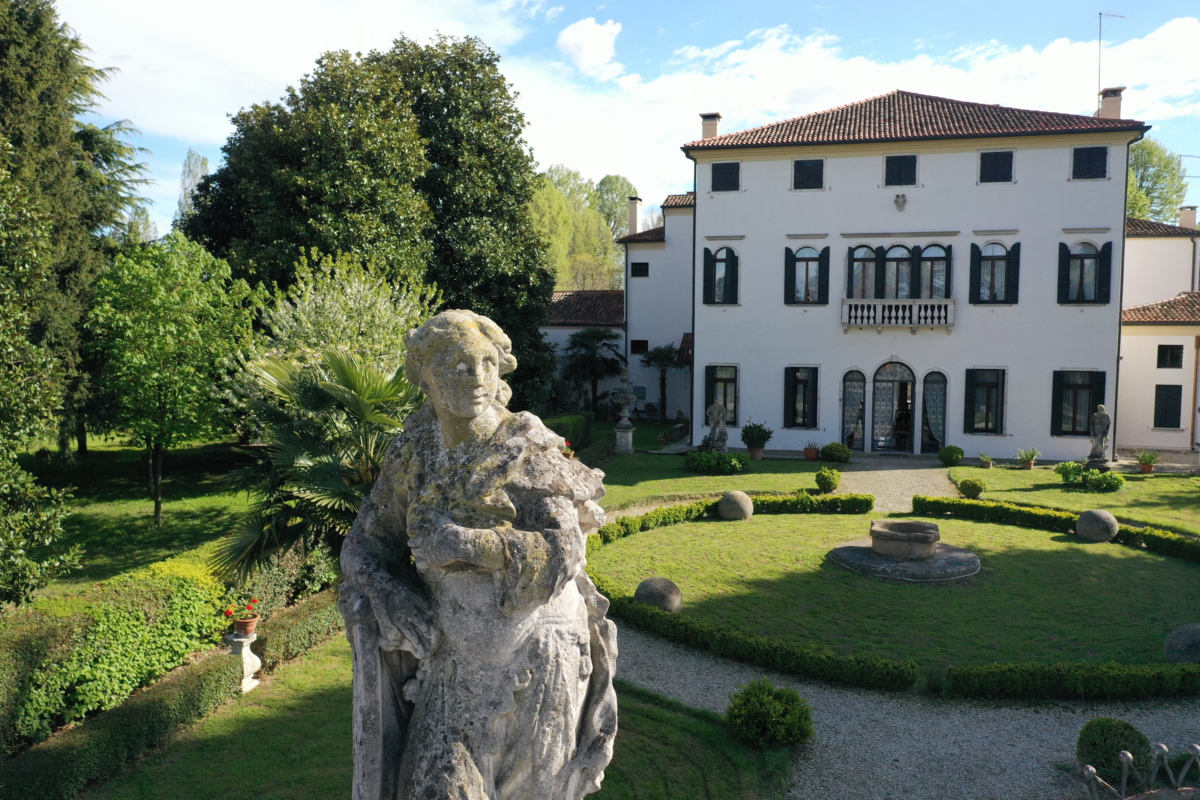
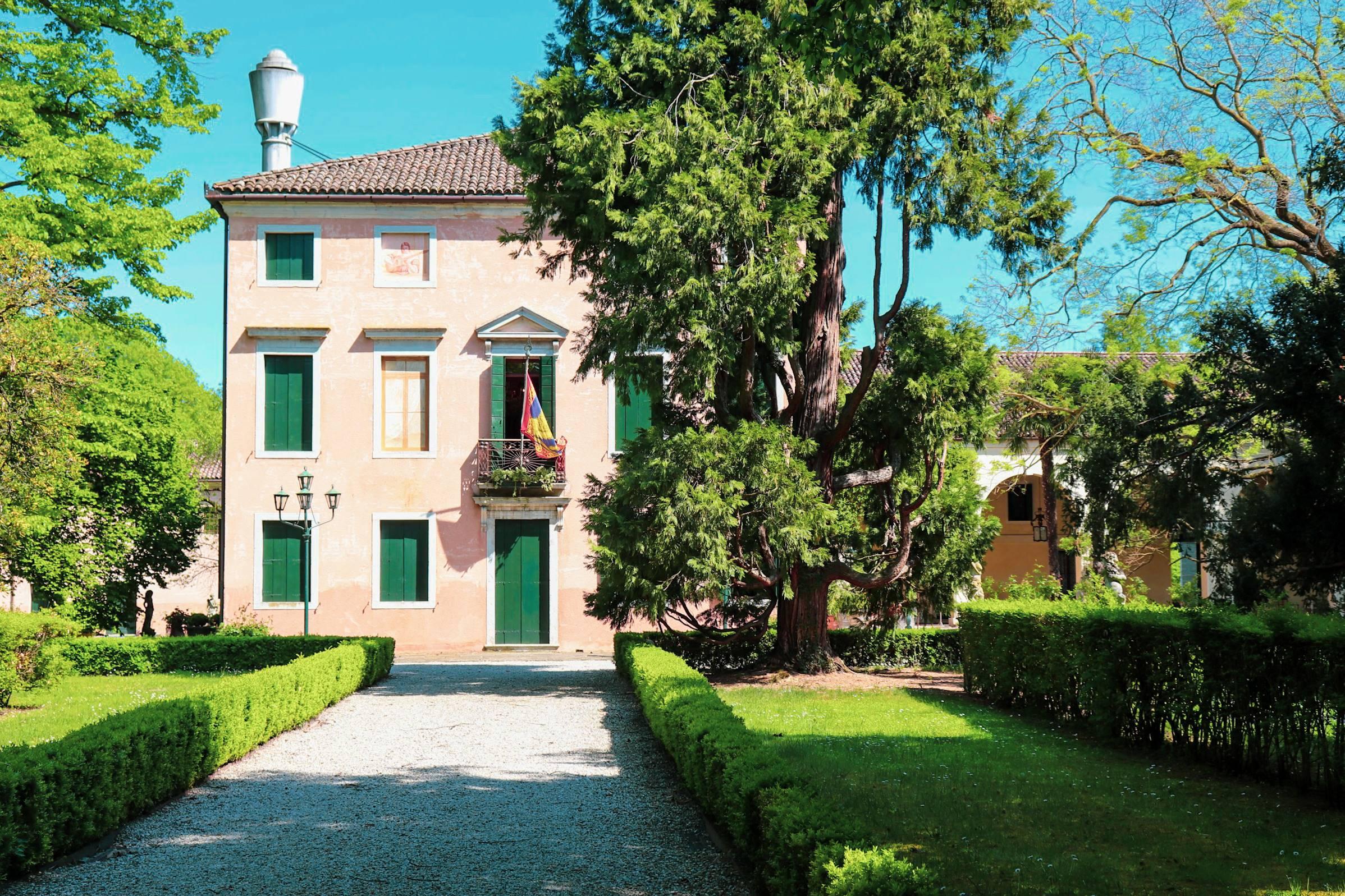
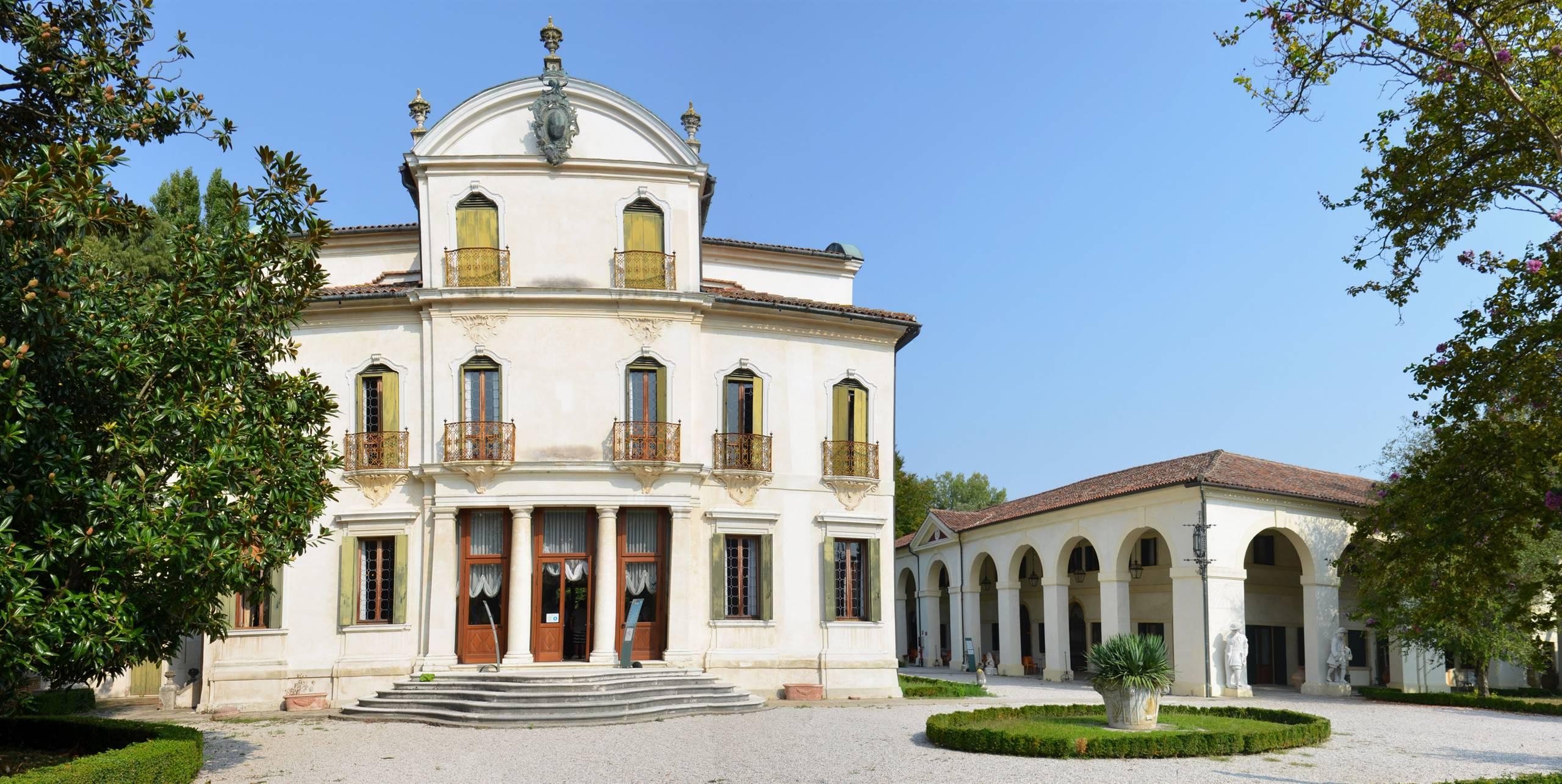
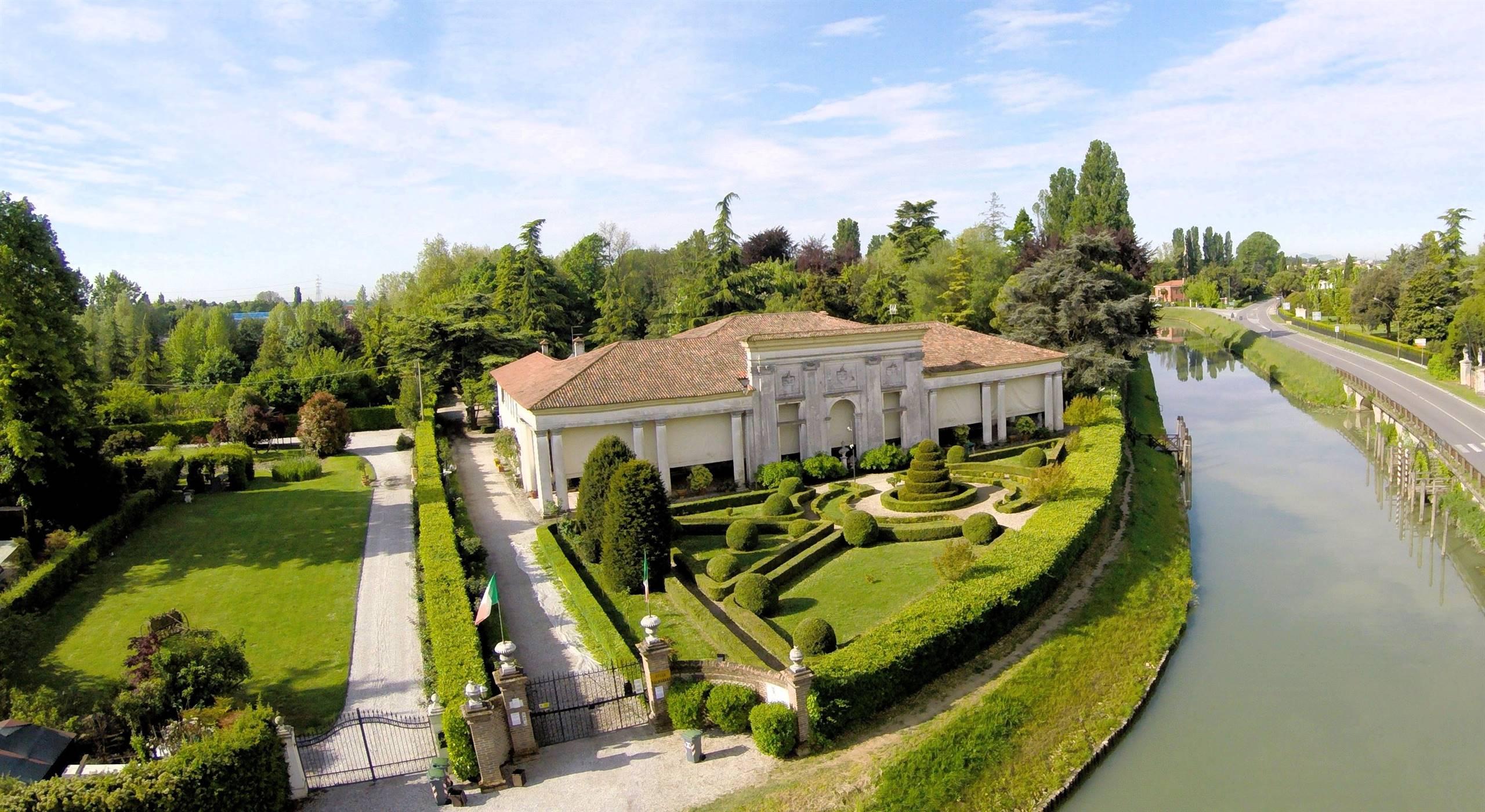
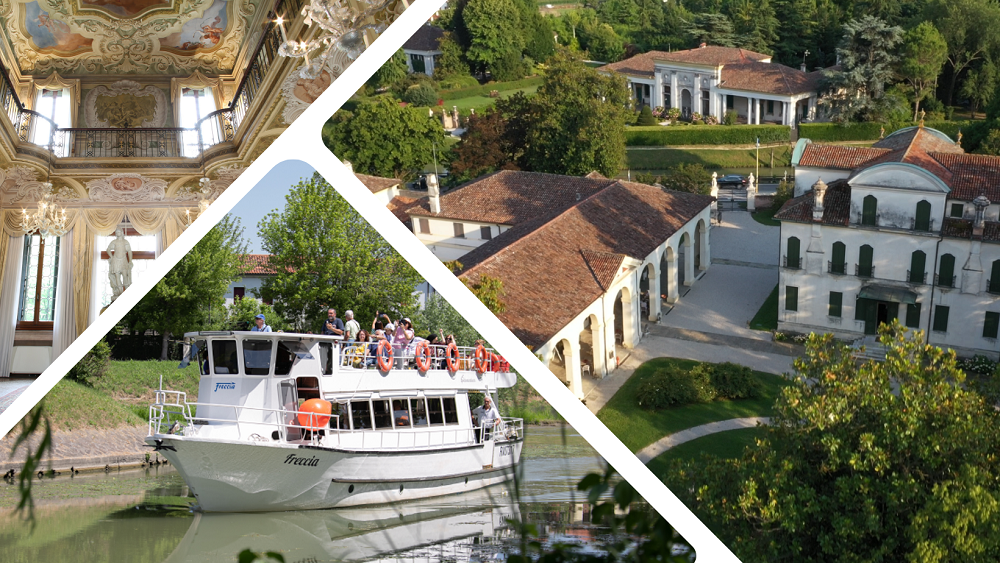
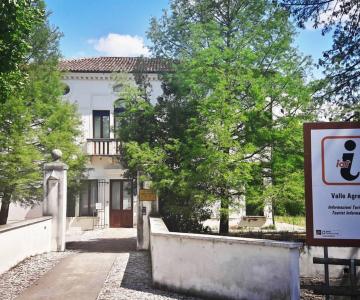
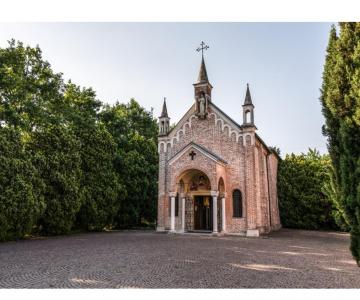
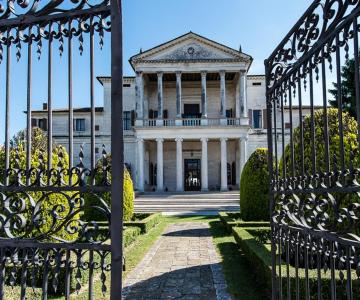
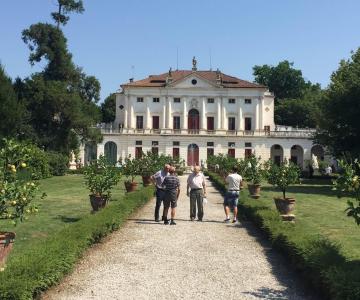
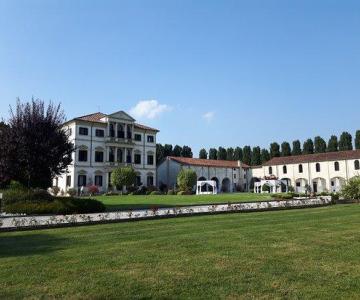
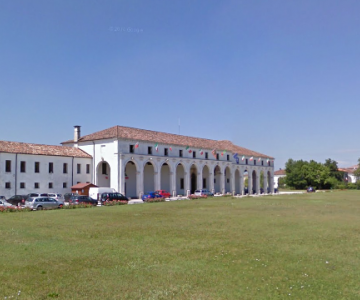
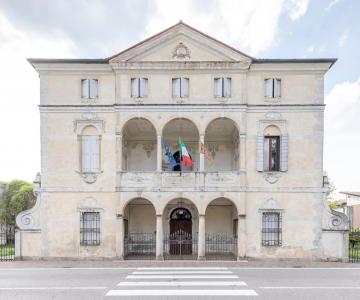
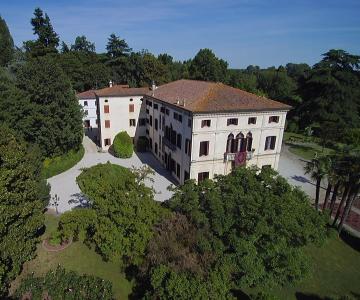
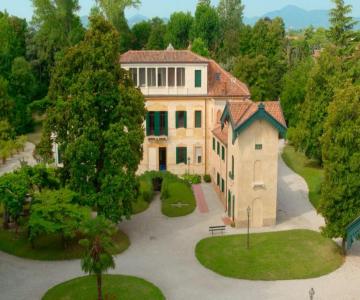
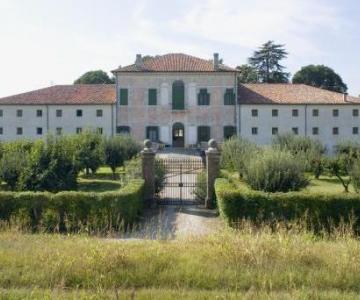
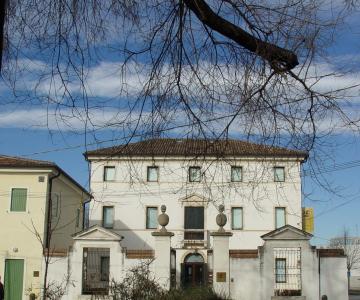
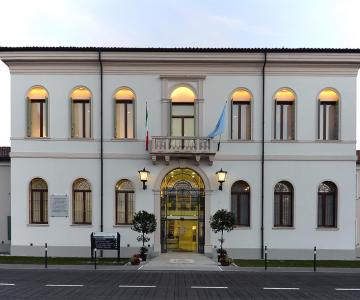
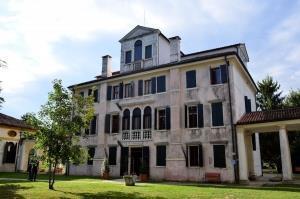
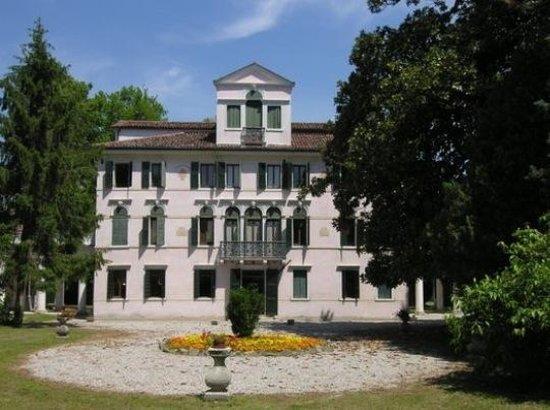
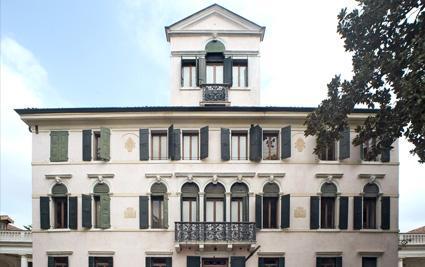
The complex of the Villa, set in a modest park, consists of a central body originally in a square plan, two detached lodges or Barchesse, and an Oratory with adjacent areas on the east side. In the engraving left by Coronelli in 1709, the central body appears to consist of a ground floor, first floor, and a second floor with a loft having square windows and a four-pitched roof. Costa, in his engraving of 1750, shows us instead the second floor with larger proportions and a third floor loft with a cross vault. Currently, the central body has a rectangular plan because in the early 19th century it was enlarged with the addition of small rooms along both sides for the full height. Perhaps this enlargement was the work of architect Carboni, who, and this is certain, added porticoes to connect the two Barchesse to the central body. The left (west) Barchessa or lodge consists of a basement with a vaulted ceiling, three halls decorated with frescoes, and at the front, a portico with five archways now closed off with wooden fixtures. The right (east) Barchessa consists of a hall also decorated with frescoes, stables, warehouses, and on the loft floor, rooms for the staff. It is also equipped with a portico with seven archways, now partially closed off with fixtures and partially (the last two arches) with masonry. The Oratory that currently exists at the southeast corner of the property was rebuilt in 1752.