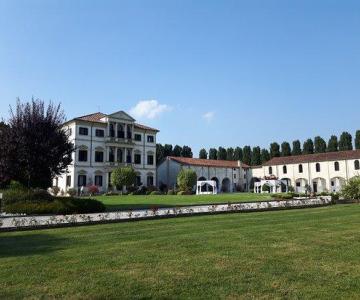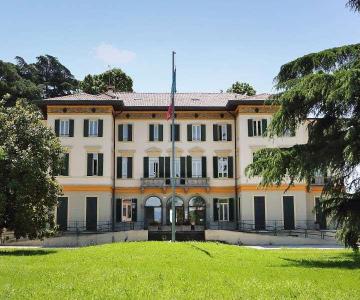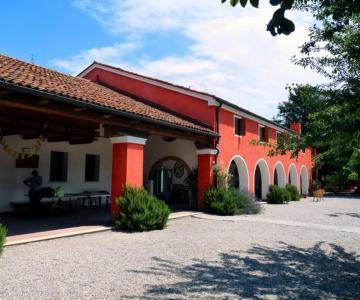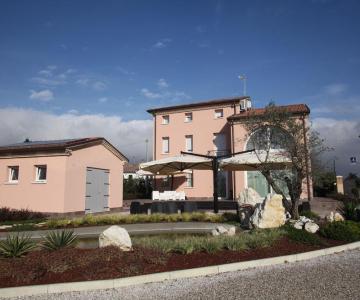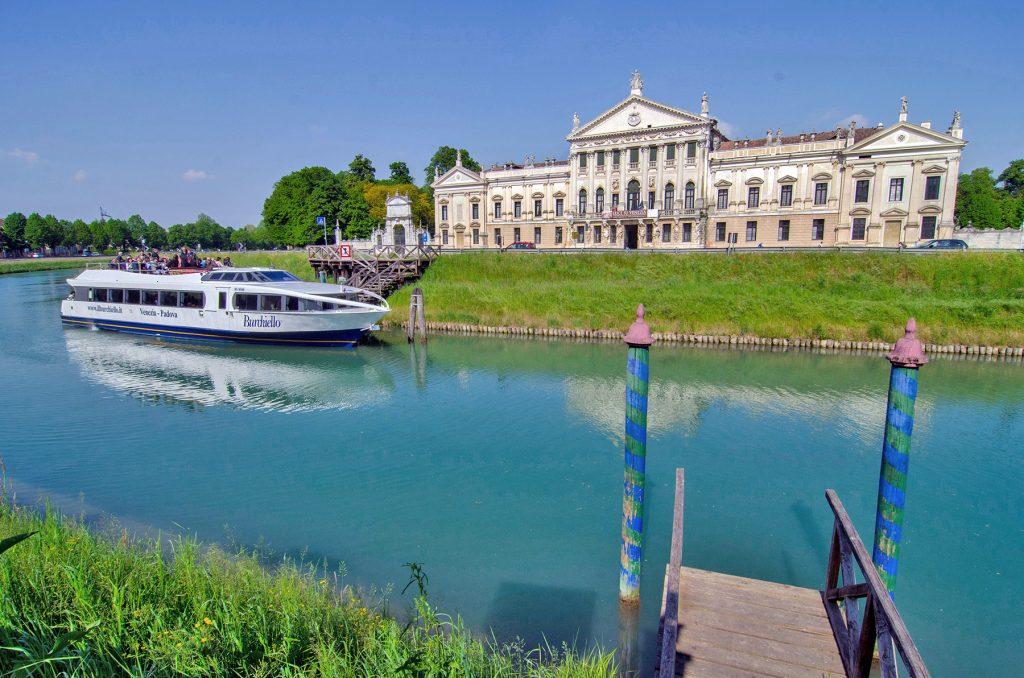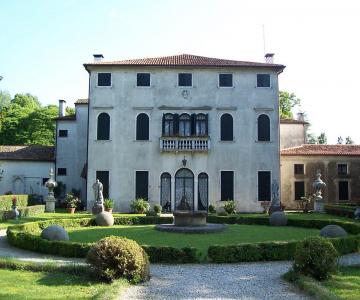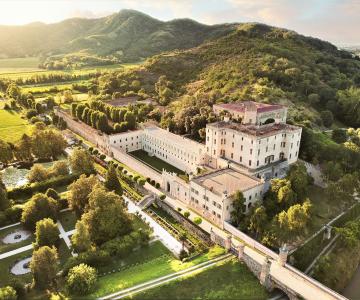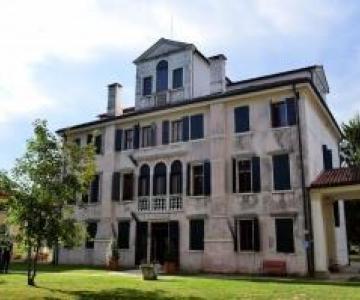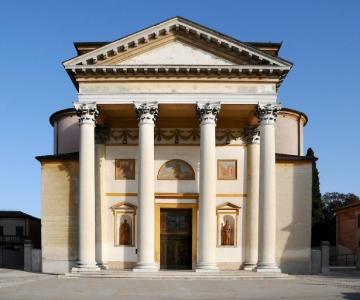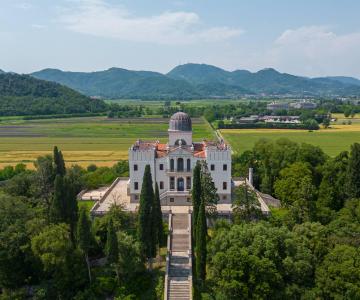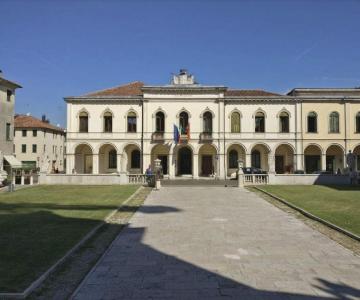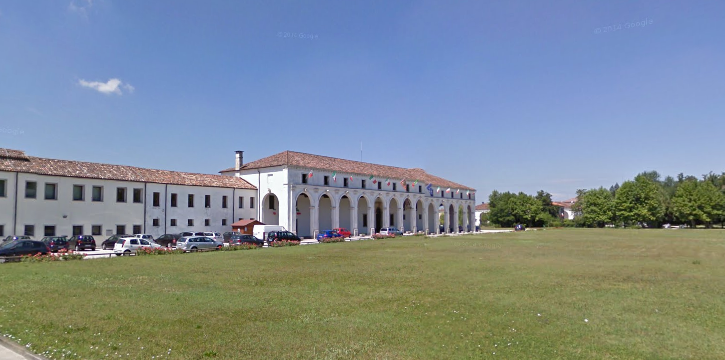
The original complex included the central body of the three-storey villa, with a large staircase and twin barchesses on the sides connected, with two semi-circular Andites, to the two side entrances.
The Fini family, following the example of many other Venetian families, participates in the race to invest mercantile capital towards real estate purchases on the mainland. In 1662 he purchased from the Lateran canons of S. Giovanni di Verdara several plots of land with houses and other goods. There are not many documents, especially cartographic ones, that allow us to determine precisely the time of construction of the villa. The only design available to us is dated 1722, 60 years after the purchase of the Fini.
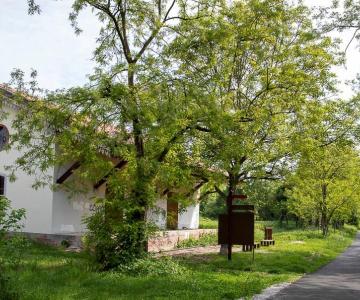
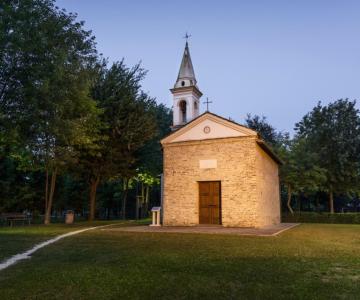
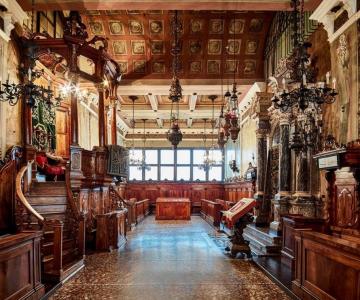
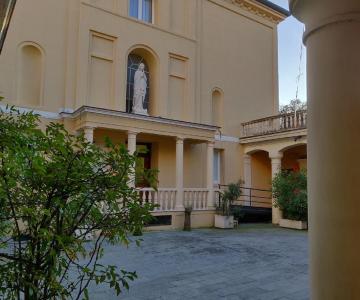
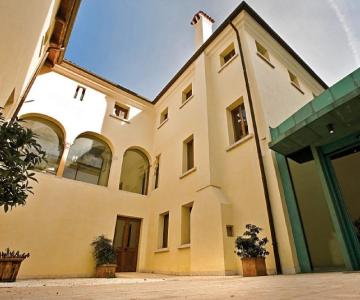
Today, of the imposing complex represented by Villa Fini, only the majestic barchesses with elegant arches and the oratory of the Blessed Virgin of the Rosary remain. It is not known how the villa was demolished, however this must have happened at the end of the 17th century, when the economic situation of the Fini family was in decline. In 1813, Girolamo Fini’s widow sold most of her property (including the left-hand boat) to Francesco Morsari from Padua. He died in Padua on February 20, 1850 leaving almost all his property in inheritance to the House of Hospitality in Padua. In 1982 the left barchessa was purchased by the municipality of Limena and completely restored today it has become the seat of the town hall.