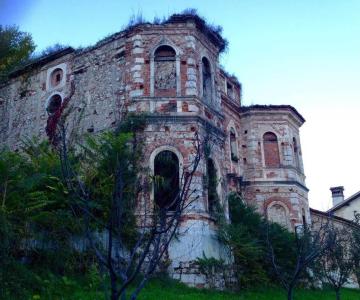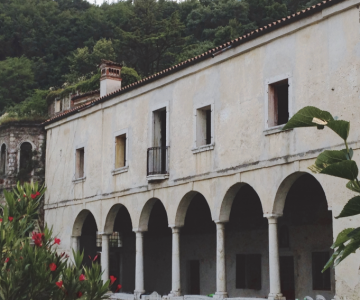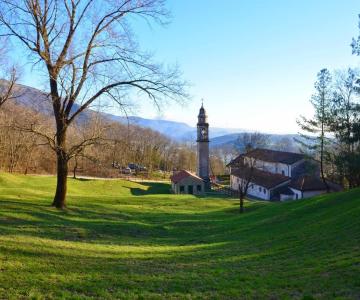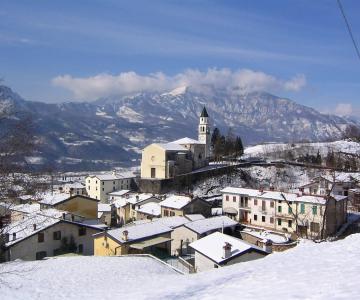
On December 23, 1869, the Rossi wool factory was opened in an area that, at the time, was part of the parish of Piovene.
Thanks to the productive settlement of Alessandro Rossi in the Rocchette area, the demographic increase saw a notable rise in the early years of the factory's operation.
The growth of the population sparked the idea of providing specific religious assistance to the new community.
In 1920, the wool factory made a building available to the parish within the worker's district, where mass could be celebrated.
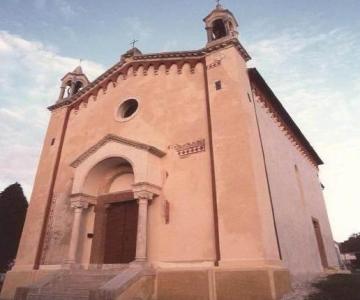
In 1921, a permanent priest was assigned, and on July 5, 1928, Rocchette became a curacy dependent on Piovene. The factory hall was enlarged and equipped with a main altar made of marble dedicated to Saint Joseph. Subsequently, two more altars were added, and the church was dedicated to Our Lady of Help and to Saint Anthony of Padua.
On January 17, 1954, Bishop Monsignor Girolamo Bortignon elevated the curacy to a parish.
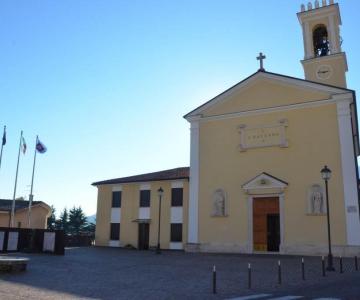
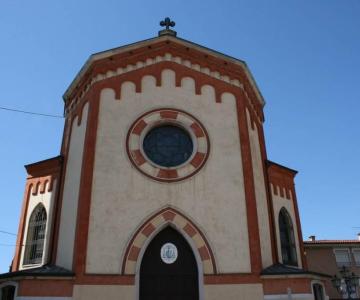
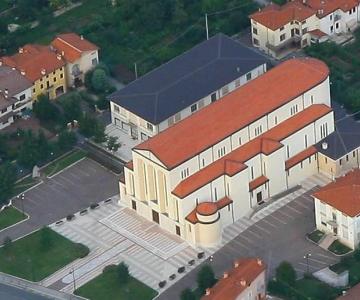
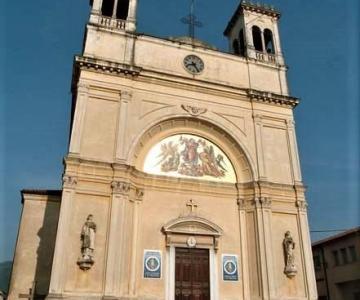
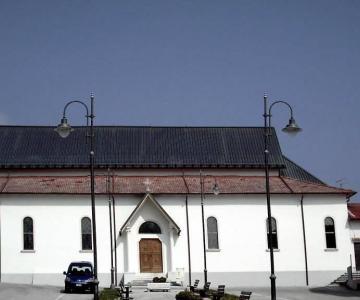
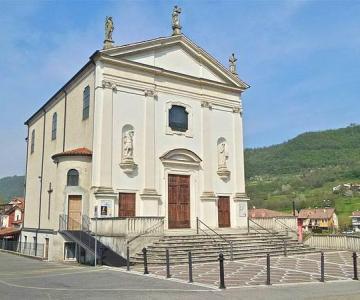
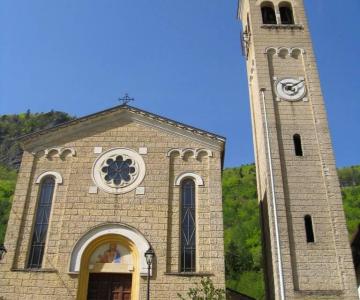
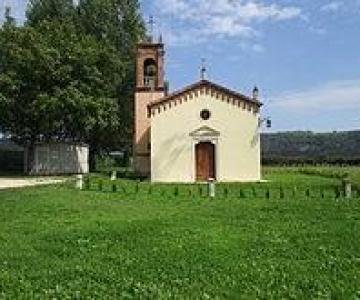
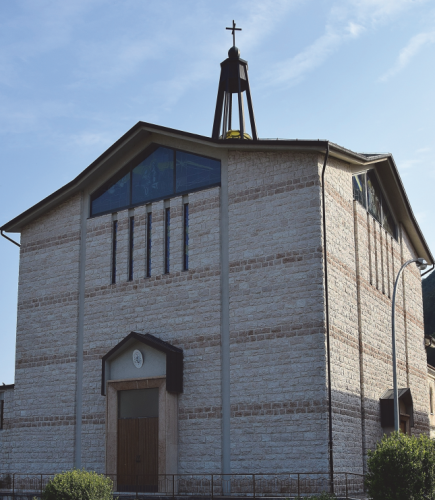
In 1960, the first stone of a new church was blessed, consecrated on March 19, 1970. In 2009, its renovation was completed. In the presbytery of the parish church of Rocchette, there is a mosaic created in 1962 depicting Saint Joseph, the work of the Vicentine sculptor and painter Bruno Vedovato. The saint is depicted holding a blossoming rod, and at his feet are the carpenter's tools. A second mosaic, attributed to the same author, is applied to the wall of the left nave, representing the Madonna with the Child Jesus in her arms.