The International Library “La Vigna” is a cultural and documentation institution specializing in the field of agricultural sciences and peasant civilization, with a particular focus on viticulture and oenology, as well as a rich section dedicated to gastronomy.
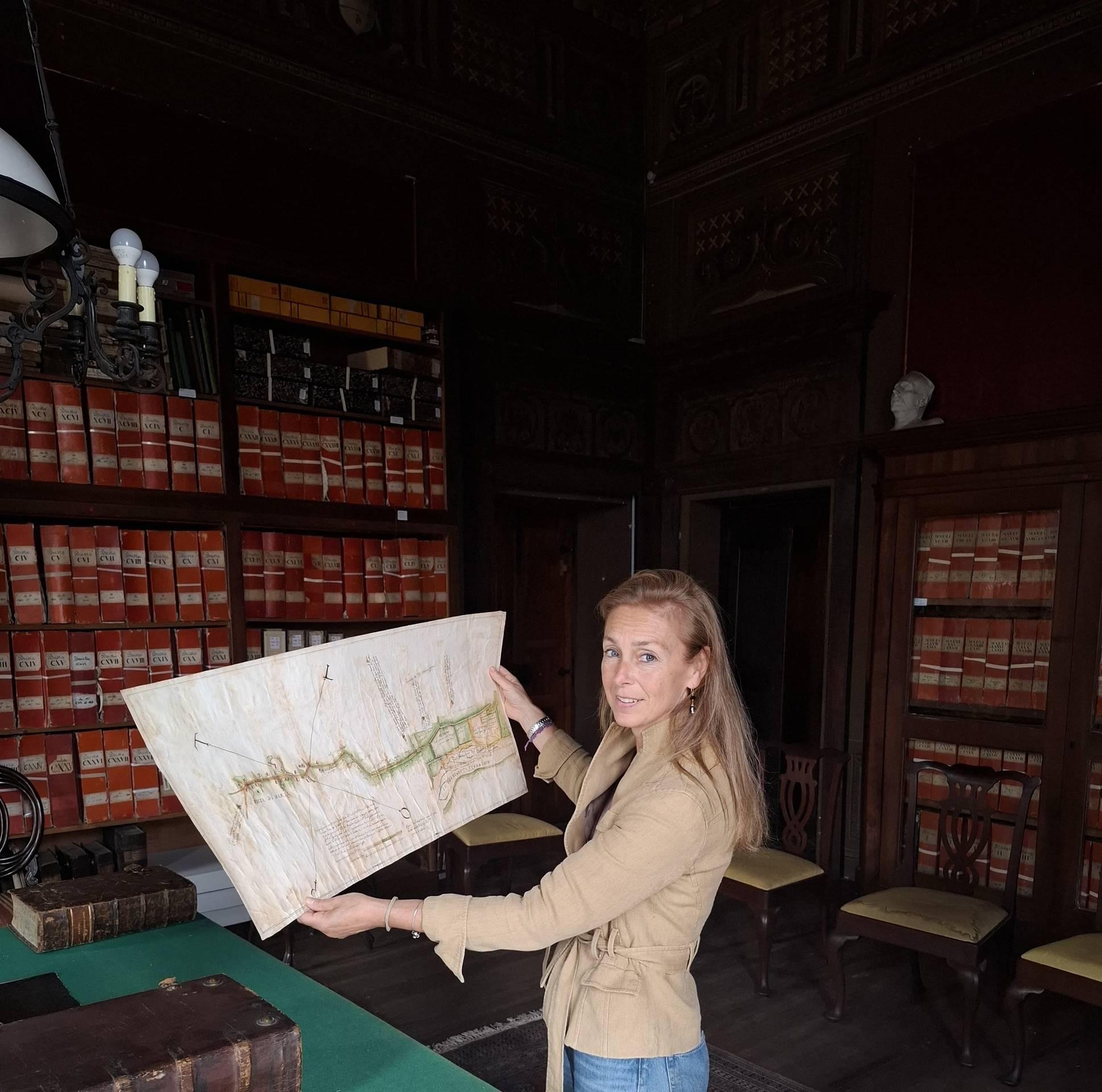
The institute has a library collection of about 62,000 volumes, dating from the 15th century to the present day, fully cataloged in the National Library Service and made available to users through a dedicated OPAC, which can also be accessed via Italian and foreign meta-OPACs.
Through the ancient books (approximately 2700) that the Library preserves and the modern volumes, it is possible to study the evolution of knowledge and the progress that humanity has achieved in the various disciplines broadly encompassed by Agricultural Sciences: from land cultivation (agricultural practices, tools and machinery, products of the land) to animal husbandry. Topics such as the History of Agriculture and Peasant Civilization, Culinary Arts, and the History of Gastronomy can also be explored.
Viticulture and oenology are the main subjects of the library collections of “La Vigna” because these, along with gastronomy, are the disciplines on which the founder Demetrio Zaccaria initially focused his attention.
In addition to the general collection started by Demetrio Zaccaria and constantly updated after the founder's death, the Library "La Vigna" has acquired over the years some special funds dedicated to topics of particular interest: agricultural sciences, economic history, gastronomy, and hunting.
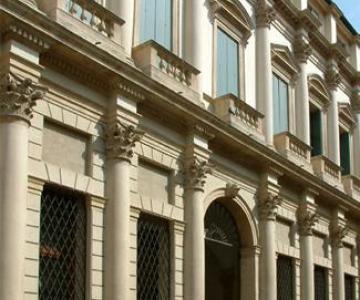
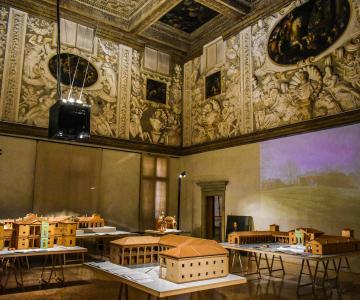
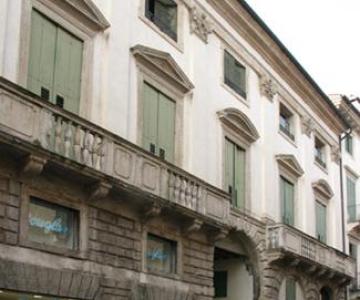
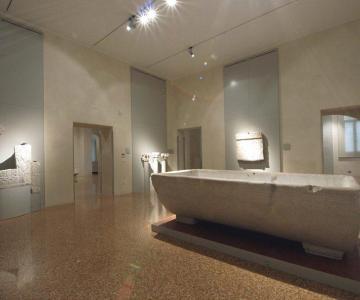
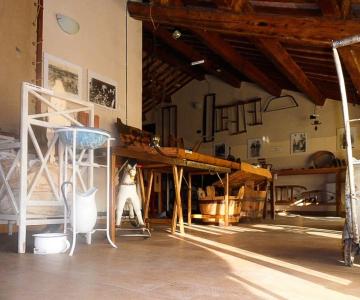
An essential environment of the highest spatial quality, where natural light is the absolute protagonist. This is the Scarpa Space, located on the top floor of Palazzo Brusarosco-Zaccaria, designed in the 1960s by architect and designer Carlo Scarpa.
The large central area has been defined by Scarpa himself as a kind of "square," where light reflects on the stone floor creating reflections reminiscent of the movement of water. The ceiling with unequal rectangular sectors, finished in gray spatulated plaster, recalls the geometric composition of Japanese walls. The side rooms, on the other hand, accommodate the private spaces.