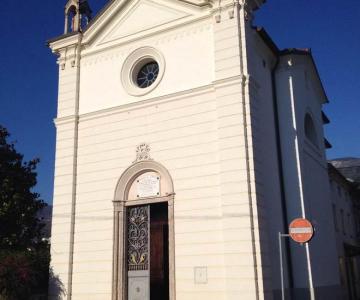
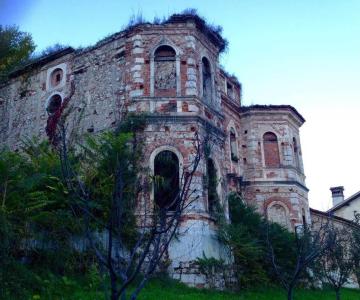
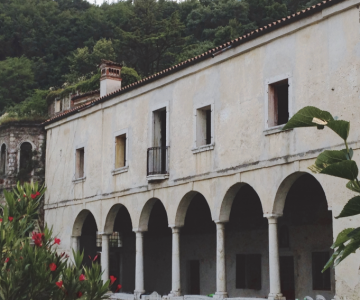
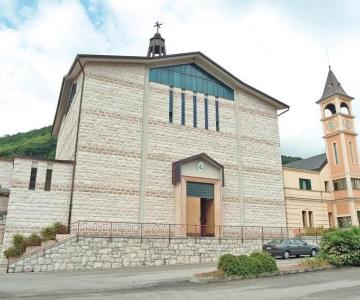
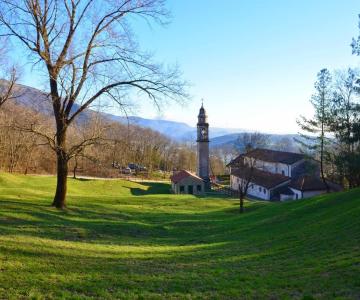
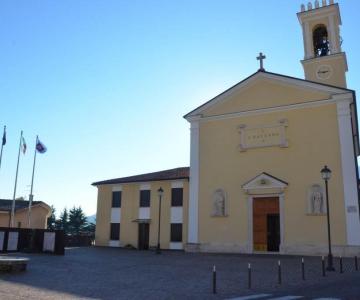
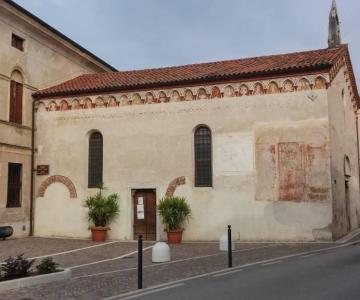
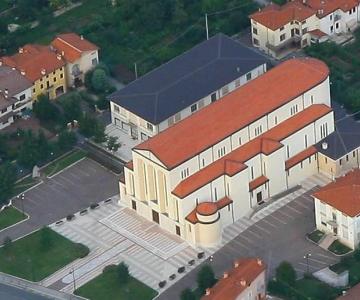
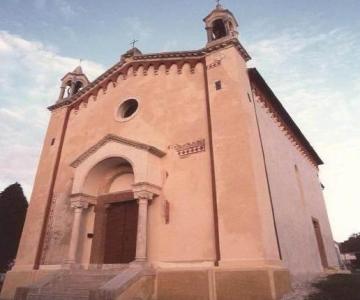
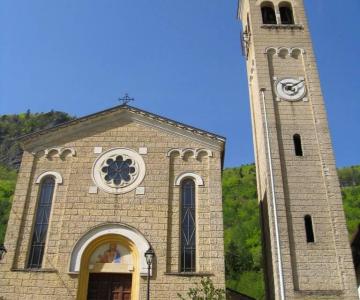
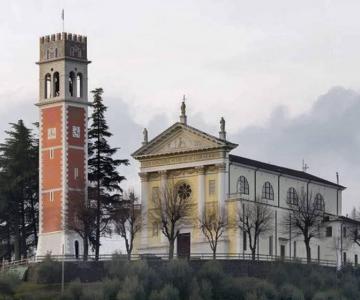
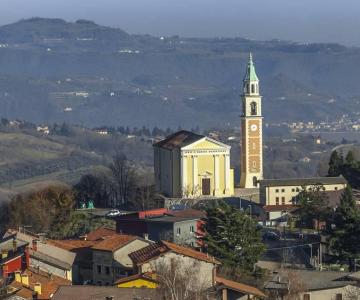
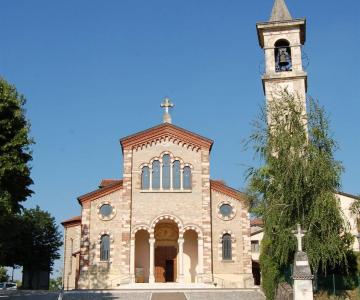
According to reliable historical sources, the first records of the Church of Santo Stefano date back to the year 1262.
The church houses the relics of Blessed Forziano of Strasbourg, placed at the altar of St. Anthony. The blessed died while he was at Castel Manduca (the road connecting Piazza Forziana with Via dell’Angelo) and was subsequently buried in these locations.
The marble plaque located at the same altar, as well as the lead tablet found on the body of the blessed, dates back to 1382, the year of the body's discovery.
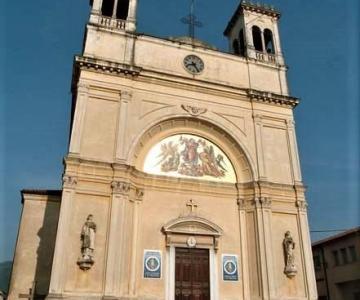
However, the date of death is believed to be 1372. The primitive church was demolished, rebuilt in its current form, and consecrated in 1746 by Cardinal Rezzonico, Bishop of Padua, who later ascended to the papal throne under the name Clement XIII.
In the course of the 1800s, work was carried out on the façade, the roofing of the ceiling, and the apse.
The bell tower, in neoclassical style, like the church, was built between 1824 and 1829 according to the design of Venetian architect Antonio Diedo.
The last restoration took place in the late '80s. Inside the rectory, there is a lead plaque found on the remains attributed to Blessed Forziano.