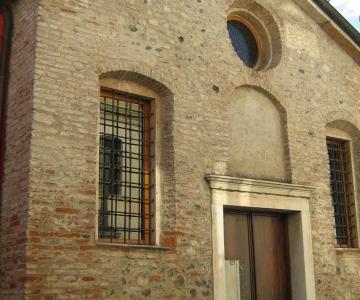
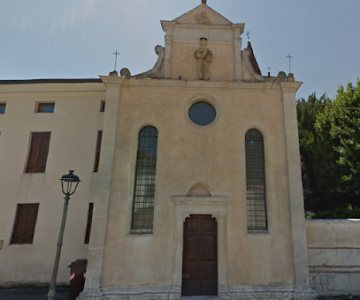
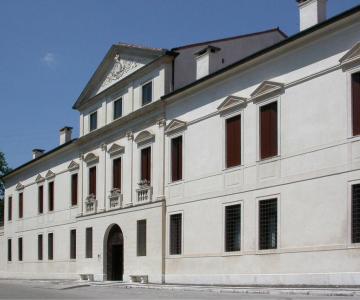
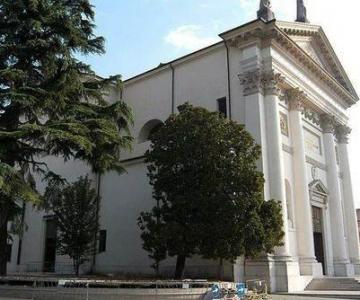
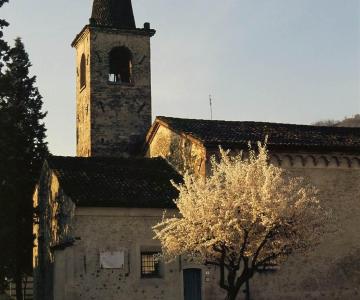
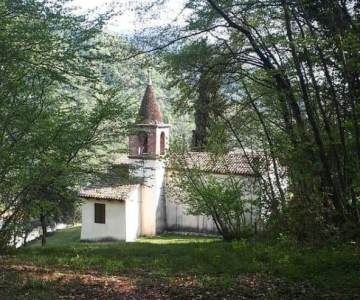
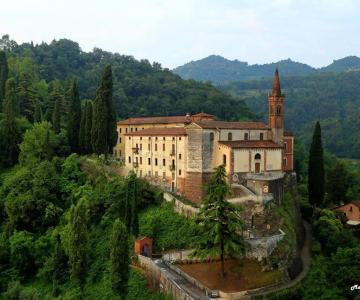
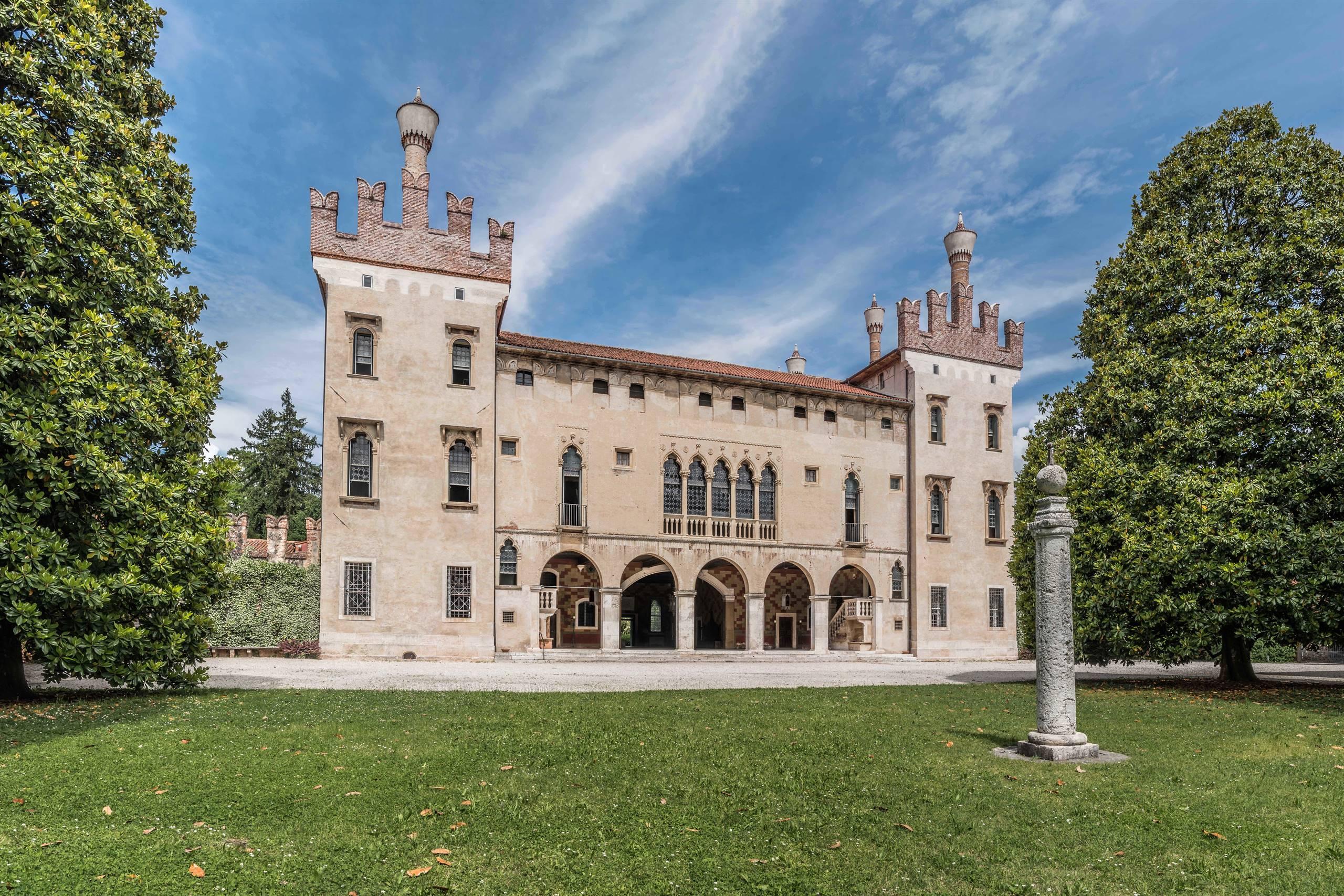
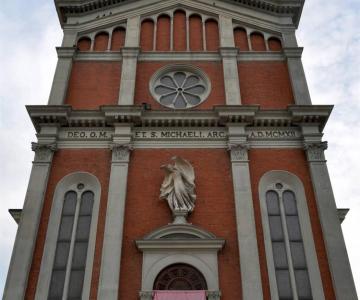
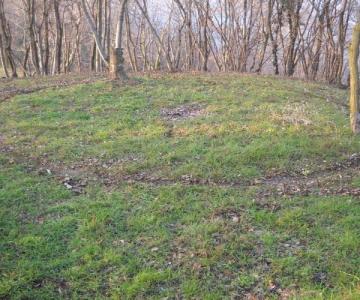
Referring to customs found in other parts of Vicenza, it is likely that a pagan temple once stood on the hill, which St. Prosdocimo, the first evangelizer of Venetian lands, had demolished to build a chapel dedicated to the Virgin. Subsequently enlarged, it would give rise to the parish of St. Mary Assunta (7th - 13th century), in Byzantine style.
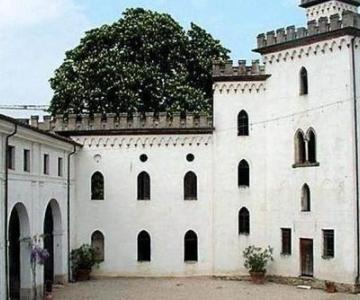
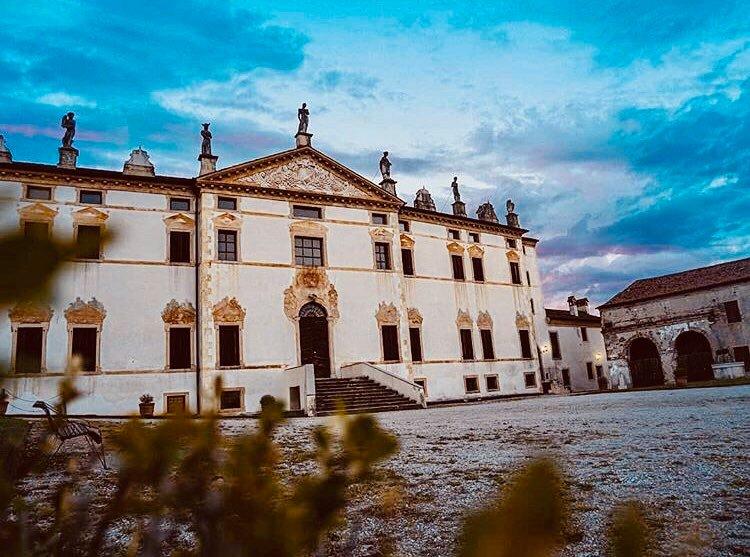
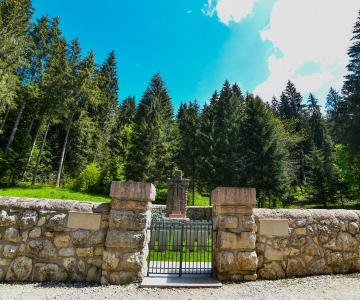
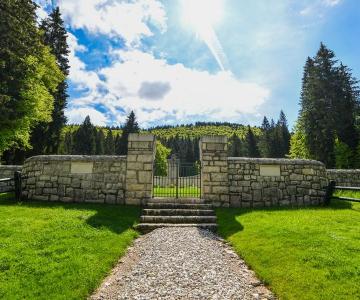
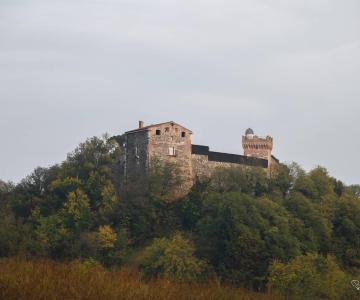
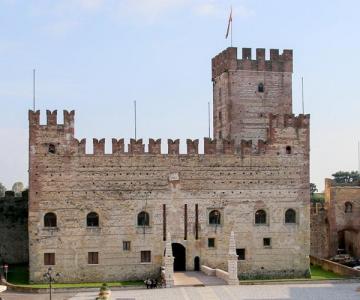
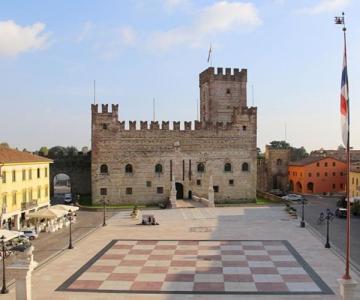
It housed the baptismal font and the cemetery. The original building probably stood in the area of the current choir. Around it, in the 10th century, the Castle was built as a defense against Hungarian invasions.
In the 14th century, the construction was larger. In the elevated space, there were three altars: it was accessed from the hall by means of steps. The central altar was dedicated to St. Mary; beside it, on the southern wall, was the small chapel of Saints Leonzio, Capoforo, Eufemia, and Innocenza.
On the northern wall, a niche opened, in which a miraculous image known as "Santa Liberata" or "Santa Libera" was venerated. For this, official documents propose the names of St. Maria Antiqua, Maria Assunta, and St. Anna.
On October 1, 1640, Bishop Bragadin named the altar after Santa Maria Liberatrice, which became the official name.