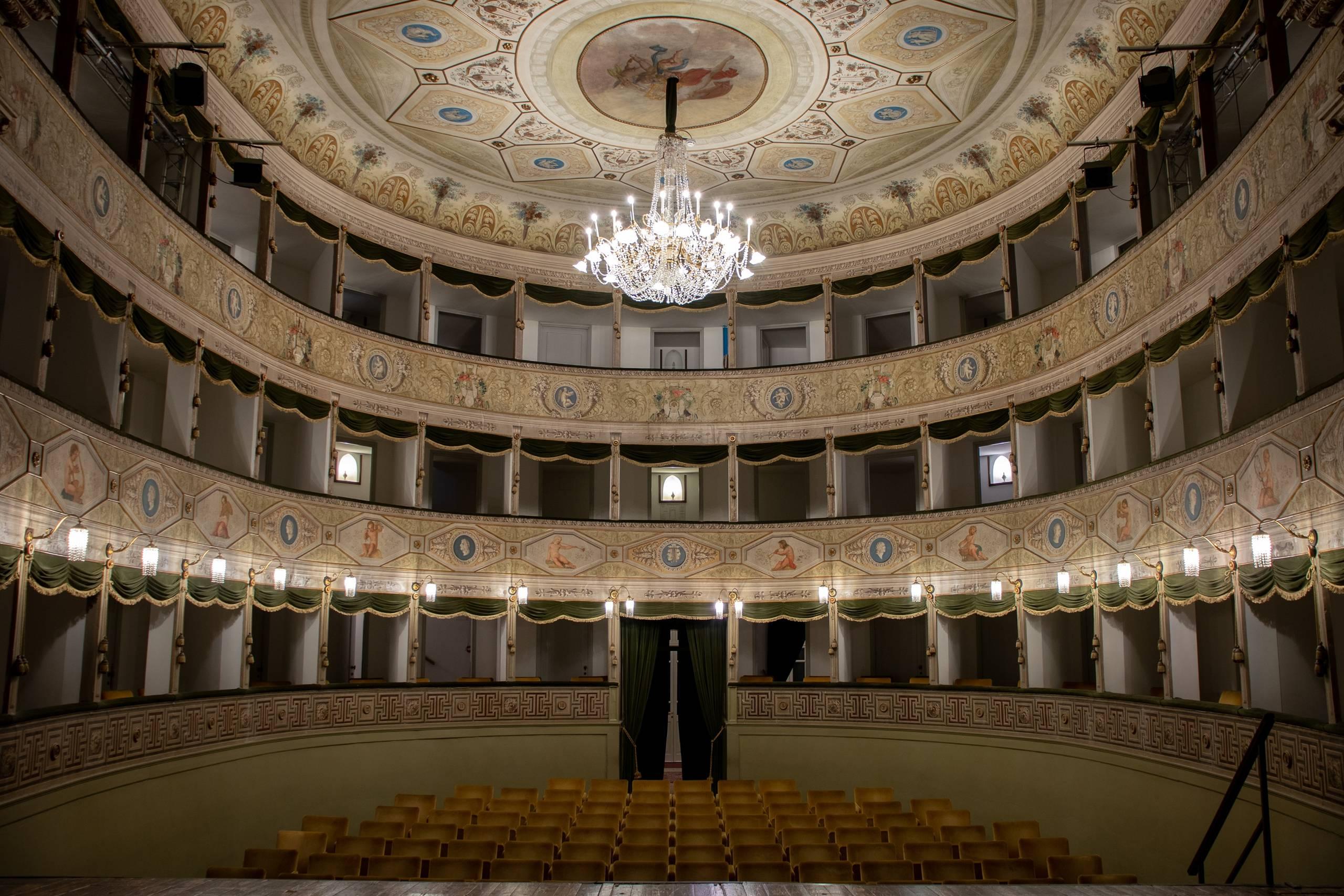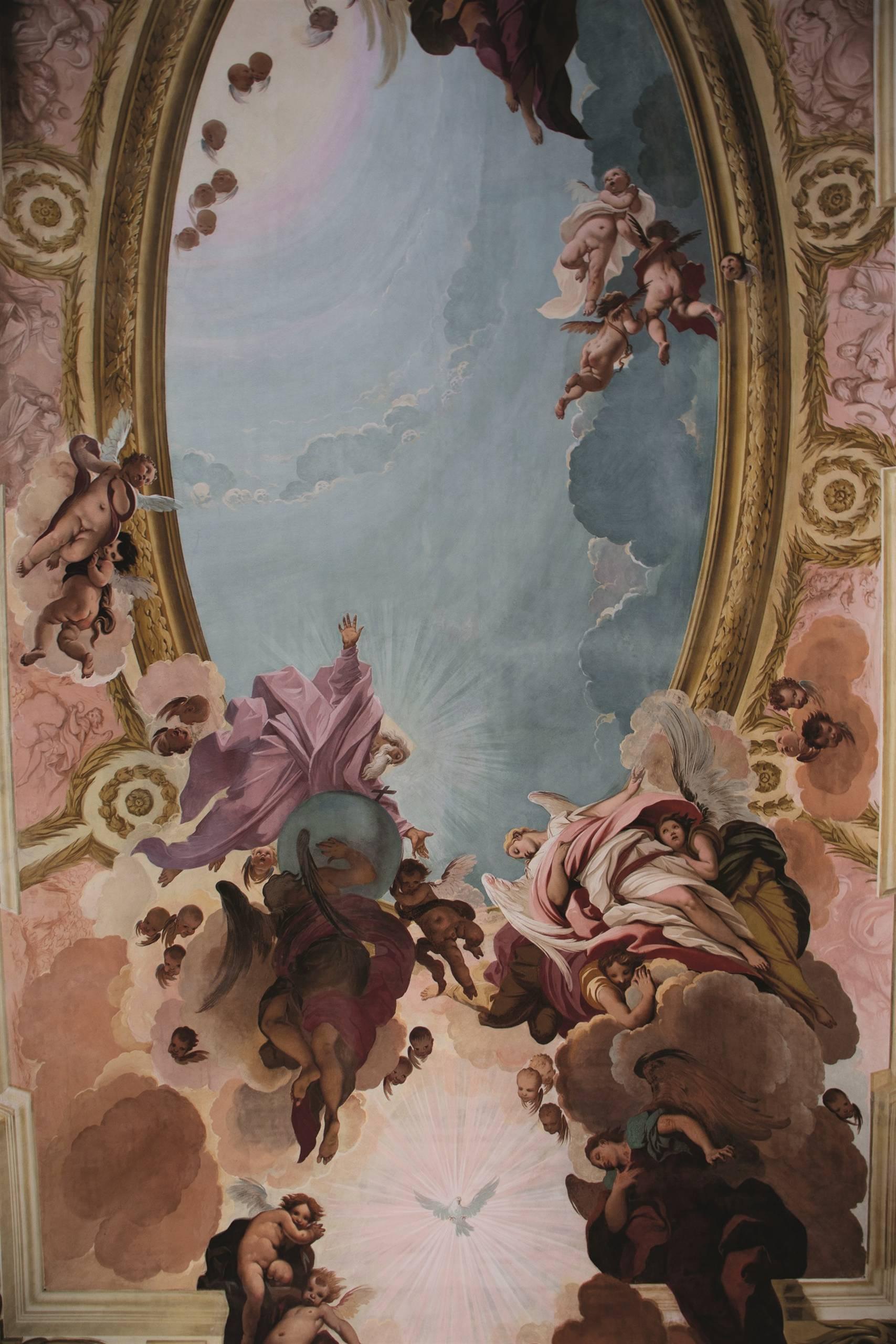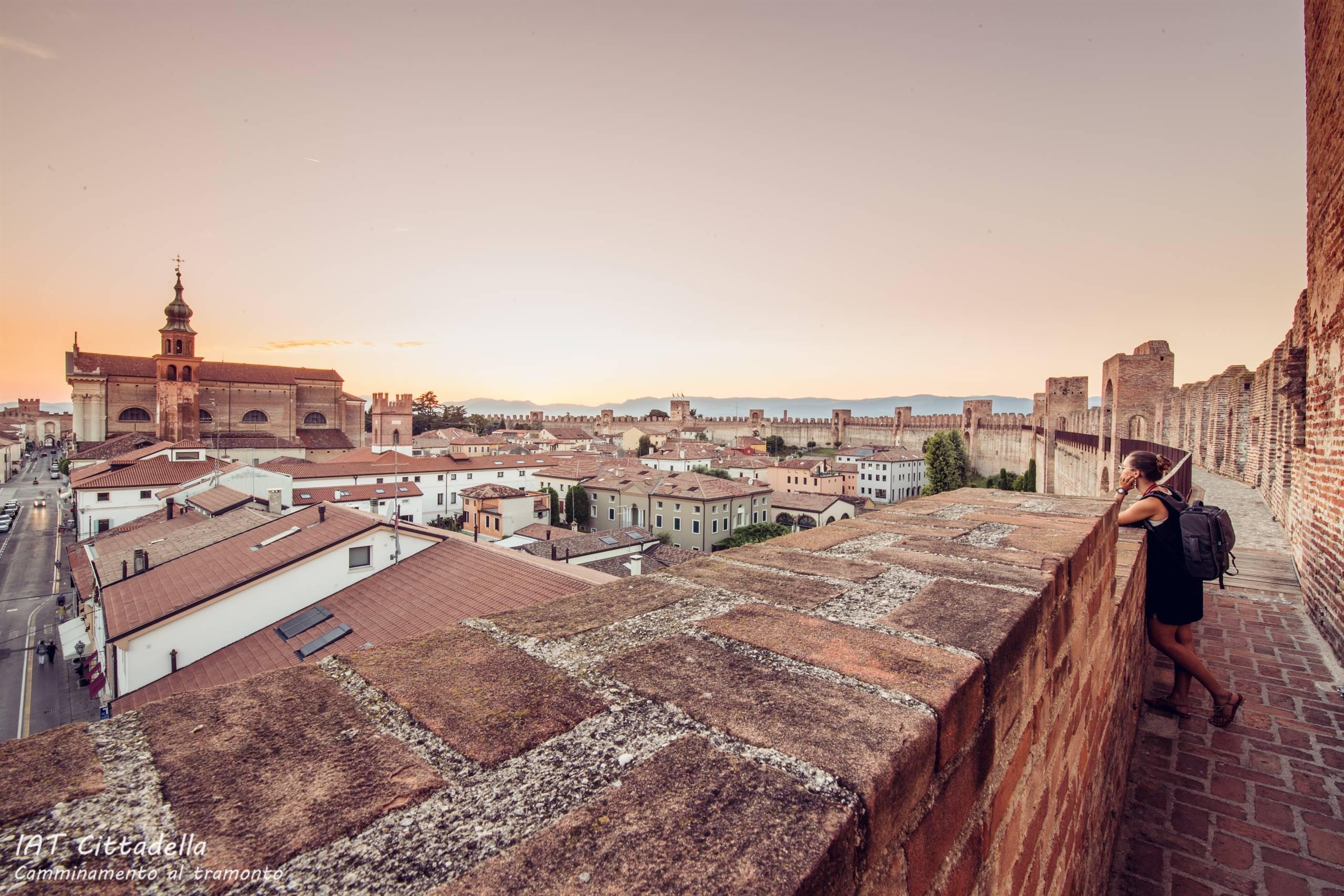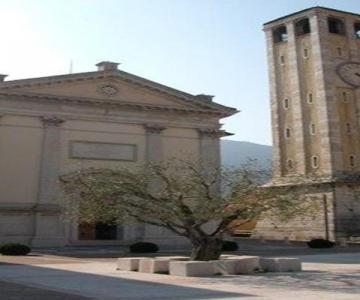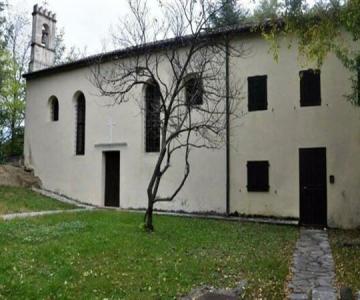
Located at the centre of the castle, the town cathedral was designed by Francesco Maria Preti when he was only 23 years old, replacing an existing Romanesque church. Opened for worship incomplete in April 1746, the façade was only added in 1892-1893, based on drawings by the castle engineer Pio Finazzi.
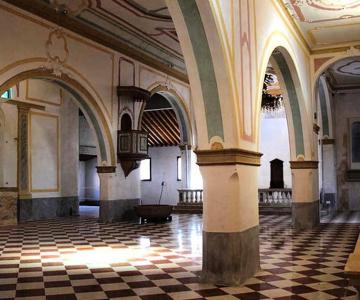
The church is not only Preti's first work, but also the summarising and highest work of his vast design production, in which all his architectural theories are expressed, later taken up in other churches in the area, in the Teatro Accademico in Castelfranco and in the villas Pisani, in Stra, and Corner, in Cavasagra di Vedelago. Preti took as his reference model the Palladian church of the Redeemer in Venice and probably also the Venetian church of the Gesuati. The architect applies the proportional harmonic mean, so that the height of the single, luminous nave is the harmonic mean between its length and width. The entire interior perimeter is surrounded by an Ionic architectural order, punctuated by coupled columns on pedestals.
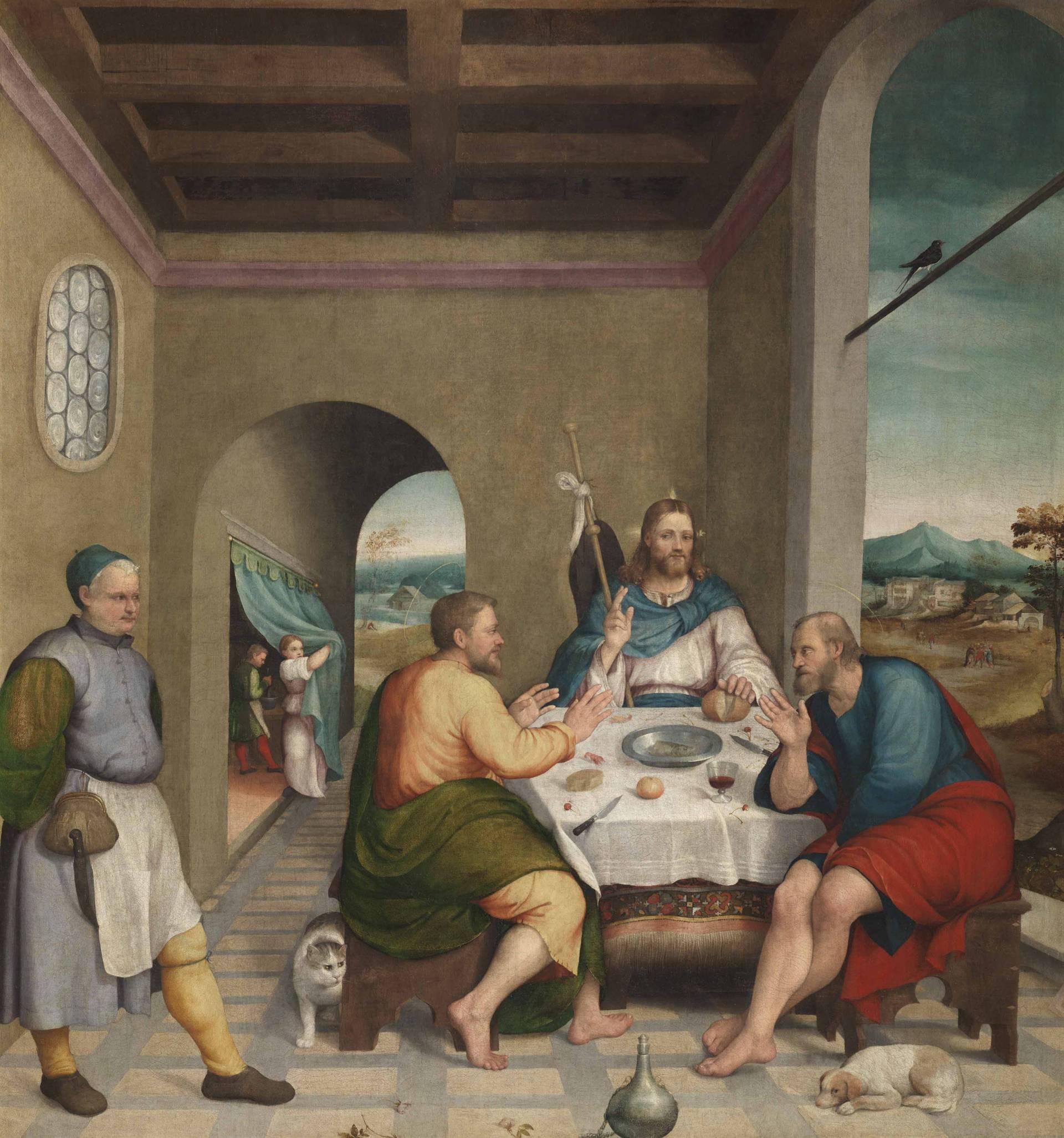
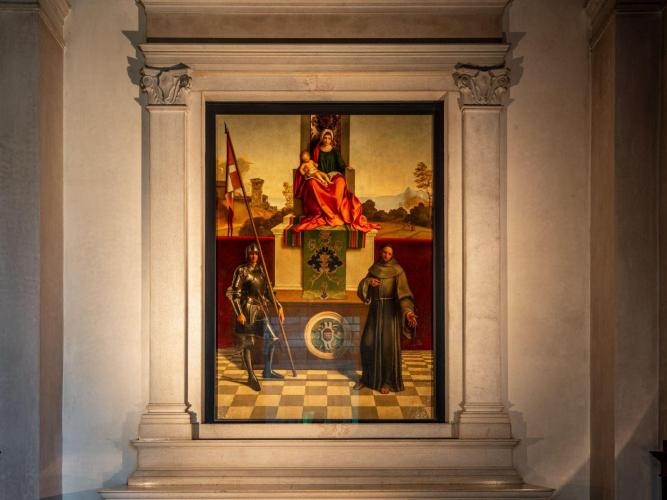
The Cathedral houses the Giorgione Altarpiece, housed in the Costanzo Chapel. In addition to the altarpiece, it houses numerous works of art, including the choir altarpiece with the Descent of Christ to Limbo by Giovanni Battista Ponchini, a collaborator of Veronese, and on the right side, the Martyrdom of St. Sebastian by Palma il Giovane; the 17th-century frescoes torn from the church of the suppressed convent of the Riformati (in Borgo Treviso), depicting St. Bonaventura and St. Anthony Abbot, by Orazio del Paradiso.