There are about 500 species of vascular plants, a considerable richness, representing 14% of the wealth of vascular plants in the Veneto. These species include four species of wild orchids and numerous alpine species, which grow in the site thanks to the phenomenon called "dealpinismo" or fluitation: a phenomenon that sees the Brenta river carrying seeds of alpine species to the plain, species thtat find here micro-stationary conditions suitable for their survival.
The high richness of plant species is reflected, in turn, in the richness of animal species. There are more than 50 species of birds, including sedentary and migratory species, 14 species of reptiles and amphibians, 22 species of mammals, and hundreds of species of arthropods, including dozens of pollinating insects.
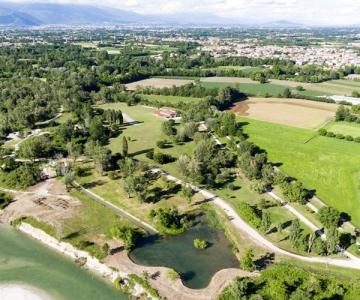
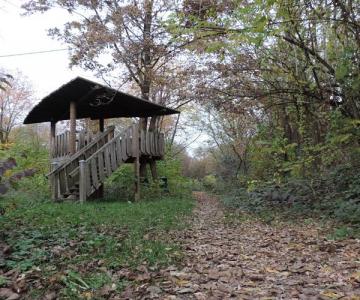
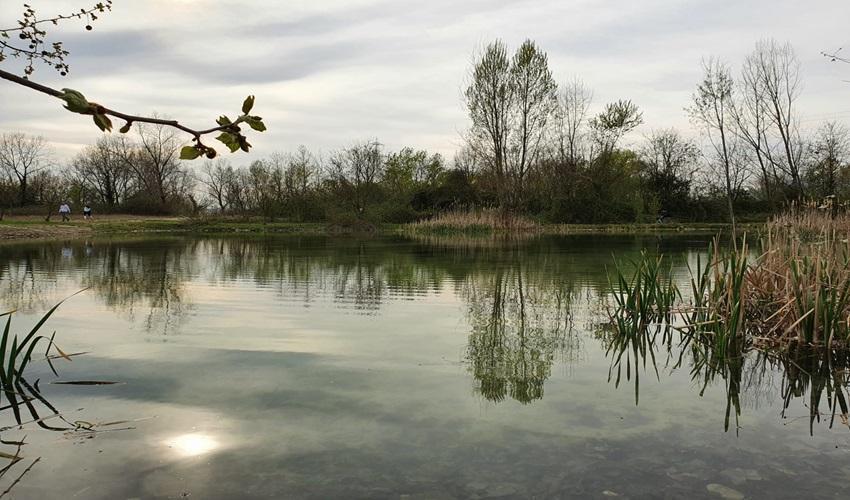
Regarding the ecosystem, the area sees the presence of numerous habitats, thanks to the proximity to the floodplain areas and relevant to the river dynamics of arid grasslands and agroecosystems in closed fields. The action of the Brenta river and the cyclical nature of flood events determine the formation of different riparian habitats, characterized by a structure and a cortege of species that change away from the river shaft towards the contermine plain. The herbaceous plant communities of greto are followed by shrub communities with willow ripaiolo (Salix eleagnos Scop.) and alluvial forests dominated by black poplar (Populus nigra L.) and white willow (Salix alba L.). On the alluvial mattress, in raised portion, are observed, often in interpenetration with the more stable riparian habitats, portions characterized by the presence of arid prairies. These are the westernmost fringe of the Eurasian steppe prairies and represent a habitat of great conservation value, mainly due to the high richness of species that distinguish them.
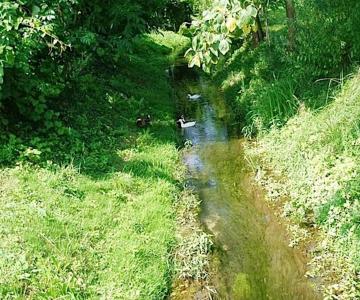
To increase the value of the area is, moreover, the presence of agro-ecosystems containing river habitats, characterized by a closed field structure. This structure, which derives from a land management that sinks its cultural roots in the Middle Ages, sees the alternation of meadows from mowing surrounded by interpoderal hedges, irrigation channels and wetlands; an agricultural structure that originally made it possible to derive multiple types of resources and that today effectively contributes to the conservation of the biodiversity of agroecosystems, one of the most threatened biodiversity at European level.